English
 Arabic
 French
 Spanish
 Portuguese
 Deutsch
 Turkish
 Dutch
Dutch
 Italiano
 Russian
 Romaian
 Portuguese (Brazil)
 Greek
Greek

Decking Auckland | Durable, Stylish & Affordable
Gardening |
2026-02-16 07:38:26
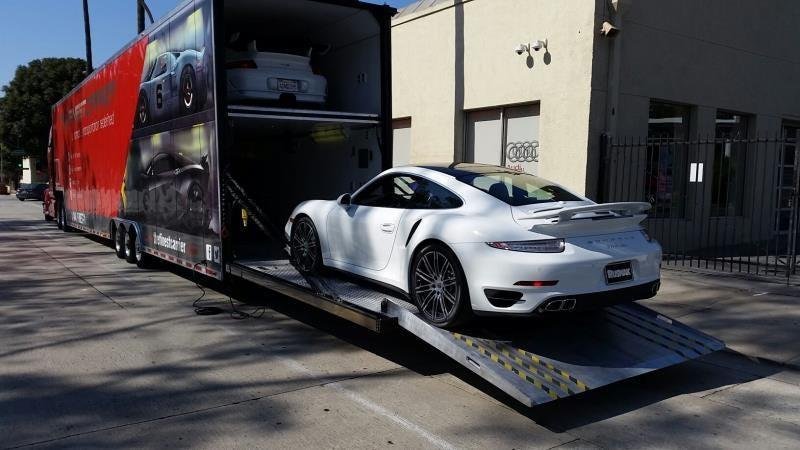
In recent years, the transportation and logistics industry has witnessed a significant transformation in how vehicles are picked up, transported, and delivered — driven largely by evolving customer expectations, technological advancements, and a global push for safer, more efficient services. One of the most notable innovations in this space is the emergence of contactless car shipping a no‑contact vehicle pickup and delivery model designed to minimize physical interaction between service providers and customers. This shift not only reflects changing consumer behavior but also represents a broader trend toward streamlined, digitally driven processes in the auto transport industry.
No‑contact vehicle pickup and delivery services represent a logistical evolution that enables customers to have their vehicles transported without direct physical interaction with drivers or service personnel. Instead of traditional methods — where drivers meet customers to inspect vehicles, exchange keys, and finalize documentation in person — contactless services rely on digital communication, pre‑pickup vehicle inspections via photos or videos, secure key drop boxes, and electronic signatures to complete transactions.
The rapid adoption of this model stems from a confluence of factors including heightened health and safety awareness, technological access, and the rising demand for convenience. As customers become more comfortable with remote interactions in sectors like food delivery, e‑commerce, and ride‑hailing, the transition to contactless car transport services has been increasingly seamless.
Historically, auto transport involved face‑to‑face exchanges, paper‑based documentation, and manual vehicle inspections. While this method was standard practice for decades, it exposed customers and drivers to challenges such as scheduling conflicts, delays, miscommunication, and unnecessary exposure to health risks — concerns that became especially pronounced during the COVID‑19 pandemic.
Traditional pickup and delivery often required customers to be present at specific times, which could be inconvenient for individuals with busy schedules or those living in remote areas. Additionally, in‑person interactions introduced risks of virus transmission and added complexity during periods of strict social distancing protocols. These challenges highlighted the need for a safer, more flexible alternative.
No‑contact vehicle pickup and delivery services typically include several defining elements that differentiate them from traditional auto transport:
Customers coordinate pickup and delivery details via phone, email, or online portals. Automated updates and text notifications eliminate the need for in‑person meetings and allow both parties to stay informed about the status of the transport.
Instead of inspecting vehicles in person, drivers perform pre‑pickup and post‑delivery inspections using detailed photographs or videos. These visual records serve as documentation to confirm the vehicle’s condition, helping prevent disputes or misunderstandings.
Many services provide lockboxes, drop points, or secure instructions for customers to leave keys and paperwork. Drivers access these credentials without direct contact, enabling the transport to proceed efficiently.
Paperwork is digitized so contracts, invoices, and confirmation forms can be completed electronically. This reduces processing time and ensures clear records are maintained without exchanging physical documents.
Customers can monitor their vehicle’s location throughout the transit process via GPS tracking systems. This transparency enhances confidence and allows customers to plan for receipt without waiting onsite.
Several factors contribute to the increasing popularity and adoption of no‑contact vehicle pickup and delivery services:
The pandemic accelerated consumer demand for contactless solutions across industries. Even as immediate health concerns have lessened, the convenience and perceived safety of minimal contact options have continued to attract customers.
Widespread smartphone use, high‑speed internet access, and intuitive mobile apps have empowered customers to manage complex tasks — including vehicle transport — remotely. Technology removes barriers to interaction and provides clear, real‑time communication channels.
Modern consumers prioritize speed and convenience. Being able to schedule a vehicle pickup or drop‑off without rearranging work schedules, taking time off, or meeting at a specific location aligns with contemporary expectations for streamlined services.
As industries like banking, healthcare, and retail shifted toward digital solutions, public trust in remote procedures has grown. Customers are increasingly comfortable completing transactions without face‑to‑face interactions, especially when secure systems and clear processes are in place.
For carriers and logistics companies, contactless services reduce overhead costs related to travel time, scheduling conflicts, and lengthy in‑person exchanges. Virtual inspections and electronic documentation speed up operations and allow drivers to serve more customers efficiently.
No‑contact vehicle services offer several key advantages:
Remote interactions lower health risks and reduce unnecessary social contact. For individuals with health concerns or those residing in higher‑risk households, minimizing contact is a welcomed benefit.
Customers can request pickups and deliveries at times that suit their availability, without the pressure of coordinating precise meeting windows with drivers. This is particularly helpful for busy professionals or travelers.
Digital scheduling and real‑time communication streamline the transport process, often leading to quicker pickup and delivery windows. Customers no longer need to wait at a location for a driver to arrive.
Remote tracking, virtual inspections, and electronic documentation provide clear records and transparency throughout the process. Drivers and customers have documented evidence of the vehicle’s condition at each stage, reducing disputes or misunderstandings.
For customers living in rural or hard‑to‑reach locations, contactless pickup and delivery means they can arrange transportation without needing to travel to a central hub or meet a driver in person.
Despite its many advantages, no‑contact vehicle pickup and delivery services also face challenges:
While photos and videos are valuable tools, they may not always capture subtle details that an in‑person inspection would. Service providers must establish clear guidelines to ensure visual documentation is thorough and accurate.
Some consumers may initially hesitate to adopt contactless methods due to unfamiliarity or distrust of remote procedures. Effective communication, transparent policies, and strong customer support are essential to building trust.
Not all customers have equal access to high‑quality smartphones, reliable internet, or the technical literacy required to complete virtual inspections. Service providers must offer alternatives or support for users who face technological barriers.
As with any digital service, cybersecurity is a concern. Platforms must protect customer data, ensure secure electronic signatures, and safeguard against unauthorized access to delivery details or personal information.
Technology is at the heart of no‑contact vehicle pickup and delivery, enabling seamless interactions and empowering service providers to scale operations. Key technological enablers include:
User‑friendly mobile applications allow customers to schedule services, upload vehicle photos, and review documentation. Integrated messaging systems and push notifications keep customers informed at every step.
Advanced GPS systems provide accurate updates on a vehicle’s location and estimated arrival time. Customers can track progress in real time without needing to contact the carrier.
Digital storage of inspection photos, contracts, and delivery confirmations ensures secure maintenance of records. Cloud platforms allow both customers and service providers to access files instantly when needed.
SMS alerts, email confirmations, and automated reminders reduce phone calls and manual check‑ins. These tools enhance transparency while reducing the workload on support staff.
Auto transport companies and logistics providers have responded to customer demand by adapting existing services or launching dedicated no‑contact options. Many large carriers now advertise contactless pickup and delivery as a standard service offering, integrating digital solutions into their core operations.
Smaller independent operators have also embraced the model, using digital platforms to differentiate themselves and appeal to tech‑savvy customers. Partnerships with third‑party apps, improved online booking systems, and streamlined customer service channels have collectively boosted the industry’s ability to serve clients remotely.
The rise of no‑contact vehicle pickup and delivery services is more than a temporary trend — it represents a lasting shift in how logistics and transport operate. As technology continues to improve, these services are likely to become even more efficient, reliable, and accessible.
Looking ahead, several developments could further shape the landscape:
While fully autonomous vehicle transport is still emerging, early integration of semi‑autonomous and automated systems could reduce labor costs and improve delivery precision, enhancing contactless models.
Artificial intelligence and machine learning could optimize transport routes in real time, reducing delivery windows, fuel consumption, and operational costs. These efficiencies would make no‑contact services more affordable and attractive to a wider audience.
As consumer confidence grows, no‑contact services could expand into adjacent areas such as auction transport, corporate fleet management, and long‑distance sales delivery — extending the reach of contactless logistics.
The rise of no‑contact vehicle pickup and delivery services reflects a broader evolution in logistics, driven by technological innovation, shifting consumer preferences, and an unwavering desire for convenience and safety. By eliminating the need for in‑person interactions, these services provide greater flexibility, enhanced transparency, and an overall more efficient experience for both customers and carriers.
As the industry continues to embrace digital tools and refine contactless processes, vehicle transport is poised to become faster, more accessible, and more aligned with modern expectations. No‑contact delivery is not just a response to temporary circumstances — it is a lasting transformation that redefines how vehicles are shipped and received across the globe.