 English
 Arabic
 French
 Spanish
 Portuguese
 Deutsch
 Turkish
 Dutch
Dutch
 Italiano
 Russian
 Romaian
 Portuguese (Brazil)
 Greek
Greek

Rosemary Hair Oil Online in Pakistan – 100ml by RosemaryEssence can be a transformative step in your hair care routine.
Health |
2026-02-17 10:32:04
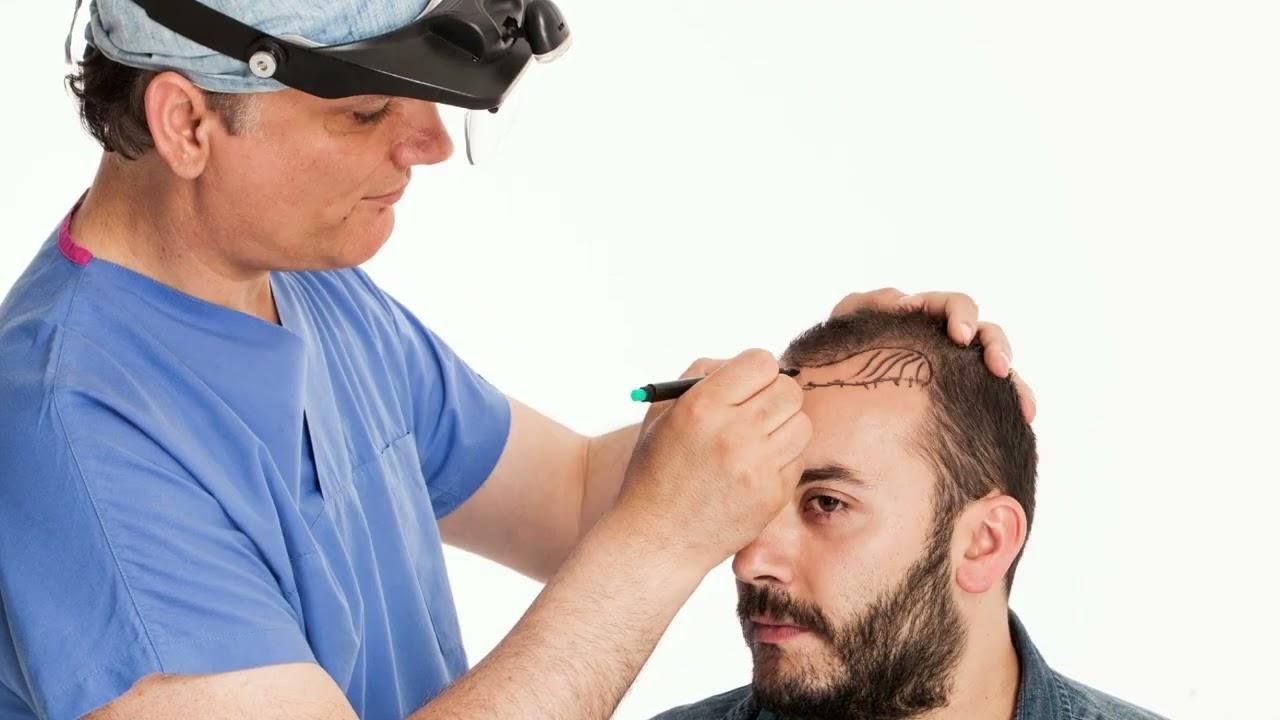
Choosing the right hair restoration method is a pivotal decision for anyone considering a Hair transplant in Riyadh(زراعة الشعر في الرياض), as the city’s unique environmental factors can significantly influence the healing process and final results. While Follicular Unit Extraction (FUE) has long been the industry standard for its efficiency in treating large areas of hair loss, Direct Hair Implantation (DHI) has emerged as a high-precision alternative that offers distinct advantages for those seeking maximum density. In the Saudi capital, where professional and social expectations often favor a discreet, high-impact aesthetic, the choice between FUE and DHI often comes down to the extent of your thinning, your budget, and how quickly you need to return to your daily routine. By understanding the mechanical differences and how they interact with your scalp's anatomy, patients in Riyadh can make an informed choice that balances modern technology with long-term satisfaction.
Both techniques fall under the umbrella of modern hair restoration, meaning they involve the extraction of individual follicles rather than a strip of skin. However, the way those follicles are placed back into the scalp is what sets them apart.
In a standard Follicular Unit Extraction (FUE), the procedure is a three-step process: extraction, channel creation, and implantation. The surgeon first harvests follicles from the donor area, then manually creates tiny "channels" or slits in the balding area using a micro-blade. Finally, the grafts are placed into these slits.
Best for Large Areas: FUE is highly efficient for patients needing broad coverage, such as a receding crown or extensive vertex thinning.
Cost-Effective: Because the procedure is typically faster for high graft counts, it is often more affordable than newer modifications.
Direct Hair Implantation (DHI) is often described as a more advanced evolution of FUE. The key difference lies in the use of a specialized tool called the Choi Implanter Pen. This tool allows the surgeon to combine the "channel creation" and "implantation" steps into one single motion.
Higher Density: The precision of the Choi pen allows for grafts to be placed closer together, often achieving a higher density of hairs per square centimeter compared to traditional FUE.
Minimal Handling: Because the follicles are loaded into the pen and immediately implanted, they spend less time outside the body, which can lead to higher graft survival rates.
The environmental conditions of Riyadh—characterized by extreme dry heat and a high UV index—play a subtle but important role in which technique might be "best" for a local patient.
DHI is frequently the preferred choice for Riyadh’s busy workforce because it is generally less invasive.
Reduced Trauma: Since no manual incisions are made before implantation, there is less bleeding and scabbing.
Shortened Downtime: Most DHI patients in the capital find they can return to work within 2 to 3 days, whereas FUE may require a full week for the initial scabbing to subside.
A significant cultural preference in Riyadh is the desire for discretion. DHI often allows for a "No-Shave" transplant, where only the donor area is trimmed, and the recipient area remains untouched. This is ideal for professionals who wish to keep their procedure private, as the long existing hair can camouflage the newly transplanted follicles during the early healing phase.
| Feature | FUE (Follicular Unit Extraction) | DHI (Direct Hair Implantation) |
| Ideal For | Extensive baldness (3,000+ grafts) | Frontal hairline, temples, & high density |
| Implantation Method | Pre-made incisions (manual slits) | Direct implantation (Choi Pen) |
| Graft Survival | High (approx. 90-94%) | Potentially higher due to rapid placement |
| Recovery Time | 7–10 days | 3–5 days |
| Shaving Required? | Usually a full scalp shave | Often possible without shaving recipient area |
| Relative Cost | Lower (More budget-friendly) | Premium (Higher due to time and tools) |
While DHI offers a "premium" experience with faster healing and higher precision, it typically carries a higher price tag in Riyadh due to the specialized equipment and the increased time the surgeon must spend on each individual graft.
Choose FUE if: You have advanced hair loss, require a high number of grafts to cover the crown and front, and are looking for the most cost-effective permanent solution.
Choose DHI if: You are in the early stages of thinning, want to refine your frontal hairline with maximum density, or require a procedure that allows you to return to social life almost immediately without a full head shave.
Whether you opt for the efficiency of FUE or the surgical precision of DHI, a successful Hair transplant in Riyadh is within reach. By consulting with a specialist who understands both the technical nuances of these methods and the specific needs of patients in the Saudi climate, you can choose the technique that best aligns with your aesthetic goals. Ultimately, the "best" technique is the one that provides you with a natural, lasting result that restores your confidence for years to come.


