


Recliner Chair Market analyzing challenges and barriers affecting adoption and growth in residential and commercial furniture segments
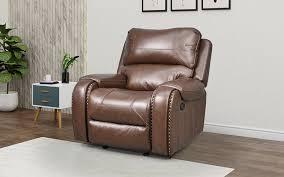
The Recliner Chair Market faces numerous challenges and barriers that influence adoption and overall growth. Factors such as high costs, space constraints, maintenance requirements, and accessibility issues restrict market penetration in both residential and commercial segments. Additionally, competition, changing consumer expectations, and sustainability concerns pose further obstacles. Understanding these barriers is critical for manufacturers and stakeholders to develop strategies that improve accessibility, enhance product appeal, and support sustainable expansion in diverse global markets.
High Cost and Affordability Constraints
Premium recliners featuring advanced ergonomics, technology, and luxury materials often come with elevated price points. While these models cater to niche markets, high costs can deter wider adoption. Budget-conscious consumers may opt for simpler seating options, limiting the market potential. Manufacturers must balance premium features with affordability to reach broader segments and increase overall market penetration.
Space Limitations in Urban Areas
Urbanization and smaller living spaces present significant barriers to recliner adoption. Traditional recliners require sufficient room for full reclining functionality, which is often unavailable in compact apartments. Though space-efficient designs and multifunctional recliners are emerging, limited availability and higher prices continue to restrict adoption among urban consumers. Addressing space constraints is essential for expanding market reach in densely populated regions.
Maintenance and Durability Concerns
Maintenance requirements and perceived durability issues are barriers for both residential and commercial buyers. Recliners with mechanical systems, electronic features, or complex upholstery may require regular upkeep. In commercial environments with high usage, durability concerns further impact purchasing decisions. Ensuring long-lasting, easy-to-maintain products is crucial for overcoming these barriers and enhancing consumer confidence.
Accessibility and Usability Challenges
Accessibility issues affect adoption, particularly among elderly and physically challenged users. Complex mechanisms or heavy structures can limit usability. Despite ergonomic benefits, some consumers may find operation difficult. Manufacturers focusing on simplified controls, automated adjustments, and inclusive design can mitigate accessibility barriers and increase adoption among diverse consumer groups.
Limited Awareness and Market Education
Lack of consumer awareness about the health, ergonomic, and comfort benefits of recliners restricts market growth. In emerging markets, recliners are often perceived as luxury furniture rather than essential seating solutions. Effective marketing, education, and product demonstrations can increase understanding, encouraging broader adoption across various income levels.
Sustainability-Related Barriers
Sustainability considerations can create challenges in material selection and production. Consumers are increasingly seeking eco-friendly options, and brands failing to comply with environmental standards may face resistance. Integrating sustainable practices while maintaining quality and affordability is essential to overcome these barriers and appeal to environmentally conscious buyers.
Competition and Market Saturation
Intense competition in the global recliner market poses additional barriers. Numerous manufacturers offer similar products, leading to price wars and reduced differentiation. New entrants and online retailers further increase competition. Companies must innovate in design, comfort, and technology to stand out and maintain a competitive edge.
Regional and Cultural Factors
Regional variations influence adoption barriers. In North America and Europe, premium features and ergonomics drive demand, while Asia-Pacific and Latin America emphasize affordability and compact designs. Cultural preferences, space constraints, and income levels create barriers that require region-specific strategies to overcome and ensure effective market penetration.
Strategic Approaches to Overcome Barriers
Overcoming adoption barriers requires a combination of product innovation, affordability, education, and accessibility. Manufacturers should develop space-efficient, durable, and ergonomically advanced recliners while highlighting health and wellness benefits. Sustainability, customization, and technology integration further enhance market appeal, supporting long-term growth across diverse regions.

 English
 Arabic
 French
 Spanish
 Portuguese
 Deutsch
 Dutch
Dutch
 Italiano
 Russian
 Romaian
 Portuguese (Brazil)
 Greek
Greek