English
 Arabic
 French
 Spanish
 Portuguese
 Deutsch
 Turkish
 Dutch
Dutch
 Italiano
 Russian
 Romaian
 Portuguese (Brazil)
 Greek
Greek

Moisturizers That Provide All-Day Hydration and Protect Your Skin Barrier
Other |
2026-01-31 12:12:48
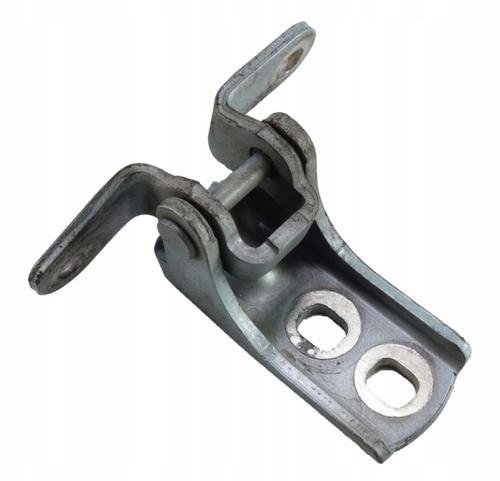
The Automotive Door Hinges Market represents a foundational segment of the vehicle components industry, providing essential mechanical systems that ensure door functionality, safety, and structural stability. Although often overlooked compared to advanced electronics or powertrain technologies, door hinges are critical to everyday vehicle usability and long-term durability. Market insights reveal that this sector is evolving rapidly in response to changing vehicle architectures, stricter safety standards, electrification trends, and heightened consumer expectations for quality and reliability.
One of the most significant insights is the growing complexity of vehicle doors themselves. Modern automotive doors are no longer simple metal panels but integrated modules containing safety reinforcements, electronic systems, sound insulation, and comfort features. Side-impact beams, airbags, power windows, speakers, sensors, and wiring harnesses all contribute to increased door weight. This shift requires hinges capable of supporting higher loads while maintaining smooth operation and precise alignment over many years of use. Manufacturers are therefore prioritizing high-strength materials and optimized designs that prevent sagging or misalignment.
Another key insight is the strong influence of safety regulations on hinge development. Door hinges must ensure that doors remain attached during collisions while allowing controlled deformation to absorb impact energy. In rollover situations, hinges play a role in maintaining cabin integrity. Regulatory requirements vary across regions but generally push manufacturers toward stronger, more durable designs. Extensive testing, including fatigue, corrosion, and crash simulations, is necessary to validate performance under extreme conditions.
Material selection has become a central focus area. Traditional stamped steel hinges remain widely used due to their affordability and mechanical strength. However, the push for vehicle lightweighting has led to increased adoption of advanced high-strength steels, aluminum alloys, and hybrid constructions. These materials reduce mass without compromising performance, contributing to improved fuel efficiency and extended electric vehicle range. The challenge lies in balancing cost, manufacturability, and durability while meeting stringent quality standards.
Corrosion resistance continues to be a major concern because hinges operate in exposed locations where moisture, dirt, and chemicals accumulate. Insights from field performance data show that corrosion-related failures can lead to stiffness, noise, and eventual loss of functionality. To address this, manufacturers are implementing advanced coating technologies such as electroplating, galvanization, and multi-layer protective finishes. Long-term durability testing is critical to ensure consistent performance in diverse climates.
Precision manufacturing is another defining aspect of the market. Door alignment directly affects vehicle aesthetics, aerodynamic efficiency, weather sealing, and noise levels. Even minor deviations can result in wind noise, water leaks, or uneven panel gaps. Automated production lines equipped with robotic assembly and digital quality control systems help maintain tight tolerances across high-volume manufacturing. Suppliers that can deliver consistent precision are highly valued by automakers seeking to uphold brand reputation.
The rise of electric vehicles provides important market insights. EV platforms often feature heavier battery packs located in the floor, which influences structural design and weight distribution. Doors may require additional reinforcement to maintain body rigidity, placing greater demands on hinge strength. Furthermore, the quiet operation of electric drivetrains makes mechanical noises more noticeable, intensifying the need for low-friction, noise-free hinge systems. As EV adoption accelerates, demand for specialized hinge solutions is expected to grow.
Consumer expectations for quality and comfort are also shaping product development. Drivers and passengers increasingly associate the sound and feel of a closing door with overall vehicle craftsmanship. Smooth motion, consistent resistance, and a solid closing sound contribute to perceived premium quality. Hinges must therefore deliver precise movement and maintain performance over thousands of opening and closing cycles. Wear-resistant bushings, lubrication systems, and optimized geometries are essential to achieving this consistency.
Innovative door designs present both opportunities and challenges. Frameless doors, sliding doors, rear-hinged configurations, and wide-opening systems enhance accessibility and styling but require customized hinge solutions. These designs often involve unique motion paths and load distributions that cannot be accommodated by standard components. Manufacturers must invest in research and development to create tailored products while managing costs and production complexity.
Supply chain dynamics also influence the market. Automotive door hinges are produced in large volumes but typically at low margins, making efficiency crucial. Fluctuations in raw material prices, particularly for steel and aluminum, can significantly affect profitability. Suppliers are increasingly adopting lean manufacturing practices, automation, and strategic sourcing to control costs while maintaining quality.
The aftermarket segment provides additional insights into long-term demand. As vehicles age, hinges may wear due to repeated use, corrosion, or mechanical stress. Replacement parts are required to restore proper door function, particularly in regions where vehicles remain in service for extended periods. Durable, easy-to-install aftermarket products are in high demand among repair shops and individual vehicle owners.
Sustainability considerations are gaining prominence across the automotive sector, influencing hinge manufacturing as well. Companies are exploring recyclable materials, environmentally friendly coatings, and energy-efficient production methods. Lightweight designs not only reduce material consumption but also contribute to lower vehicle emissions over the product lifecycle.
Another important insight is the role of globalization. Automotive production is distributed across multiple regions, creating opportunities for local suppliers to participate in global supply chains. Partnerships between original equipment manufacturers and regional component producers enable cost-effective manufacturing while meeting local regulatory requirements. However, maintaining consistent quality across different facilities remains a challenge.
Finally, technological integration is gradually expanding. Some vehicles incorporate sensors that detect door position, support advanced driver assistance systems, or enable automated opening functions. Hinges must accommodate these technologies without compromising mechanical reliability. This convergence of mechanical and electronic systems is expected to increase as vehicles become more connected and autonomous.
In conclusion, the Automotive Door Hinges Market is shaped by a complex interplay of engineering demands, regulatory pressures, material innovations, and evolving consumer expectations. Insights from across the industry highlight the growing importance of strength, precision, corrosion resistance, and compatibility with advanced vehicle designs. Despite their modest size, door hinges play a crucial role in safety, durability, and user experience. As automotive technology continues to advance, the need for high-performance hinge systems will remain strong, making this market a vital component of the future mobility ecosystem.