


Automated Guided Vehicle (AGV) Market Hindrances Affecting Industrial Automation and Market Expansion Worldwide
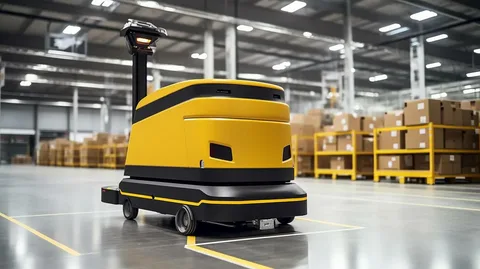
The automated guided vehicle (AGV) market has emerged as a vital part of industrial automation by enabling efficient material handling, reducing manual labor, and improving operational productivity. Industries such as manufacturing, warehousing, healthcare, retail, and logistics increasingly rely on AGVs to streamline transportation processes and strengthen supply chain performance. Despite these advantages, several obstacles continue to slow market growth and influence adoption decisions. Financial limitations, technical complexities, workforce challenges, and infrastructure constraints remain key concerns for businesses considering AGV implementation.
Automated guided vehicle (agv) market hindrances involve both technological and organizational challenges that impact deployment timelines, return on investment, and long-term operational efficiency. Addressing these issues is essential for manufacturers, solution providers, and end users aiming to maximize the benefits of automation while minimizing implementation risks.
High Capital Investment
One of the most significant hindrances affecting AGV adoption is the substantial upfront investment required for deployment.
Implementation costs typically include:
- AGV equipment
- Navigation technology
- Fleet management software
- Charging stations
- Installation services
- Facility upgrades
- Employee training
- System integration
Although AGVs often deliver long-term operational savings, the initial financial commitment may discourage investment, particularly among small and medium-sized businesses.
Integration Challenges
Integrating AGVs into existing industrial operations can be complex, especially in facilities using legacy systems.
Successful deployment often requires compatibility with:
- Warehouse Management Systems
- Enterprise Resource Planning software
- Manufacturing Execution Systems
- Automated storage systems
- Production equipment
- Existing logistics processes
Poor integration planning can result in workflow disruptions, increased costs, and delayed implementation.
Infrastructure Limitations
Many facilities require infrastructure improvements before AGVs can operate efficiently.
Common modifications include:
- Floor repairs
- Navigation pathways
- Charging infrastructure
- Wireless communication networks
- Safety barriers
- Facility layout optimization
These upgrades increase project costs and extend deployment schedules, making implementation more challenging for older industrial sites.
Shortage of Skilled Professionals
Operating and maintaining AGV systems requires specialized technical expertise.
Organizations often need professionals experienced in:
- Robotics
- Industrial automation
- Artificial intelligence
- Software management
- Electrical engineering
- Network administration
The shortage of skilled personnel may slow deployment while increasing dependence on external technical support.
Cybersecurity Concerns
As AGVs become increasingly connected through cloud platforms and industrial networks, cybersecurity has become a major operational concern.
Potential security risks include:
- Unauthorized access
- Data breaches
- Malware attacks
- Network disruptions
- Communication failures
- Software vulnerabilities
Businesses must implement comprehensive cybersecurity measures to protect operational systems and sensitive industrial information.
Rapid Technology Evolution
The AGV industry is evolving quickly, with continuous improvements in software, navigation systems, and artificial intelligence.
While innovation benefits the market, rapid technological change may create uncertainty regarding:
- Equipment lifespan
- Software compatibility
- Upgrade requirements
- Future standards
- Return on investment
Some organizations delay purchasing decisions while waiting for next-generation technologies.
Ongoing Maintenance Requirements
Although AGVs reduce manual labor costs, they require regular maintenance to ensure reliable performance.
Maintenance activities include:
- Battery replacement
- Software updates
- Sensor calibration
- Spare parts replacement
- Preventive inspections
- Fleet optimization
Without proper maintenance, equipment performance may decline, resulting in operational interruptions and increased expenses.
Battery Performance Constraints
Battery technology has improved significantly, but it continues to present operational challenges.
Common limitations include:
- Charging time
- Limited operating hours
- Battery degradation
- Temperature sensitivity
- Charging infrastructure requirements
Organizations must carefully manage charging schedules to maintain continuous operations.
Workforce Adaptation Challenges
Introducing automation often requires significant organizational change.
Employees may express concerns regarding:
- Job security
- New responsibilities
- Technology adoption
- Skill development
- Operational adjustments
Successful AGV implementation depends on effective communication, employee training, and workforce engagement throughout the transition process.
Navigation in Dynamic Environments
Although navigation systems continue advancing, certain industrial environments remain challenging.
Operational obstacles include:
- Frequent layout changes
- Heavy pedestrian traffic
- Temporary obstructions
- Mixed vehicle operations
- Congested transportation routes
These conditions require advanced navigation technologies and ongoing software optimization to maintain efficient operations.
Supply Chain Disruptions
Global supply chain instability continues affecting AGV manufacturing and delivery.
Challenges may include:
- Semiconductor shortages
- Electronic component delays
- Raw material price fluctuations
- Transportation bottlenecks
- Extended production lead times
Supply chain disruptions increase manufacturing costs while delaying customer installations.
Regulatory Compliance
Manufacturers and customers must comply with evolving safety regulations and industrial standards.
Compliance requirements often involve:
- Workplace safety
- Equipment certification
- Functional safety standards
- Electrical compliance
- Data protection
- Operational documentation
Meeting these standards requires additional investment in testing, certification, and quality assurance.
Competition from Alternative Technologies
The AGV market competes with other automation technologies that address similar material handling requirements.
Alternative solutions include:
- Autonomous mobile robots
- Conveyor systems
- Automated storage systems
- Robotic arms
- Traditional material handling equipment
Organizations compare these technologies based on operational requirements, flexibility, and overall investment value before making purchasing decisions.
Economic and Market Uncertainty
Broader economic conditions also influence AGV adoption.
Factors such as:
- Inflation
- Rising financing costs
- Industrial investment slowdowns
- Currency fluctuations
- Global economic uncertainty
can delay automation investments as businesses prioritize short-term financial stability over capital-intensive modernization projects.
Future Outlook
Despite these hindrances, the automated guided vehicle (AGV) market continues to present strong long-term growth potential. Ongoing advancements in artificial intelligence, navigation systems, battery technology, cloud computing, and software integration are expected to reduce many current implementation challenges. Falling technology costs, improved interoperability, enhanced cybersecurity measures, and greater workforce familiarity with automation will further support broader AGV adoption.
Manufacturers that focus on simplified deployment, flexible integration, customer training, reliable technical support, and continuous innovation will be better positioned to overcome these market hindrances. As industries continue investing in smart manufacturing, warehouse automation, and intelligent logistics, AGVs will remain a critical solution for improving efficiency, safety, and operational resilience across global industrial environments.

 English
 French
 Spanish
 Portuguese
 Deutsch
 Turkish
 Dutch
Dutch
 Italiano
 Russian
 Romaian
 Portuguese (Brazil)
 Greek
Greek