


How to Trim Lawn Like a Pro: The Tailored Estate Look
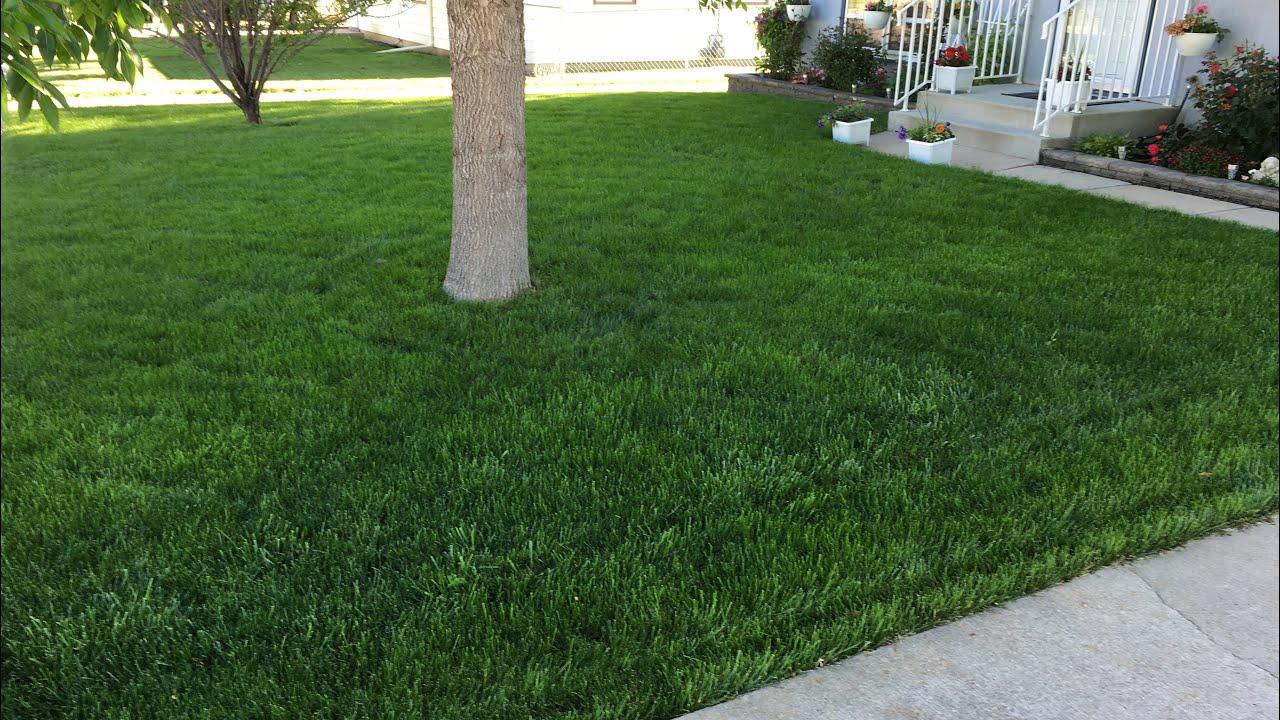
Most homeowners treat lawn trimming as a chore they rush through just to get back to the patio. They swing a string trimmer around like a weed-whacker on caffeine. The result? Scalped edges, shredded grass blades, and a lawn that looks like it had a bad haircut at a discount barber. If you own a luxury property in British Columbia or a sprawling estate in Ontario, good enough is a recipe for property value decline.
I’ve spent years analyzing turf health across Canada. I’ve seen how the harsh transitions from frozen winters to humid summers stress our grass. Trimming isn't just about aesthetics; it’s about botanical precision. Done right, it reinforces the health of your turf. Done wrong, it invites crabgrass and fungal rot.
Why Trimming is the Secret Sauce of Luxury Landscaping
Mowing does the heavy lifting, but trimming provides the definition. Think of your lawn like a high-end suit. Mowing is the fabric; trimming is the tailoring. Without clean lines along your walkways and flower beds, the most expensive lawn looks unkempt.
In the Canadian market, the goal is a seamless transition between hardscaping and greenery. When you master how to trim lawn edges, you aren't just cutting grass. You are creating a frame for your home. This level of detail is exactly why many homeowners opt for professional lawn trimming and edging services to ensure the job is done with surgical precision rather than haphazard guesswork.
The Essential Toolkit: Don't Bring a Knife to a Gunfight
Stop buying the cheapest trimmer at the big-box hardware store. For a professional finish, you need equipment that handles the specific density of Canadian turf like Kentucky Bluegrass or Fine Fescue.
A straight-shaft string trimmer is the industry standard for large properties or reaching under low-hanging decks because it offers better reach and more torque. If you are dealing with precision bed edges, a manual half-moon edger is your best friend. It creates a deep, physical trench that stops grass creep in its tracks. For those managing noise-sensitive areas or high-end residential spots, modern electric trimmers provide high torque without the vibration or gas smell. Finally, if you have long driveways, a dedicated power edger is the only way to ensure a perfectly straight, vertical cut into the soil.
The One-Third Rule: The Law You Cannot Break
If you ignore everything else, remember this: Never remove more than one-third of the grass blade height in a single session. This isn't just a suggestion; it’s a biological necessity.
When you scalp the edges, meaning you cut them shorter than the rest of the lawn, you expose the soil to direct sunlight. In Canadian summers, this fries the delicate root systems. It also creates a dead zone where opportunistic weeds like dandelions thrive. If your lawn is 3 inches high, your trimmed edges must also be 3 inches high. Period. Keeping this consistency is a hallmark of comprehensive lawn care services that prioritize plant health over speed.
Step-by-Step: How to Trim Lawn Edges Like a Veteran
1. The Pre-Trim Scan
Before you even pull the starter cord, walk your perimeter. In Canada, we deal with winter heave, stones and debris pushed to the surface by the freeze-thaw cycle. A string trimmer hitting a pebble at 7,000 RPM turns that pebble into a bullet. Protect your windows and your shins.
2. Finding Your Stance
Hold the trimmer so the head is parallel to the ground. Keep your back straight. Most novices bend at the waist, leading to an uneven wavy cut. Move your entire body as one unit, like a pendulum.
3. The Vertical Edge (Edging)
To get that crisp line against a sidewalk, turn your string trimmer vertically. The string should spin into the gap between the concrete and the grass. This creates a tiny trench. It’s satisfying to watch, but don't go too deep. You want a clean separation, not a moat.
4. The Horizontal Blend
Once the edges are vertical, flip the trimmer back to horizontal. This is where you blend the height of the edge with the height your mower will hit. Consistency is king here. If your mower is set to 3.5 inches, your trim must match.
5. Tapering Against Obstacles
When trimming against a fence or a tree, don't just hack away. Taper the grass slightly. Angle the trimmer head toward the object so the grass is a fraction taller against the fence than it is in the open lawn. This hides the rim effect that often happens when the mower can't get close enough.
Seasonal Tactics for the Great White North
Our climate dictates our schedule. You can't use a Florida lawn care manual in Calgary or Toronto.
Spring: The Awakening
Your first trim of the year should happen after the big thaw. Wait until the soil is no longer squishy. Trimming wet, muddy edges compacts the soil and kills the grass before the season even starts. Look for signs of snow mold and avoid those areas until they dry out completely.
Summer: The Survival Mode
When the July heat hits, your lawn goes into survival mode. Raise your trimming height. Longer grass blades shade the soil, keeping it cool. If you trim too short during a heatwave, you’ll end up with brown, crispy edges by August.
Fall: The Final Prep
As growth slows down in October, you can bring the height down slightly to prevent matting under the snow. However, don't go lower than 2 inches. You need enough leaf surface to store energy for the winter.
Common Myths That Are Killing Your Curb Appeal
Many believe the shorter you cut, the better. In reality, short grass has shallow roots, and shallow roots die in Canadian winters. Keep it high to keep it healthy. Another misconception is that you don't need to maintain trimmer blades. While string trimmers use lines, power edger blades must stay sharp. A dull blade tears the grass, leaving white, frayed tips that turn brown within 24 hours. Finally, remember that trimming isn't just for grass; you should also be trimming around your hardscaping to prevent roots from cracking your stone work.
If you're unsure which professional approach fits your property, you might want to learn how to choose the right lawn mowing service in British Columbia to ensure your specific turf needs are met by experts who understand the local ecosystem.
Pro Tips for Enterprise and Luxury Estates
If you are managing a 2-acre estate or a corporate campus, efficiency is your best friend. Define your paths using physical barriers like steel edging or stone to create permanent borders. This reduces the amount of precision string work needed every week. Additionally, mulch your clippings rather than bagging them. Those tiny bits of grass are essentially free fertilizer, returning nitrogen to the soil as they decompose. To save time, always trim your edges before you mow. The mower will then pick up or mulch the long stalks you’ve knocked down.
Troubleshooting Common Trimming Issues
If you see brown tips on your grass, it is usually caused by a dull string or blade. Replace your trimmer line frequently and use a thicker gauge. Scalping, or seeing dirt through the grass, happens when the trimmer head is tilted too far. Keep the head level and use a support strap for better control. If you find grass growing over your walkways, it’s a sign of poor vertical edging; use a manual edger once a month to reset that boundary.
Frequently Asked Questions
How often should I trim my lawn in Canada?
During the peak growing season (May-June), you should trim every time you mow, usually once a week. In the slower summer months, you can skip every other session, provided the edges haven't become overgrown.
Should I trim when the grass is wet?
Never. Wet grass is heavy and leans over. When it dries and stands back up, your trim line will be jagged and uneven. Plus, it’s a safety hazard on sloped Canadian properties.
How do I stop the trimmer line from constantly breaking?
Heat and age make trimmer lines brittle. Pro tip: soak your spool of line in a bucket of water for 24 hours before use. It restores the plastic's flexibility and makes it last twice as long.
The Verdict: Precision Over Speed
Lawn care isn't a race. It’s a craft. If you want your property to stand out, you have to sweat the details. High-end curb appeal is earned in the inches between the sidewalk and the turf.
If this sounds like more work than you want to tackle on your Saturday morning, or if your luxury property needs a level of precision that only a veteran team can provide, Harry's Lawn Care is ready to step in. We don't just cut grass; we curate outdoor experiences for the most discerning owners in Canada.

 English
 Arabic
 French
 Spanish
 Portuguese
 Turkish
 Dutch
Dutch
 Italiano
 Russian
 Romaian
 Portuguese (Brazil)
 Greek
Greek