


Mining Equipment Cooling Solutions: High-Performance Radiators Fueling Off-Highway Market Expansion
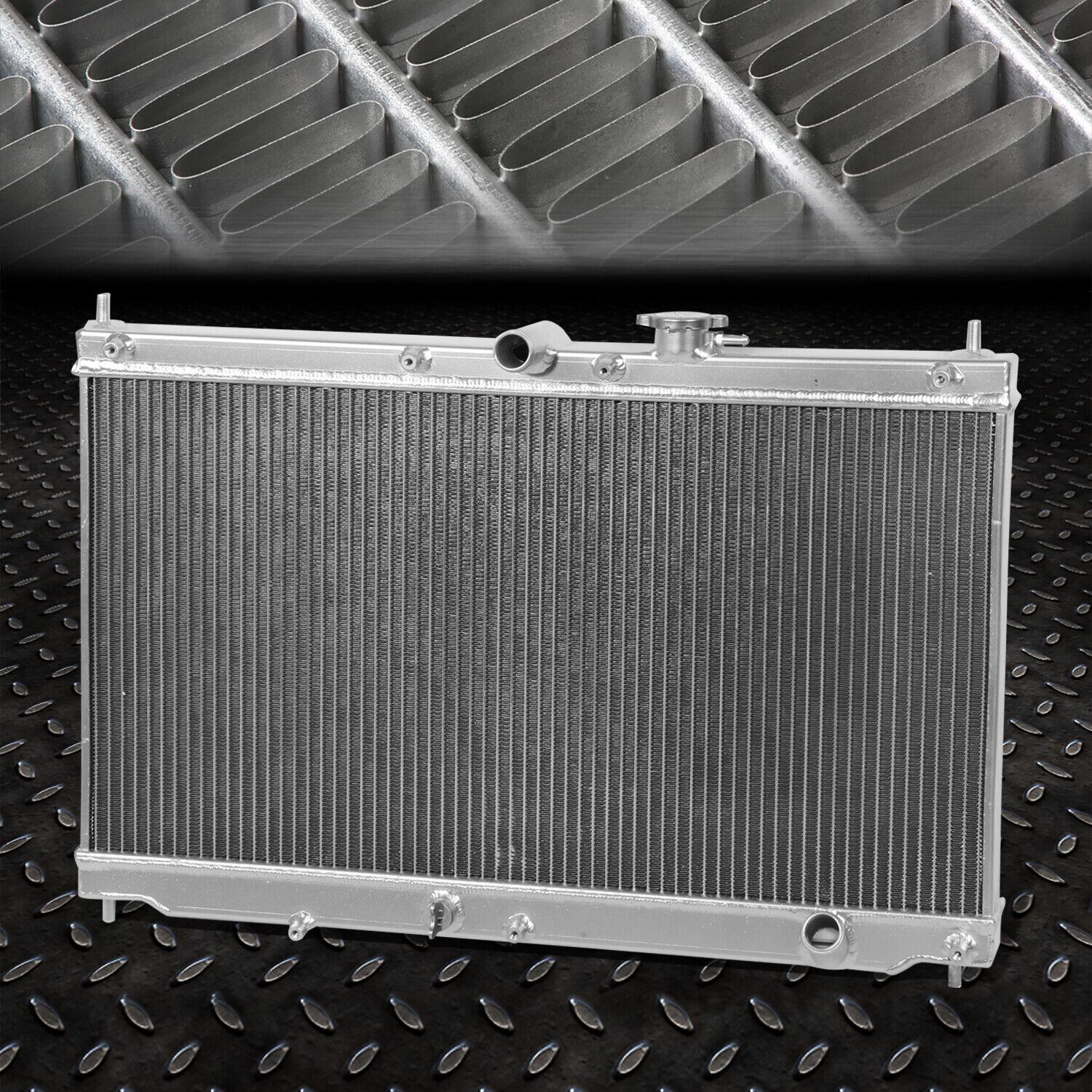
The global off-highway radiators market is witnessing consistent expansion as industries reliant on heavy-duty machinery continue to modernize their fleets and prioritize equipment reliability. According to industry-level assessments commonly reflected in research publications from leading market intelligence firms, the global off-highway radiators market size is likely to be valued at approximately US$5.7 billion in 2026 and is projected to reach US$7.2 billion by 2033. This growth trajectory represents a compound annual growth rate (CAGR) of 3.4% during the forecast period from 2026 to 2033.
Off-highway radiators play a critical role in maintaining optimal engine temperatures in non-road vehicles and equipment operating under harsh conditions. These include construction machinery, agricultural tractors and harvesters, mining trucks, forestry equipment, and industrial handling vehicles. Unlike on-highway automotive radiators, off-highway radiator systems are designed to withstand extreme vibration, dust exposure, fluctuating loads, and prolonged operating cycles. As a result, they are considered mission-critical components across multiple end-use sectors.
Market growth is being driven by several interrelated factors. The increasing prevalence of heavy-duty equipment in construction and infrastructure development projects worldwide continues to generate sustained demand for robust cooling systems. Similarly, the agricultural sector’s rapid mechanization, particularly in emerging economies, has significantly increased the installed base of off-highway vehicles requiring reliable radiator solutions. Mining operations, which demand uninterrupted equipment uptime in extreme environments, are further contributing to the adoption of high-performance and durable radiators.
Technological advancements are also reshaping the market. The transition toward lightweight aluminum radiators, improved heat dissipation designs, and enhanced corrosion resistance has extended product lifecycles and reduced maintenance costs for equipment operators. These advancements, combined with rising global investments in infrastructure, mining, and food production, underpin the positive outlook for the off-highway radiators market over the forecast period.
Segmentation Analysis
By Type
Based on type, the off-highway radiators market is commonly segmented into engine radiators, oil coolers, charge air coolers, and hydraulic fluid coolers. Among these, engine radiators continue to dominate the market, accounting for the largest share of global revenue. Their dominance is attributed to their indispensable role in maintaining engine efficiency and preventing overheating in high-load operating environments.
Charge air coolers are projected to witness comparatively faster growth during the forecast period. The increasing adoption of turbocharged and high-output engines in construction and mining equipment has heightened the need for efficient air cooling solutions. Charge air coolers enhance combustion efficiency and fuel economy, aligning well with evolving emission regulations and operational efficiency goals.
Oil and hydraulic fluid coolers are also gaining traction, particularly in advanced equipment models that integrate multiple cooling circuits. These components are increasingly being designed as part of modular and integrated cooling systems, which improve thermal management while reducing overall system complexity.
By Vehicle, Product, or Service Type
By vehicle and product type, the market is segmented into construction equipment, agricultural machinery, mining equipment, forestry equipment, and industrial vehicles. Construction equipment represents the largest segment, driven by global infrastructure expansion, urbanization, and government-led public works projects. Excavators, loaders, bulldozers, and cranes rely heavily on durable radiator systems to maintain performance during continuous operation.
Agricultural machinery is emerging as a high-growth segment, supported by the rising adoption of mechanized farming practices and precision agriculture. Tractors, combine harvesters, and sprayers are increasingly equipped with advanced cooling solutions that ensure performance stability during long operational hours in variable climatic conditions.
Mining equipment, although representing a comparatively smaller volume, contributes significantly to market value due to the premium nature of radiators required for extreme conditions. High-capacity dump trucks, drilling rigs, and loaders in mining applications demand heavy-duty radiators with superior thermal efficiency and resistance to dust, vibration, and corrosion.
By Propulsion, Technology, or Distribution Channel
From a technology and propulsion perspective, the market includes diesel-powered equipment, hybrid systems, and emerging electrified off-highway vehicles. Diesel-powered equipment continues to dominate due to its widespread use across construction, agriculture, and mining. However, hybrid and electric off-highway vehicles are gradually entering the market, particularly in regions with strict emission regulations and sustainability targets.
This shift is influencing radiator design requirements. Electrified and hybrid equipment require specialized thermal management systems to cool batteries, power electronics, and electric motors. As a result, radiator manufacturers are expanding their portfolios to include advanced heat exchangers and integrated thermal modules tailored to next-generation propulsion technologies.
Get Your FREE Sample Report Instantly Click Now: https://www.persistencemarketresearch.com/samples/32752
Regional Insights
Regionally, Asia-Pacific holds the leading position in the global off-highway radiators market. The region’s dominance is supported by large-scale infrastructure development, rapid industrialization, and strong agricultural activity in countries such as China, India, and Southeast Asian nations. Expanding construction equipment fleets and increasing domestic manufacturing capacity further reinforce Asia-Pacific’s market leadership.
North America represents another significant market, driven by advanced construction practices, high mechanization levels in agriculture, and substantial mining operations. The presence of major original equipment manufacturers (OEMs) and a strong aftermarket ecosystem contributes to consistent demand for replacement and upgraded radiator systems.
Europe maintains a stable share, supported by stringent emission standards and a strong focus on equipment efficiency and sustainability. European manufacturers are at the forefront of adopting lightweight materials and integrated cooling solutions, which continues to drive innovation in the regional market.
The fastest-growing region over the forecast period is expected to be Latin America and parts of the Middle East and Africa, where infrastructure investments, mining exploration, and agricultural modernization are accelerating. Increasing foreign direct investment in mining and construction projects, coupled with government initiatives to improve food security, is boosting demand for off-highway equipment and associated cooling systems in these regions.
Unique Features and Innovations in the Market
Modern off-highway radiator solutions are increasingly differentiated by their material composition, design efficiency, and integration with digital technologies. The shift from traditional copper-brass radiators to aluminum-based designs has been a defining trend, offering benefits such as reduced weight, improved heat transfer, and enhanced corrosion resistance.
Manufacturers are also focusing on compact and modular radiator designs that integrate multiple cooling functions into a single unit. These integrated systems reduce space requirements, simplify installation, and improve overall thermal management efficiency.
Digitalization is playing an expanding role in the market. The integration of IoT-enabled sensors into cooling systems allows real-time monitoring of temperature, pressure, and coolant flow. These sensors support predictive maintenance strategies by identifying potential failures before they result in costly downtime. While AI and advanced analytics are still in early adoption stages, they are increasingly being used by OEMs and fleet operators to optimize equipment performance and lifecycle management.
Market Highlights
One of the key reasons industries are adopting advanced off-highway radiator solutions is the growing emphasis on equipment uptime and operational efficiency. Downtime in construction, agriculture, or mining operations can result in significant financial losses, making reliable cooling systems a strategic investment.
Regulatory factors are also influencing market adoption. Stricter emission norms globally are pushing OEMs to develop engines with higher efficiency and lower environmental impact, which in turn increases the need for precise thermal management. Radiator systems that support improved combustion efficiency and reduced fuel consumption align well with these regulatory objectives.
Sustainability considerations are further shaping the market. Lightweight radiators contribute to overall equipment weight reduction, improving fuel efficiency and lowering carbon emissions. Additionally, extended service life and recyclability of aluminum components support circular economy principles increasingly prioritized by manufacturers and end users alike.
Key Players and Competitive Landscape
The global off-highway radiators market is characterized by the presence of several established players with strong engineering capabilities and global distribution networks. Denso Corporation is widely recognized for its advanced thermal management technologies and close collaborations with leading OEMs. The company focuses on continuous innovation and high-quality manufacturing to maintain its competitive edge.
MAHLE GmbH plays a significant role in the market through its expertise in integrated thermal systems and lightweight materials. The company’s strategic focus on sustainability and electrification positions it well for emerging propulsion trends.
Valeo is another key participant, leveraging its strong research and development capabilities to deliver compact and efficient cooling solutions. Valeo’s emphasis on modular designs and digital integration supports its growth in both OEM and aftermarket segments.
Modine Manufacturing Company has established a strong presence in heavy-duty and off-highway applications through its customized radiator solutions. The company continues to expand its regional footprint and invest in advanced manufacturing technologies.
AKG Group specializes in high-performance cooling systems for demanding applications such as mining and construction. Its focus on application-specific engineering and robust product design enables it to address niche requirements effectively.
Competition in the market is driven by product durability, thermal efficiency, customization capabilities, and long-term OEM partnerships. Companies are increasingly investing in regional expansions, localized production facilities, and aftermarket services to strengthen customer relationships and capture emerging opportunities.
Future Opportunities and Growth Prospects
Looking ahead, the off-highway radiators market is expected to benefit from sustained investments in infrastructure, food production, and natural resource extraction. The gradual electrification of off-highway equipment presents new opportunities for radiator manufacturers to develop advanced thermal management systems tailored to batteries and power electronics.
Evolving emission regulations and sustainability goals will continue to shape product development strategies, encouraging innovation in materials, design, and digital integration. As equipment becomes more technologically sophisticated, the role of intelligent and efficient cooling systems will become increasingly central to operational performance.
Overall, the global off-highway radiators market is positioned for steady and resilient growth, supported by fundamental demand drivers, technological progress, and the ongoing modernization of heavy-duty equipment across industries.

 Arabic
 French
 Spanish
 Portuguese
 Deutsch
 Turkish
 Dutch
Dutch
 Italiano
 Russian
 Romaian
 Portuguese (Brazil)
 Greek
Greek