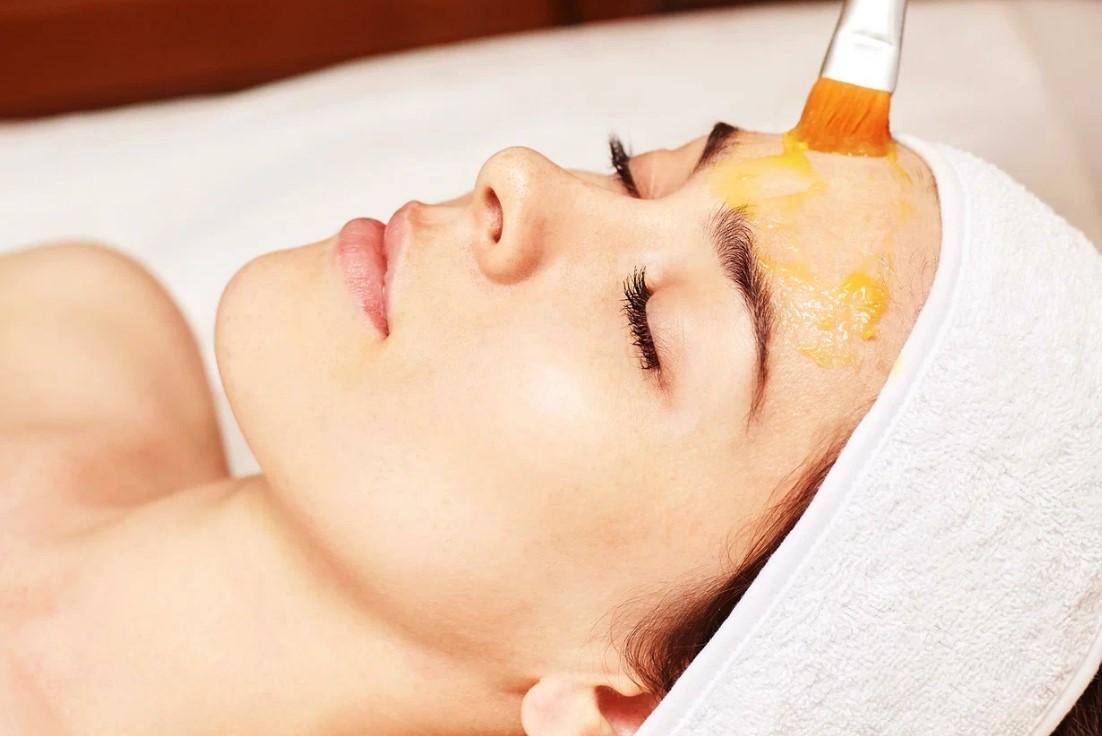
Chemical peels are a widely used skin resurfacing treatment designed to improve the appearance, texture, and health of the skin. They work by applying a chemical solution that exfoliates the skin and promotes the growth of new, healthier cells. Chemical peels are commonly classified into three main categories: superficial, medium, and deep peels. Each type differs in strength, depth of penetration, recovery time, and the skin concerns it can effectively treat. Understanding these differences helps individuals choose the most suitable option based on their goals and skin condition. Chemical Peels in Riyadh are a popular skin rejuvenation option for improving texture, tone, and overall skin clarity through customized exfoliation treatments.
Superficial Chemical Peels
Superficial chemical peels, also known as light peels, are the mildest form of chemical exfoliation. These peels target only the outermost layer of the skin, known as the epidermis. They are commonly used to improve mild skin concerns such as uneven skin tone, dullness, minor pigmentation, fine lines, and early signs of aging. Superficial peels are also effective for managing mild acne and refining skin texture.
One of the main advantages of superficial peels is their minimal downtime. After treatment, the skin may appear slightly red or feel tight, but these effects usually subside within a few hours to a couple of days. Light flaking or dryness may occur, but it is typically subtle. Because of their gentle nature, superficial peels are suitable for most skin types and can be repeated regularly as part of a skincare maintenance routine.
Superficial peels are often recommended for individuals who are new to chemical peels or those seeking gradual, consistent improvements rather than dramatic changes. They are also ideal for people with busy lifestyles who cannot afford extended recovery periods. While results are generally mild, multiple sessions can lead to noticeable enhancements in skin clarity and brightness over time.
Medium Chemical Peels
Medium chemical peels penetrate deeper into the skin, reaching the upper layers of the dermis. These peels are designed to address more pronounced skin concerns, including moderate wrinkles, acne scars, sun damage, and deeper pigmentation issues. By working below the surface layer, medium peels stimulate collagen production and encourage more significant skin renewal.
The recovery period for medium peels is longer compared to superficial peels. After treatment, patients often experience redness, swelling, and visible peeling that can last from several days to about one week. During this time, the skin may feel sensitive and require careful aftercare. As the old skin sheds, new, smoother, and more even-toned skin emerges.
Medium peels offer more noticeable and longer-lasting results than superficial peels, often after just one session. However, they require proper preparation and post-treatment care to minimize risks such as prolonged redness or pigmentation changes. Medium peels are suitable for individuals who want visible improvement in skin texture and tone but are still looking for a non-surgical option with manageable downtime.
Deep Chemical Peels
Deep chemical peels are the strongest type of chemical peel and penetrate the lower layers of the dermis. These peels are used to treat severe skin concerns such as deep wrinkles, significant sun damage, pronounced acne scars, and certain precancerous skin growths. Deep peels deliver dramatic and long-lasting results, often with just one treatment.
Due to their intensity, deep chemical peels involve a significant recovery period. Patients can expect substantial redness, swelling, and peeling, with healing times ranging from several weeks to a few months. The skin may remain sensitive and pink for an extended period, and strict sun protection is essential during the recovery phase.
Deep peels are not suitable for everyone. They are typically recommended for individuals with lighter skin tones and those who can commit to a longer downtime and rigorous aftercare routine. While the results can be transformative, the risks are higher, making professional assessment and careful monitoring essential.
Choosing the Right Chemical Peel
Selecting the appropriate type of chemical peel depends on several factors, including skin type, specific concerns, desired results, and tolerance for downtime. Superficial peels are ideal for maintenance and mild issues, medium peels suit moderate concerns requiring visible improvement, and deep peels are reserved for severe skin damage and advanced aging signs.
In conclusion, superficial, medium, and deep chemical peels each serve distinct purposes in skin resurfacing. By understanding their differences in depth, recovery, and results, individuals can make informed decisions and choose a treatment that aligns with their skincare goals. When performed correctly and followed by proper aftercare, chemical peels can significantly enhance skin health, appearance, and confidence.




 English
 Arabic
 French
 Portuguese
 Deutsch
 Turkish
 Dutch
Dutch
 Italiano
 Russian
 Romaian
 Portuguese (Brazil)
 Greek
Greek