


Synthetic Tartaric Acid Market Opportunities Emerging in Cosmetic and Personal Care Sectors
Introduction: Understanding the Importance of Synthetic Tartaric Acid
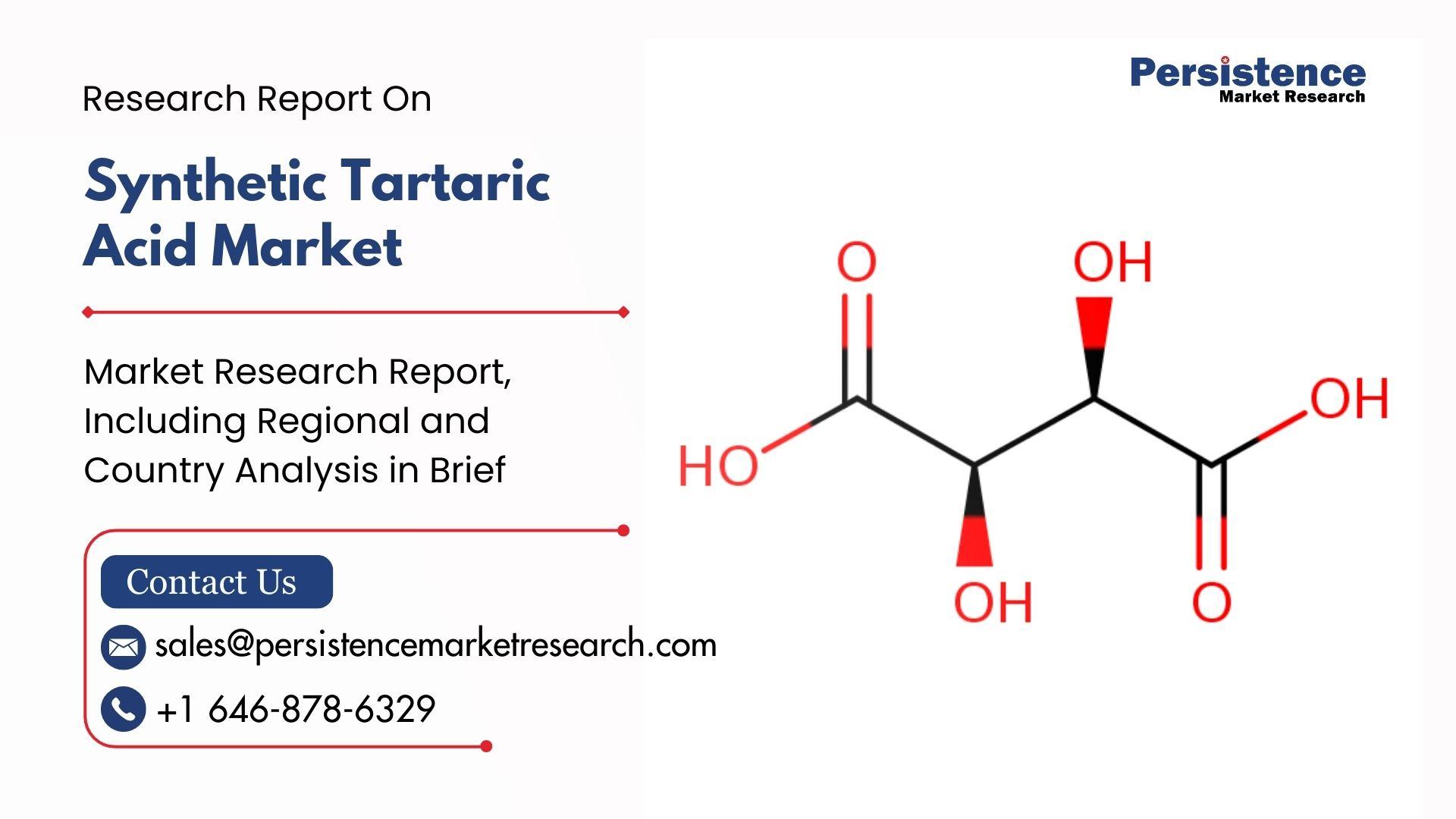
Synthetic tartaric acid is an organic acid widely used across food & beverage, pharmaceuticals, cosmetics, and industrial applications. Known for its excellent stabilizing, acidifying, and antioxidant properties, synthetic tartaric acid has become an essential ingredient in modern manufacturing. It is commonly used in bakery products, confectionery, carbonated beverages, and wine production to enhance flavor stability and shelf life. Beyond food applications, it also plays a critical role in pharmaceutical formulations and personal care products. As industries increasingly seek consistent quality and scalable production, synthetic tartaric acid is gaining preference over natural alternatives, driving steady market expansion globally.
Market Overview: Rising Demand and Strong Growth Potential
The synthetic tartaric acid market has witnessed consistent growth due to its widespread industrial use and rising global consumption of processed foods and beverages. Manufacturers prefer synthetic tartaric acid for its purity, cost-effectiveness, and reliable supply chain compared to naturally derived variants. The market is also benefiting from advancements in chemical synthesis processes that ensure improved efficiency and sustainability.
According to the Persistence Market Research report, the global synthetic tartaric acid market is expected to demonstrate stable growth throughout the forecast timeline. The report indicates that the market size is likely to be valued at US$ 758.5 million in 2026 and is projected to reach US$ 1,096.1 million by 2033. This expansion reflects a compound annual growth rate (CAGR) of 5.4% during the forecast period from 2026 to 2033. The steady rise in market value highlights increasing adoption across food, pharmaceutical, and industrial sectors worldwide.
What Is Synthetic Tartaric Acid Used For?
One of the most frequently searched queries related to this market is: What is synthetic tartaric acid used for? Synthetic tartaric acid is primarily used as an acidulant, stabilizer, and antioxidant in food and beverage products such as soft drinks, baked goods, dairy items, and confectionery. It enhances taste, controls acidity, and improves shelf life. In pharmaceuticals, it is used in effervescent tablets and medicinal syrups to aid solubility and flavor. Cosmetic manufacturers utilize it in skincare products for pH balancing. Additionally, it serves industrial roles in metal treatment, chemical synthesis, and textile processing. Its versatility and cost efficiency make it indispensable across multiple industries.
Get Your FREE Sample Report Instantly – Click Now
Food and Beverage Industry: The Leading Application Segment
The food and beverage industry remains the largest consumer of synthetic tartaric acid. It is extensively used in bakery items to activate leavening agents and improve texture. In beverages, particularly carbonated drinks and wine, synthetic tartaric acid stabilizes flavor profiles and maintains desired acidity levels. Confectionery manufacturers rely on it to prevent sugar crystallization and enhance taste consistency.
The rising global demand for packaged and convenience foods has accelerated the consumption of food additives, directly benefiting the synthetic tartaric acid market. Moreover, growing urbanization and changing dietary patterns are pushing manufacturers to adopt reliable ingredients that ensure uniform product quality, further strengthening market demand.
Pharmaceutical Applications: Supporting Drug Formulation Efficiency
In pharmaceutical manufacturing, synthetic tartaric acid plays a vital role in improving drug stability and solubility. It is commonly used in effervescent tablets, oral syrups, and vitamin supplements to enhance flavor and control pH levels. The expanding pharmaceutical industry, driven by rising healthcare needs and increasing global medicine consumption, has significantly contributed to market growth.
Additionally, as pharmaceutical companies focus on improving patient compliance through better-tasting and fast-dissolving formulations, the demand for synthetic tartaric acid continues to rise. This trend is expected to remain strong throughout the forecast period.
Cosmetics and Personal Care: Emerging Growth Avenue
The cosmetics and personal care sector is another growing application area for synthetic tartaric acid. It is used in skincare formulations such as face masks, creams, and cleansers to regulate pH balance and provide mild exfoliation effects. As consumers increasingly invest in skincare and beauty products, manufacturers are incorporating multifunctional ingredients to enhance product performance.
The rise of premium personal care brands and demand for dermatologically safe formulations are further encouraging the use of synthetic tartaric acid, contributing to new growth opportunities within the market.
Industrial Applications: Expanding Beyond Consumer Products
Beyond consumer-focused industries, synthetic tartaric acid is also used in metal finishing, textile dyeing, and chemical manufacturing processes. It acts as a chelating agent and stabilizer in various industrial reactions. With expanding industrial activities in emerging economies, the demand for synthetic chemical intermediates continues to grow, indirectly supporting the synthetic tartaric acid market.
Furthermore, technological improvements in production processes have enhanced output capacity and cost efficiency, enabling manufacturers to meet rising industrial demand effectively.
Regional Insights: Market Expansion Across Key Economies
North America and Europe currently hold significant shares in the synthetic tartaric acid market, driven by well-established food processing industries and strong pharmaceutical sectors. Strict food quality regulations and demand for standardized additives have further strengthened market penetration in these regions.
Asia Pacific is expected to witness the fastest growth due to expanding food and beverage manufacturing, rising pharmaceutical production, and increasing consumer spending on packaged goods. Countries such as China and India are emerging as key markets due to rapid industrialization and favorable manufacturing environments.
Latin America and the Middle East & Africa are also showing promising growth potential as food processing infrastructure improves and consumer lifestyles evolve.
Market Challenges: Pricing and Environmental Concerns
Despite positive growth trends, the synthetic tartaric acid market faces certain challenges. Price fluctuations in raw materials and energy costs can impact production economics. Additionally, growing consumer preference for clean-label and natural ingredients in food products may restrain synthetic additive usage in specific premium segments.
Environmental concerns regarding chemical synthesis and waste management also require manufacturers to adopt sustainable production practices. Companies investing in eco-friendly manufacturing technologies are likely to gain competitive advantages in the coming years.
Future Outlook: Innovation and Sustainable Production
The future of the synthetic tartaric acid market looks promising with continuous innovation in production efficiency and sustainability. Manufacturers are exploring greener synthesis routes to reduce environmental impact while maintaining product purity and consistency. Rising investments in research and development are expected to improve process optimization and cost competitiveness.
As global food security, healthcare expansion, and industrial production continue to grow, the demand for reliable chemical additives like synthetic tartaric acid will remain strong. Strategic partnerships between chemical producers and end-use industries are also likely to enhance supply chain stability and market reach.
Conclusion: A Market Positioned for Steady Advancement
The synthetic tartaric acid market is set to experience consistent growth supported by its diverse applications across food, pharmaceuticals, cosmetics, and industrial sectors. With market valuation projected to rise from US$ 758.5 million in 2026 to US$ 1,096.1 million by 2033 at a CAGR of 5.4%, the industry presents lucrative opportunities for manufacturers and investors alike. While challenges such as natural ingredient competition and environmental concerns persist, technological advancements and expanding global consumption patterns will continue to drive long-term market progress.
Explore the Latest Trending Research Reports:

 English
 French
 Spanish
 Portuguese
 Deutsch
 Turkish
 Dutch
Dutch
 Italiano
 Russian
 Romaian
 Portuguese (Brazil)
 Greek
Greek