


Hair transplant in Dammam: how to prepare for the procedure
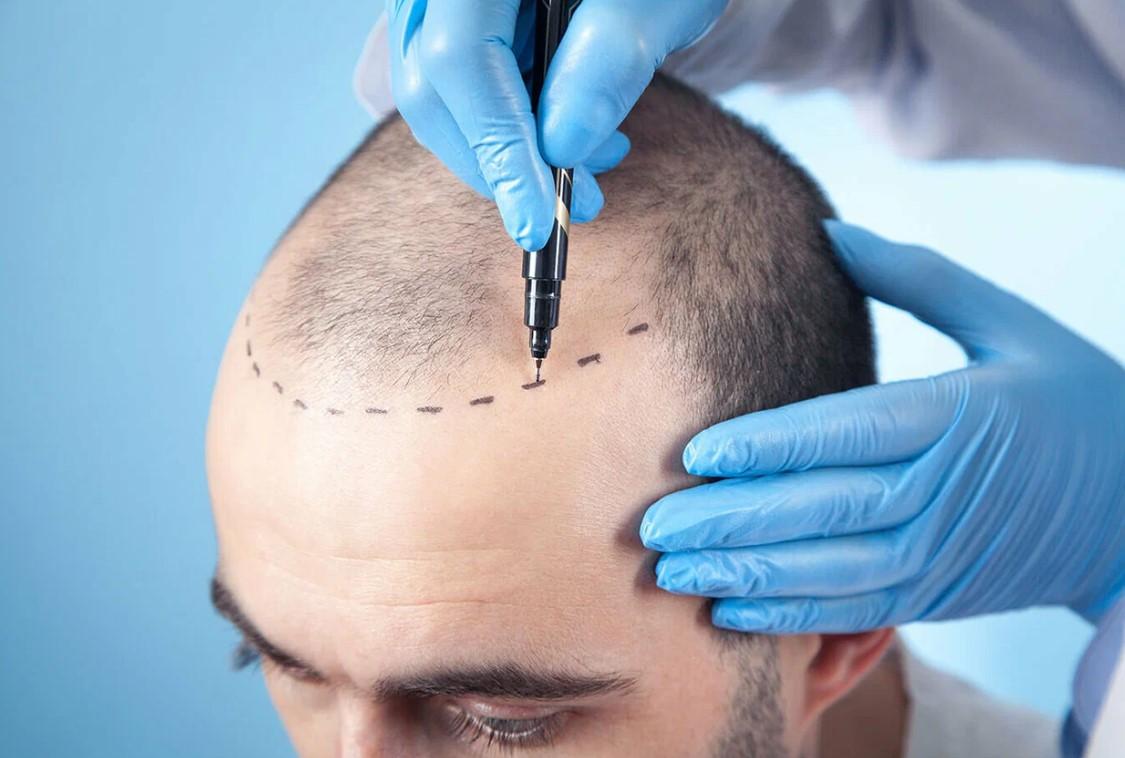
A hair transplant is a major decision, and proper preparation plays a crucial role in achieving the best results. Whether you are considering FUE (Follicular Unit Extraction) or FUT (Follicular Unit Transplantation), planning ahead can help reduce complications, improve healing, and ensure a smooth experience. Here is a complete guide on how to prepare for a hair transplant in Dammam. Hair transplant in Dammam is becoming a popular choice for people looking to restore their hair and confidence with modern, effective techniques.
1. Schedule a Detailed Consultation
The first step is to schedule a consultation with a qualified hair transplant surgeon. During this appointment, the doctor will:
-
Examine your scalp and hair density
-
Discuss your hair loss pattern and expectations
-
Evaluate your donor area suitability
-
Explain the best technique for you
-
Provide a treatment plan and cost estimate
A proper consultation ensures you have realistic expectations and helps you understand the procedure’s steps and outcomes.
2. Understand the Procedure and Set Realistic Goals
Hair transplant results are gradual and take time to appear. It’s important to understand:
-
Hair starts growing after 3–4 months
-
Visible improvement appears after 6–9 months
-
Final results may take 12–15 months
Setting realistic expectations will prevent disappointment and help you stay patient during the recovery process.
3. Stop Smoking and Reduce Alcohol Intake
Smoking and alcohol can significantly affect healing. They reduce blood flow to the scalp and delay recovery. Doctors usually recommend:
-
Stop smoking at least 2 weeks before the procedure
-
Avoid alcohol for 1–2 weeks before surgery
Reducing these habits improves graft survival and reduces the risk of complications.
4. Avoid Blood-Thinning Medications
Certain medications and supplements can increase bleeding during the procedure. Before surgery, inform your doctor about all medications you are taking. You may be advised to stop:
-
Aspirin
-
Ibuprofen
-
Vitamin E
-
Fish oil
-
Some herbal supplements
Do not stop any medication without your doctor’s approval, especially if you are taking prescribed blood thinners for a medical condition.
5. Follow Pre-Surgery Hair and Scalp Care
Proper scalp hygiene is important before the procedure. Your surgeon may advise you to:
-
Wash your hair thoroughly on the morning of surgery
-
Avoid using hair products like gel, wax, or spray
-
Avoid coloring or chemical treatments for at least 2 weeks
A clean scalp reduces the risk of infection and helps the surgeon work more efficiently.
6. Prepare for a Comfortable Day of Surgery
A hair transplant session can last several hours, so comfort is important. On the day of surgery:
-
Wear loose, comfortable clothing (preferably a button-down shirt)
-
Avoid wearing a tight hat or cap
-
Eat a light breakfast unless instructed otherwise
-
Arrange transportation as you may not feel comfortable driving afterward
Comfortable clothing also helps avoid disturbing the transplanted area when changing clothes after the procedure.
7. Arrange Post-Procedure Support
After the transplant, you may experience swelling, mild pain, or discomfort. It is wise to:
-
Arrange someone to drive you home
-
Prepare a comfortable resting place at home
-
Keep pillows ready to support your head
-
Stock up on soft foods and water
Having support at home helps you follow post-op instructions without stress.
8. Follow Doctor’s Instructions Strictly
Your surgeon will provide a set of pre-operative instructions. These may include:
-
Fasting instructions if sedation is planned
-
Special shampoos or medications
-
Avoiding heavy exercise before surgery
-
Preparing the donor area
Following these instructions strictly reduces the risk of complications and improves results.
9. Prepare for the Emotional and Mental Aspect
Hair transplant surgery can be emotionally significant. It is normal to feel nervous or excited. To prepare mentally:
-
Keep realistic expectations
-
Understand that initial shedding is normal
-
Plan for the recovery timeline
-
Stay positive and patient
A calm mindset helps you handle the recovery phase better.
10. Plan for Follow-Up Appointments
Hair transplant is not just a one-day procedure. Follow-up appointments are essential for:
-
Checking healing progress
-
Removing stitches (if FUT was done)
-
Monitoring graft growth
-
Addressing any concerns
Make sure you have time scheduled for these follow-ups.
Conclusion
Preparing for a hair transplant in Dammam involves both physical and mental planning. From choosing a qualified surgeon and stopping smoking to arranging transportation and following pre-op instructions, every step matters. Proper preparation ensures a smooth procedure, faster recovery, and the best possible outcome.

 Arabic
 French
 Spanish
 Portuguese
 Deutsch
 Turkish
 Dutch
Dutch
 Italiano
 Russian
 Romaian
 Portuguese (Brazil)
 Greek
Greek