


Comprehensive Guide to Hair Restoration Surgery in Riyadh
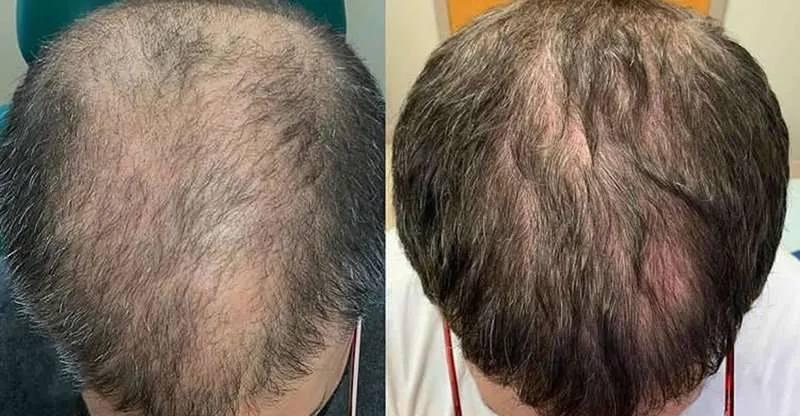
Comprehensive Guide to Hair Restoration Surgery in Riyadh
Deciding to address hair loss is a significant step toward reclaiming one’s youthful profile and self-assurance. As of 2026, the medical infrastructure for Hair restoration surgery in Riyadh(زراعة الشعر في الرياض) has reached a level of sophistication that rivals the world’s most renowned aesthetic capitals. For those considering this path, much like those seeking a Hair transplant in Riyadh, the journey is no longer defined by guesswork but by data-driven diagnostics and high-precision surgical techniques. This comprehensive guide explores the modern landscape of hair restoration in the Saudi capital, from the initial digital scalp analysis to the long-term milestones of permanent hair growth, ensuring that patients have a clear and realistic roadmap for their transformation.
The Modern Consultation: Digital Scalp Mapping
In Riyadh’s top-tier clinics, the journey does not start in the operating room, but at a high-definition diagnostic station. Surgeons use specialized microscopic cameras to create a "Digital Scalp Map," which provides critical data for the surgical plan.
-
Follicular Density Analysis: The system calculates exactly how many hairs are available in the "donor area" (usually the back of the head) to ensure that harvesting does not leave the area looking thin.
-
Miniaturization Assessment: Doctors can identify which hairs are currently thinning but not yet lost, allowing them to recommend non-surgical "maintenance" therapies to protect your existing hair alongside the transplant.
-
Graft Requirement Calculation: By measuring the exact square footage of the balding area, the clinic can provide an accurate graft count, ensuring that the results are dense and provide full coverage.
Comparing the Core Techniques: FUE vs. DHI vs. FUT
Riyadh offers a variety of surgical approaches tailored to the specific needs of the patient. Understanding these options is the first step in a successful restoration.
| Technique | Method | Best For | Recovery Time |
| FUE (Follicular Unit Extraction) | Individual follicles are harvested using a micro-punch and then implanted into pre-made channels. | General balding; patients who prefer short haircuts. | 7 – 10 Days |
| DHI (Direct Hair Implantation) | Follicles are harvested and immediately implanted using a Choi Pen, bypassing the channel-creation step. | Maximum density; hairline refinement; no-shave options. | 5 – 7 Days |
| FUT (Strip Method) | A small strip of scalp is removed and dissected into individual grafts under a microscope. | Severe hair loss requiring 5,000+ grafts in one session. | 14 – 21 Days |
The Surgical Experience: What to Expect on Procedure Day
Modern hair restoration in Riyadh is designed to be a comfortable, outpatient experience. Most surgeries last between 4 and 8 hours, depending on the number of grafts.
-
Preparation and Numbing: The scalp is thoroughly cleaned, and a local anesthetic is applied. Many clinics in Riyadh now use "needle-free" anesthesia systems, which use high-pressure air to deliver the numbing agent without the sting of a traditional needle.
-
The Harvesting Phase: The surgeon carefully extracts the healthy follicles. In FUE and DHI, this leaves tiny micro-dots that heal within a few days.
-
The Design and Implantation: This is where the "art" of surgery happens. The surgeon meticulously places each hair at the correct angle, depth, and direction to mimic the natural flow of your original hair.
The 12-Month Growth Timeline
Patience is a vital component of the hair restoration journey. The results are permanent, but they emerge in distinct biological stages.
-
Weeks 1–2 (The Healing Phase): Tiny scabs form and eventually fall off. You may return to light office work after 3 to 5 days.
-
Month 1 (The "Shock Loss"): It is completely normal for the newly transplanted hairs to fall out. This is a temporary shedding phase as the follicles enter a resting period.
-
Months 3–4 (The First Sprouts): You will see fine, wispy hairs beginning to break through the skin.
-
Months 6–9 (The Thickening Phase): The hair becomes darker, coarser, and significantly more dense. This is when the transformation becomes truly visible.
-
Month 12 (The Final Result): Your hair has reached its full growth potential. You can now cut, style, and color it exactly like your original hair.
Conclusion
Riyadh provides a world-class environment for hair restoration surgery, combining advanced technology with a deep understanding of facial aesthetics. By choosing a comprehensive approach that includes digital mapping and the latest implantation techniques like DHI or Sapphire FUE, you are investing in a permanent solution that looks as natural as it feels. Hair restoration is not just about moving hair—it is about restoring the frame of your face and the confidence that comes with a full, healthy head of hair.

 English
 Arabic
 French
 Spanish
 Portuguese
 Turkish
 Dutch
Dutch
 Italiano
 Russian
 Romaian
 Portuguese (Brazil)
 Greek
Greek