


Safety Features Every Family Should Look for in Senior Residences
Choosing the Right Environment for Your Loved One
When families search for a safe and nurturing environment for their loved ones, the concept of senior living in Chennai becomes a focal point. Families often weigh comfort, convenience, and most importantly, safety. The first step is to research the facility’s reputation, check for certifications, and, crucially, observe how staff interact with residents. A reputable senior living in Chennai will prioritize clear communication, transparent policies, and an environment that feels both secure and welcoming. By starting the conversation early, you set the stage for a smooth transition and peace of mind.
Fire Safety and Emergency Preparedness
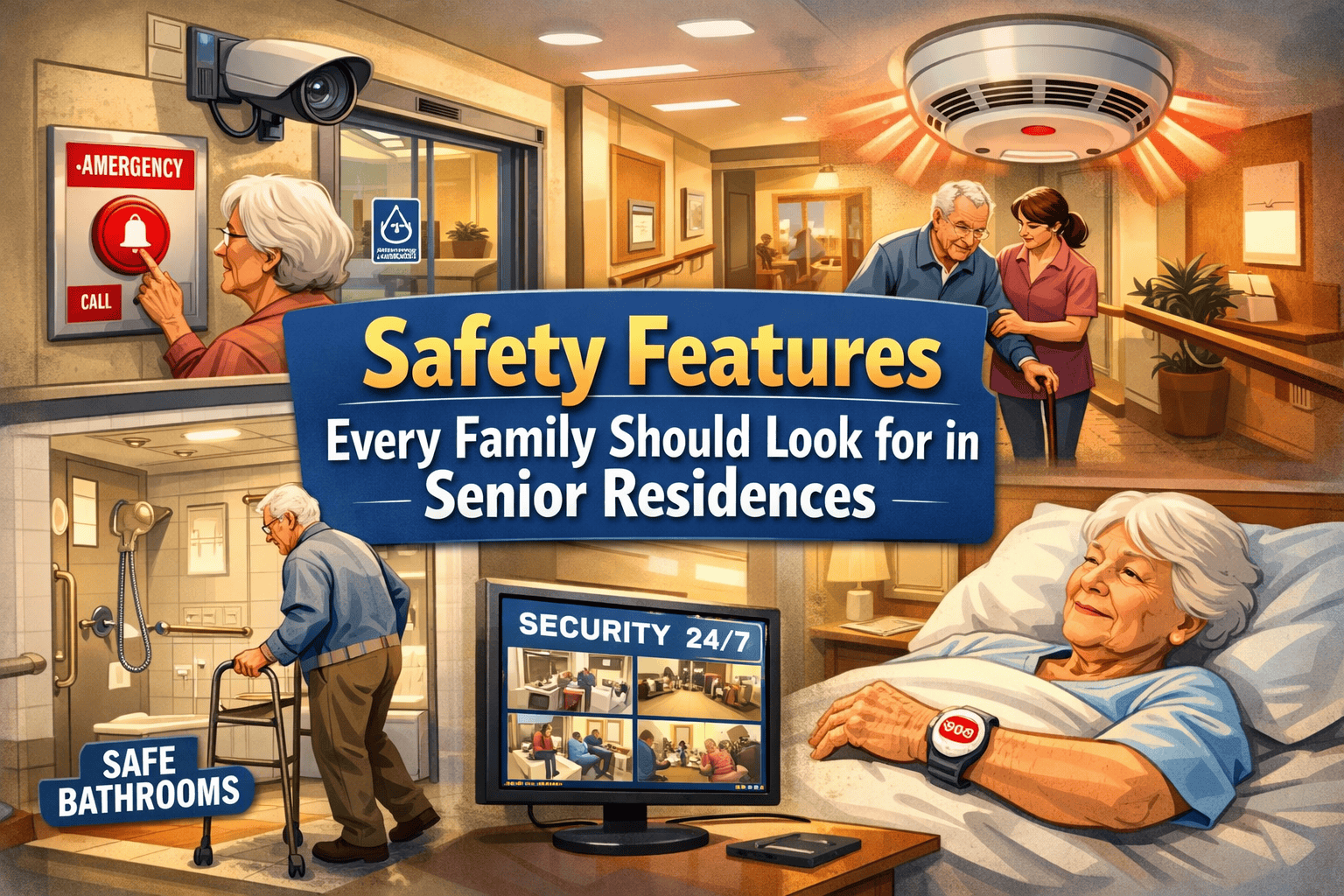
Fire safety is a cornerstone of any senior residence. Look for clearly marked exits, functioning smoke detectors, and regular fire drills that are tailored to residents with mobility or cognitive challenges. Facilities should have an accessible fire suppression system, such as sprinklers, and trained staff ready to act. Additionally, a comprehensive emergency evacuation plan that includes assistance for residents with limited mobility ensures that everyone can leave safely during a crisis. Regular inspections and compliance with local fire codes are also indicators of a facility’s commitment to safety.
Fall Prevention Measures
Falls are a leading cause of injury among seniors. A safe senior residence incorporates design elements that reduce fall risk, such as non-slip flooring, grab bars in bathrooms, and adequate lighting throughout common areas. Hallways should be wide enough for walkers or wheelchairs, and staircases should have sturdy railings on both sides. Regularly scheduled balance and strength training classes can also help residents maintain mobility. Facilities that invest in these preventive measures demonstrate a proactive approach to resident well-being.
Medical Emergency Response Protocols
In the event of a medical emergency, time is critical. A senior residence should have a 24-hour medical response team or a reliable partnership with local healthcare providers. The presence of on-site nurses, or easy access to emergency medical services, is essential. Facilities should also maintain up-to-date medical records for each resident and ensure that emergency plans are communicated to both staff and family members. Clear protocols for handling conditions such as heart attacks, strokes, or severe infections can save lives.
Security and Surveillance
Safety extends beyond the physical layout to include the security of residents. Look for controlled access points, identification badges for staff, and discreet surveillance systems that respect privacy while deterring unauthorized entry. Staff should be trained to recognize and respond to signs of abuse or neglect. Regular security audits and incident reporting procedures add an extra layer of protection, ensuring that any potential threat is identified and addressed promptly.
Accessibility and Mobility Support
Accessibility is a key factor in resident safety. Facilities should provide ramps, elevators, and wide doorways that accommodate wheelchairs and walkers. In-room features such as adjustable beds, handrails, and easy-to-reach controls reduce the risk of injury. Additionally, a dedicated mobility assistance team can help residents with daily tasks, ensuring they remain independent while minimizing the chance of accidents. Properly designed accessibility features reflect a facility’s respect for each resident’s dignity and safety.
Technology Integration for Safety
Modern technology can enhance safety in several ways. Remote monitoring systems allow staff to keep an eye on residents without constant physical presence, while wearable devices can alert caregivers to sudden changes in vital signs. Smart home features, such as automatic lighting and temperature control, reduce the likelihood of accidents caused by environmental factors. When choosing a senior residence, ask about the integration of technology and how it supports both safety and quality of life.
Staff Training and Credentials
Well-trained staff are the backbone of a safe senior residence. Look for ongoing training programs covering first aid, CPR, dementia care, and emergency response. Staff members should hold relevant certifications and be evaluated regularly for performance. A low staff-to-resident ratio ensures that each resident receives personalized attention, reducing the risk of overlooked safety concerns. Facilities that prioritize staff development demonstrate a commitment to maintaining a safe and supportive environment.
Resident Monitoring and Communication
Effective communication between residents, families, and staff is essential for safety. Regular check-ins, family meetings, and transparent reporting of incidents help build trust. Facilities should implement a system that allows residents to easily report concerns or request assistance. Additionally, clear signage and an open-door policy encourage residents to voice issues before they become serious problems. A culture that values open communication contributes significantly to overall safety.
Environmental Design and Hygiene Standards
Cleanliness and thoughtful design go hand in hand with safety. Facilities should adhere to strict hygiene protocols, including regular cleaning of high-touch surfaces and proper waste disposal. Design elements such as clear signage, adequate lighting, and noise control reduce confusion and accidents. Moreover, a well-maintained environment minimizes the risk of infections and promotes a sense of well-being. When evaluating a senior residence, observe the overall upkeep and attention to detail in common areas.
Community and Social Interaction
A vibrant community can indirectly boost safety by keeping residents mentally and physically active. Regular social activities, exercise classes, and hobby groups encourage movement and engagement, which can reduce fall risk and improve overall health. Facilities that foster a sense of belonging also create a safer atmosphere, as residents are more likely to look out for one another. A strong community network acts as an additional layer of support and vigilance.
Choosing the Right Old Age Home in ECR Chennai
After reviewing the essential safety features, families can confidently select a facility that meets their needs. A reputable old age home in ECR Chennai will combine all these elements—fire safety, fall prevention, medical readiness, security, accessibility, technology, skilled staff, proactive communication, meticulous hygiene, and a thriving community—into a cohesive environment. By focusing on these priorities, families ensure that their loved ones enjoy a safe, dignified, and enriching retirement experience.

 English
 French
 Spanish
 Portuguese
 Deutsch
 Turkish
 Dutch
Dutch
 Italiano
 Russian
 Romaian
 Portuguese (Brazil)
 Greek
Greek