


How Exosomes are Revolutionizing Hair Regrowth in Saudi Arabia
How Exosomes are Revolutionizing Hair Regrowth in Saudi Arabia
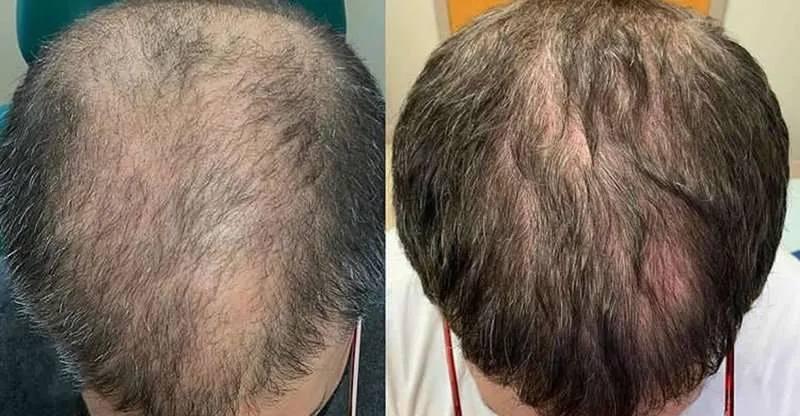
The medical landscape in the Gulf region is currently undergoing a significant transformation, driven by a growing demand for non-invasive yet highly potent aesthetic solutions. At the forefront of this shift is the rising popularity of hair loss with exosomes in Riyadh,(تساقط الشعر بالإكسوسومات في الرياض) a treatment that is redefining the standards of follicular care. As Saudi Arabia continues to position itself as a global leader in healthcare innovation under Vision 2030, regenerative medicine has moved from the fringes of research to the center of clinical practice. By utilizing nano-sized vesicles to communicate directly with hair follicles, this therapy offers a level of precision that was previously unattainable through traditional methods, providing hope to thousands seeking to restore their hair without the need for extensive surgery.
The Science Behind the Revolution
To appreciate why exosome therapy is considered "revolutionary," one must look at the microscopic scale. Exosomes are extracellular vesicles—essentially biological delivery trucks—that carry a high concentration of growth factors, cytokines, and messenger RNA. Unlike older treatments that rely on broad-spectrum stimulation, exosomes act as targeted signaling molecules.
When applied to the scalp, these vesicles seek out damaged or dormant follicles. They deliver a "blueprint" for repair, instructing the cells within the hair bulb to restart the growth cycle. This process, known as paracrine signaling, allows for a deep level of rejuvenation that goes beyond surface-level fixes. In the specialized clinics of Saudi Arabia, this technology is being utilized to bypass the limitations of the patient’s own aging cells, providing a "fresh start" for the scalp’s ecosystem.
Why Saudi Arabia is a Global Hub for Regenerative Care
The adoption of exosome technology in Saudi Arabia is not accidental. Several factors have converged to make Riyadh and Jeddah focal points for this advancement:
-
Investment in Biotechnology: The Kingdom has heavily invested in world-class laboratories and medical infrastructure, ensuring that the exosomes used are of the highest medical-grade purity.
-
Aesthetic Sophistication: Saudi patients are known for being highly informed and discerning. There is a strong preference for "bio-identical" and "cell-free" treatments that minimize the risk of adverse reactions while maximizing natural-looking results.
-
Climate-Specific Solutions: The intense heat and environmental factors in the region can lead to scalp oxidative stress, which accelerates hair thinning. Exosomes offer potent anti-inflammatory benefits that directly counteract these environmental stressors, making them particularly effective for those living in the desert climate.
Key Benefits of the Exosome Approach
The reason exosomes are rapidly gaining ground over more established treatments like PRP (Platelet-Rich Plasma) lies in their consistency and potency.
-
Higher Concentration: While PRP contains a variable number of growth factors based on the patient's own health, exosome solutions are standardized to contain billions of active vesicles, ensuring a more predictable outcome.
-
Zero Cellular Material: Because exosomes are cell-free, there is no risk of immune rejection. This makes the therapy incredibly safe and versatile for a wide range of patients.
-
Minimal Downtime: In a fast-paced city like Riyadh, the ability to undergo a 30-minute procedure and return immediately to work or social engagements is a massive advantage. There are no bandages, no stitches, and no lengthy recovery periods.
Clinical Outcomes: What Patients Observe
The transition from thinning hair to visible regrowth is a gradual biological process. In the Saudi clinical experience, patients typically report a three-stage progression:
| Timeline | Phase | Expected Observation |
| Weeks 1–4 | Stabilizing | A noticeable reduction in daily hair shedding and "fall out." |
| Months 2–4 | Revitalizing | Existing hair begins to feel thicker and more "wiry" as the shaft diameter increases. |
| Months 6+ | Regrowing | New "baby hairs" appear in previously thinning areas, leading to improved overall density. |
This timeline aligns with the natural hair growth cycle (Anagen phase), which the exosomes help to prolong and strengthen.
Integrating Technology into Daily Life
For the modern resident of Saudi Arabia, exosome therapy fits seamlessly into a holistic wellness routine. It is often used as a proactive measure—not just for those who are already balding, but for individuals who notice the first signs of thinning and want to maintain their current density for decades to come.
The treatment is typically performed using microneedling or high-precision micro-injections. These methods create tiny channels that allow the exosomes to bypass the skin's outer barrier and reach the dermal papilla cells directly. This "direct-to-follicle" delivery system is why the results are often more robust than what can be achieved with topical serums or oral supplements alone.
The Path Forward: A Regenerative Future
As we look toward the future of hair restoration in the Kingdom, the role of exosomes is only expected to grow. Ongoing research is exploring how these vesicles can be customized to carry even more specific genetic instructions, potentially allowing for "personalized" hair regrowth protocols tailored to an individual’s DNA.
By prioritizing science-backed, minimally invasive technology, Saudi Arabia is not just keeping pace with global trends—it is setting them. Exosome therapy represents a shift away from "covering up" hair loss and toward a future where we can truly heal and regenerate the body from within.

 English
 French
 Spanish
 Portuguese
 Deutsch
 Turkish
 Dutch
Dutch
 Italiano
 Russian
 Romaian
 Portuguese (Brazil)
 Greek
Greek