


Beard hair transplant in Riyadh: step-by-step procedure explained
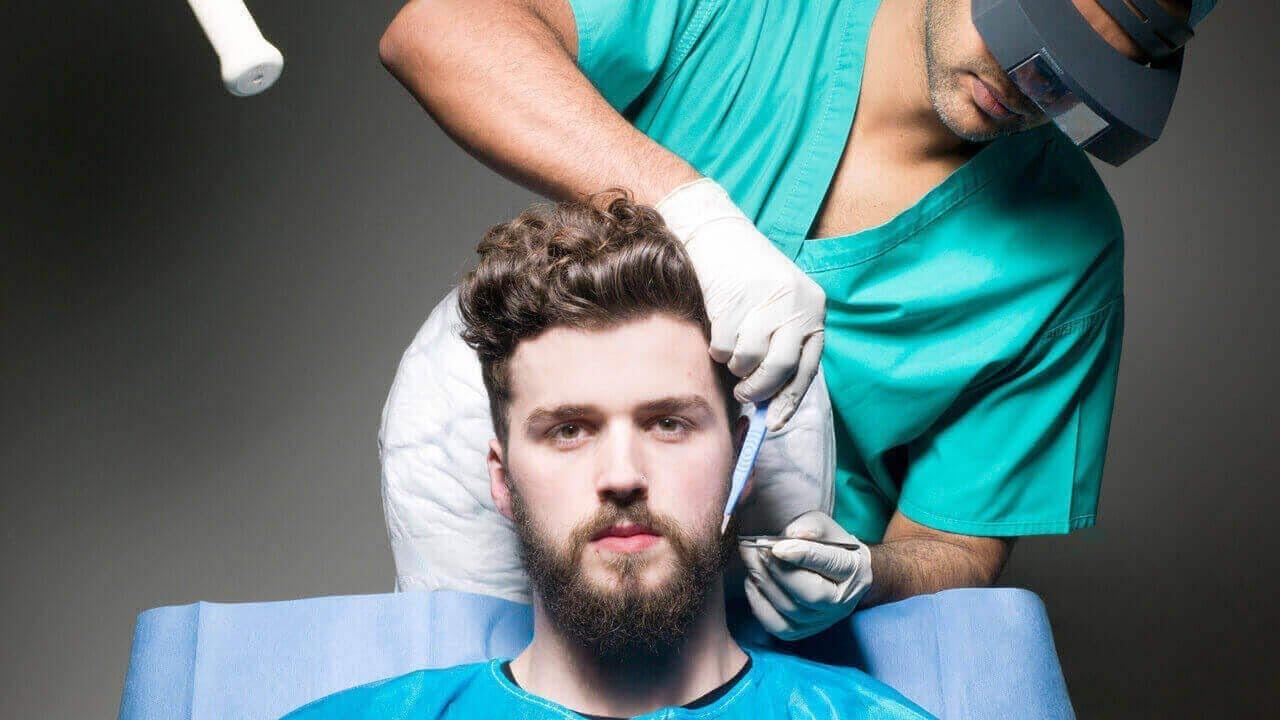
Beard hair transplant has become a popular solution in Riyadh for men who struggle with patchy facial hair, thin beards, or uneven growth. The procedure is designed to create a natural, fuller beard using hair follicles taken from a donor area—typically the scalp. Below is a clear, step-by-step explanation of what happens during a beard hair transplant, from the initial consultation to final results. Beard hair transplant in Riyadh is a popular choice for men seeking a fuller and more defined facial hair appearance.
1. Initial Consultation and Assessment
The process begins with a detailed consultation with a qualified hair transplant surgeon. During this meeting, the surgeon will:
-
Evaluate the patient’s facial hair pattern and facial structure.
-
Examine the donor area to ensure there is enough hair for transplant.
-
Discuss the patient’s goals and expectations.
-
Review medical history, including any medications, allergies, or conditions that may affect healing.
This step is crucial because it determines whether the patient is a good candidate and helps create a customized plan for beard design and hair placement.
2. Beard Design and Planning
Once the patient is cleared for surgery, the surgeon designs the beard shape based on facial features and desired style. This includes:
-
Determining the beard line (cheeks, jawline, chin, mustache area).
-
Deciding the density and pattern of hair growth.
-
Planning the number of grafts needed for each area.
The design phase ensures the final result looks natural and complements the patient’s face. It also allows the patient to visualize the outcome and make adjustments before the surgery.
3. Preparation and Local Anesthesia
On the day of the procedure, the patient arrives at the clinic and is prepared for surgery. Preparation steps usually include:
-
Cleaning the donor and recipient areas.
-
Shaving or trimming the donor area if needed.
-
Applying local anesthesia to both the donor and recipient regions to ensure comfort during the procedure.
Local anesthesia is used so the patient remains awake but pain-free. Patients may feel slight pressure or mild discomfort, but the process is generally well-tolerated.
4. Donor Hair Extraction
The most common technique used in beard transplant is Follicular Unit Extraction (FUE). In this method:
-
Individual hair follicles are extracted one by one from the donor area (usually the back or sides of the scalp).
-
The surgeon uses a micro punch tool to remove each follicle carefully.
-
Extracted grafts are then stored in a special solution to keep them healthy until implantation.
The donor area usually heals quickly with minimal scarring, as FUE does not require a large incision.
5. Graft Preparation
After extraction, the hair grafts are carefully examined and prepared for transplantation. This involves:
-
Sorting the follicles based on size and quality.
-
Keeping them hydrated and protected to maintain viability.
-
Preparing them for placement in the beard area.
Proper handling of grafts is essential for successful growth and natural-looking results.
6. Recipient Site Creation
Next, the surgeon creates tiny incisions in the beard area where the grafts will be implanted. The direction, angle, and depth of these incisions are crucial for achieving natural hair growth. During this step:
-
The surgeon determines the correct angle to match natural beard hair direction.
-
Incisions are made carefully to create a realistic beard pattern.
-
Density is planned to avoid overcrowding and ensure even growth.
This step is where the artistic skill of the surgeon becomes most important, as it defines the final look.
7. Graft Implantation
Once the recipient sites are ready, the surgeon implants the grafts into the prepared areas. The grafts are placed one by one, ensuring:
-
Proper orientation and angle
-
Even spacing
-
Natural-looking density
This part of the procedure is usually the longest because it requires precision and patience. The surgeon aims to mimic natural beard growth, so the placement must be exact.
8. Post-Procedure Care and Instructions
After the transplant is complete, the patient receives post-procedure care instructions, including:
-
How to clean and care for the treated area.
-
Which medications to take to reduce swelling or prevent infection.
-
Avoiding physical activities and heavy exercise for a few days.
-
How to protect the area from sun exposure.
Patients are usually advised to avoid touching or scratching the transplanted area and to follow all instructions to ensure successful healing.
9. Recovery and Growth Timeline
After the procedure, the patient can expect:
-
Mild swelling and redness for a few days.
-
Tiny scabs that fall off within a week.
-
Initial shedding of transplanted hair within the first month, which is normal.
-
New hair growth starting around 3–4 months.
-
Full results visible around 8–12 months.
Patience is key, as beard hair grows gradually and becomes thicker over time.

 English
 Arabic
 French
 Spanish
 Portuguese
 Deutsch
 Turkish
 Dutch
Dutch
 Italiano
 Romaian
 Portuguese (Brazil)
 Greek
Greek