


Hydrafacial in Riyadh: before and after care tips
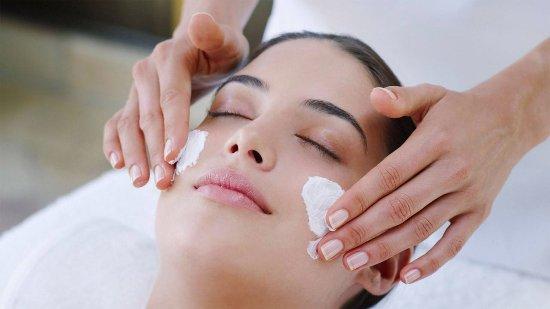
HydraFacial is a popular and effective skincare treatment in Riyadh because it combines cleansing, exfoliation, extraction, hydration, and antioxidant infusion in one session. While the treatment itself is gentle and typically requires no downtime, proper before and after care can significantly enhance results, reduce the risk of irritation, and help maintain a healthy, glowing complexion. Here are comprehensive pre- and post-treatment tips to follow for the best HydraFacial experience.
Hydrafacial treatment in Riyadh is a popular choice for achieving instantly glowing, hydrated skin with minimal downtime.
One of the biggest benefits of HydraFacial for oily and acne-prone skin is
Before HydraFacial: Preparation Tips
1. Avoid Harsh Exfoliation
For at least 3–5 days before your HydraFacial, avoid using strong exfoliating products such as scrubs, retinoids, or chemical peels. These can make the skin more sensitive and increase the risk of irritation during the treatment. Gentle cleansing and mild moisturizers are recommended instead.
2. Skip Retinoids and Active Ingredients
Retinoids, vitamin C, and other active acids should be avoided for at least 3–5 days prior to your session. These ingredients can thin and sensitize the skin, making it more prone to redness and discomfort. If you’re using prescription acne treatments, consult your dermatologist for guidance before the treatment.
3. Avoid Sun Exposure
Sun exposure can increase skin sensitivity and inflammation. Try to avoid direct sun exposure for one week before the treatment, and always use sunscreen when outdoors. This helps reduce the risk of irritation and ensures the skin is in a calm, healthy state before the HydraFacial.
4. Stay Hydrated
HydraFacial works best when your skin is well-hydrated. Drink plenty of water in the days leading up to the treatment to support skin hydration and overall health. Hydrated skin responds better to the hydrating serums used during the procedure.
5. Inform Your Provider About Skin Conditions
If you have active acne, eczema, rosacea, or other skin concerns, inform your skincare professional before the treatment. Certain conditions may require adjustments to the HydraFacial protocol to avoid irritation and maximize benefits.
6. Avoid Waxing or Laser Treatments
Avoid waxing, laser hair removal, or other intense facial procedures for at least one week before the HydraFacial. These treatments can make the skin more sensitive and increase the risk of irritation during the HydraFacial.
7. Plan Your Schedule
While HydraFacial usually has no downtime, it’s best to schedule your session when you can avoid heavy sweating or makeup immediately afterward. This allows your skin to fully absorb the nourishing serums.
After HydraFacial: Post-Treatment Care Tips
1. Avoid Sun Exposure and Use Sunscreen
After HydraFacial, your skin may be more sensitive to UV rays. Avoid direct sun exposure for at least 48 hours and always apply a broad-spectrum sunscreen with SPF 30 or higher. Sunscreen protects the skin and helps prevent hyperpigmentation, especially if you have acne marks or uneven tone.
2. Avoid Heavy Makeup for 24 Hours
To let your skin breathe and absorb the serums, avoid heavy makeup for at least 24 hours after the treatment. If you must wear makeup, choose lightweight, non-comedogenic products and remove them gently at the end of the day.
3. Avoid Harsh Skincare Products
For 3–5 days after the treatment, avoid using harsh exfoliants, retinoids, and strong acids. These can cause irritation and interfere with the skin’s healing process. Stick to gentle cleansers and mild moisturizers during this period.
4. Keep Skin Hydrated
HydraFacial is designed to hydrate the skin, and maintaining hydration afterward helps prolong the benefits. Use a gentle moisturizer and consider applying a hydrating serum with hyaluronic acid to keep your skin plump and healthy.
5. Avoid Sweating and Intense Workouts
Avoid heavy workouts, saunas, steam rooms, and excessive sweating for at least 24–48 hours after the treatment. Sweat can irritate freshly treated skin and increase the risk of breakouts or inflammation.
6. Avoid Picking or Touching the Face
After the treatment, avoid touching, picking, or squeezing any blemishes. This can cause irritation and increase the risk of scarring or infection. Let the skin heal naturally.
7. Continue a Gentle Skincare Routine
After the initial 3–5 days, you can gradually return to your normal skincare routine. However, it’s important to continue using gentle products and avoid over-exfoliating. This helps maintain the results and keeps the skin balanced.
8. Schedule Regular Sessions
For long-lasting results, consider scheduling HydraFacial sessions every 4–6 weeks, depending on your skin type and concerns. Regular treatments can help manage acne, control oil production, and maintain a healthy, glowing complexion.
Common Reactions and When to Seek Help
HydraFacial is generally safe and comfortable, but some people may experience mild redness or sensitivity afterward. These reactions usually subside within a few hours to a day. However, if you notice severe irritation, swelling, burning, or signs of infection, contact your skincare provider immediately.

 English
 Arabic
 French
 Spanish
 Portuguese
 Deutsch
 Turkish
 Dutch
Dutch
 Russian
 Romaian
 Portuguese (Brazil)
 Greek
Greek