


Hair Transplant Maintenance for Lasting Hair
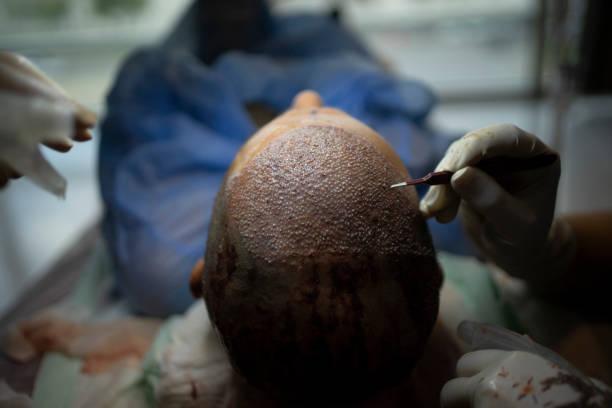
Imagine waking up every day with a full head of hair that looks natural and thrives for years. That's the dream after a Hair Transplant Clinic in Riyadh(عيادة زراعة الشعر في الرياض), but it doesn't happen by magic. Proper maintenance turns a good procedure into lifelong results. This guide dives deep into essential care strategies, from immediate post-op routines to long-term habits. Whether you're newly transplanted or planning ahead, these tips ensure your investment grows strong.
Hair restoration journeys excite many, blending science with self-care. Readers often search for ways to maximize follicle survival and density. We'll cover daily regimens, nutrition, and common pitfalls, keeping everything practical and evidence-based. Stick around to unlock secrets for hair that defies time.
Why Maintenance Matters After Hair Transplant
Right after surgery, your scalp enters a delicate phase. Transplanted follicles need nurturing to root deeply and produce robust strands. Neglect here leads to poor growth or shedding, dashing hopes for density. Hair transplant maintenance boosts survival rates up to 90% when done right, according to dermatological studies.
Think of it like planting seeds in fertile soil. Without water, sunlight, and protection, they wither. Similarly, your grafts crave gentle handling and optimal conditions. This section breaks down the science: follicles enter a shock-loss phase around week two, then regrow by month three. Consistent care accelerates this, revealing thicker hair by six months.
Immediate Post-Op Care Essentials
The first two weeks set the foundation. Gently wash your scalp with a prescribed mild shampoo to remove crusts without dislodging grafts. Pat dry—never rub—and avoid direct sun exposure to prevent swelling or pigmentation issues. Sleep elevated with a travel pillow to minimize pressure on the donor area.
Hydration plays a starring role; drink plenty to support healing. Steer clear of sweat-inducing activities like gyms or saunas. These steps reduce infection risks and promote faster anchoring. Patients who follow them report smoother recoveries and earlier visible growth.
Daily Washing Routine
Start saline sprays on day one, progressing to baby shampoo by day three. Massage lightly in circular motions for two minutes, twice daily. Rinse thoroughly under lukewarm water. This routine clears debris while stimulating blood flow, vital for nutrient delivery to follicles.
Protecting Grafts from Trauma
Wear loose hats if outdoors, but only after day five. Avoid scratching itches—use cold compresses instead. These habits shield vulnerable grafts, ensuring they thrive into mature hair.
Nutrition for Optimal Hair Growth
Food fuels your follicles long-term. Protein-rich diets supply keratin, the hair's building block. Incorporate eggs, fish, nuts, and lean meats daily. Vitamins like biotin (in avocados and sweet potatoes) and vitamin D (from sunlight or fortified foods) supercharge growth cycles.
Omega-3s from salmon reduce inflammation, aiding scalp health. Iron combats anemia-related shedding—leafy greens and red meat help. A balanced plate isn't just for weight; it's your hair's lifeline post-procedure.
Key Supplements to Consider
Discuss with your doctor multivitamins containing zinc, vitamin C, and saw palmetto. These enhance follicle strength without overload. Track intake via apps for consistency, turning meals into maintenance powerhouses.
Scalp Massage and Stimulation Techniques
From week four, introduce gentle scalp massages. Use fingertips to knead the crown for five minutes daily, boosting circulation. Tools like dermarollers (0.5mm needles) from month three encourage collagen, thickening skin around grafts.
This isn't spa fluff—studies show improved blood flow increases hair diameter by 10-15%. Alternate with LED light therapy caps for red light benefits, promoting cellular repair. Consistency here yields denser, resilient strands.
Frequency and Best Practices
Massage post-shampoo when scalp is clean. Start slow to avoid irritation, building to daily sessions. Pair with essential oils like rosemary diluted in jojoba for natural DHT blockers, mimicking proven growth stimulants.
Avoiding Common Maintenance Mistakes
Sweaty workouts too soon? Big no—wait six weeks to prevent graft displacement. Harsh chemicals in dyes or perms irritate until month six. Smoking constricts vessels, starving follicles of oxygen; quit for amplified results.
Over-styling with tight ponytails pulls new growth. Stress spikes cortisol, triggering telogen effluvium—counter with meditation. Spotting these traps keeps your hairline intact.
Lifestyle Adjustments for Success
Prioritize sleep (7-9 hours) for growth hormone release. Limit alcohol, which dehydrates the scalp. These tweaks amplify every care step, ensuring transplanted hair endures.
Long-Term Habits for Lifelong Results
By year one, shift to preventive mode. Annual check-ups monitor progress. Use sulfate-free shampoos and conditioners tailored for treated scalps. Minoxidil, applied nightly, sustains non-transplanted areas, blending seamlessly.
Stay vigilant against androgenetic alopecia progression with finasteride if prescribed. UV protection via hats preserves pigment. These habits cement your fuller crown for decades.
Monitoring and Adjusting Care
Take monthly photos for progress tracking. Adjust based on shedding patterns or density dips. This proactive stance turns maintenance into a rewarding ritual.
Ready to ensure your hair transplant results last? Book an appointment for a consultation at Enfield Royal Riyadh (إنفيلد رويال الرياض) today and get personalized advice.
FAQs
How soon can I resume normal shampooing after hair transplant?
A: Begin gentle washing on day three with baby shampoo, advancing to regular routines by week two. This prevents crust buildup while protecting grafts.
Does diet really impact hair transplant growth?
A: Absolutely—proteins, biotin, and iron are crucial. A nutrient-rich diet can enhance follicle strength and speed up regrowth by months.
Can I exercise after my hair transplant procedure?
A: Light walks from day three, but intense workouts wait four to six weeks to avoid sweating on healing scalp.
How do I prevent itching during hair transplant recovery?
A: Cold compresses and antihistamines help. Avoid scratching; opt for medicated sprays for relief without disrupting grafts.
When will I see full hair transplant results?
A: Initial growth by month three, peak density at 12-18 months. Patience and maintenance unlock the best outcomes.

 English
 Arabic
 French
 Spanish
 Portuguese
 Deutsch
 Turkish
 Dutch
Dutch
 Italiano
 Russian
 Portuguese (Brazil)
 Greek
Greek