


Why Modern Businesses Need a Kiosk for Better Service
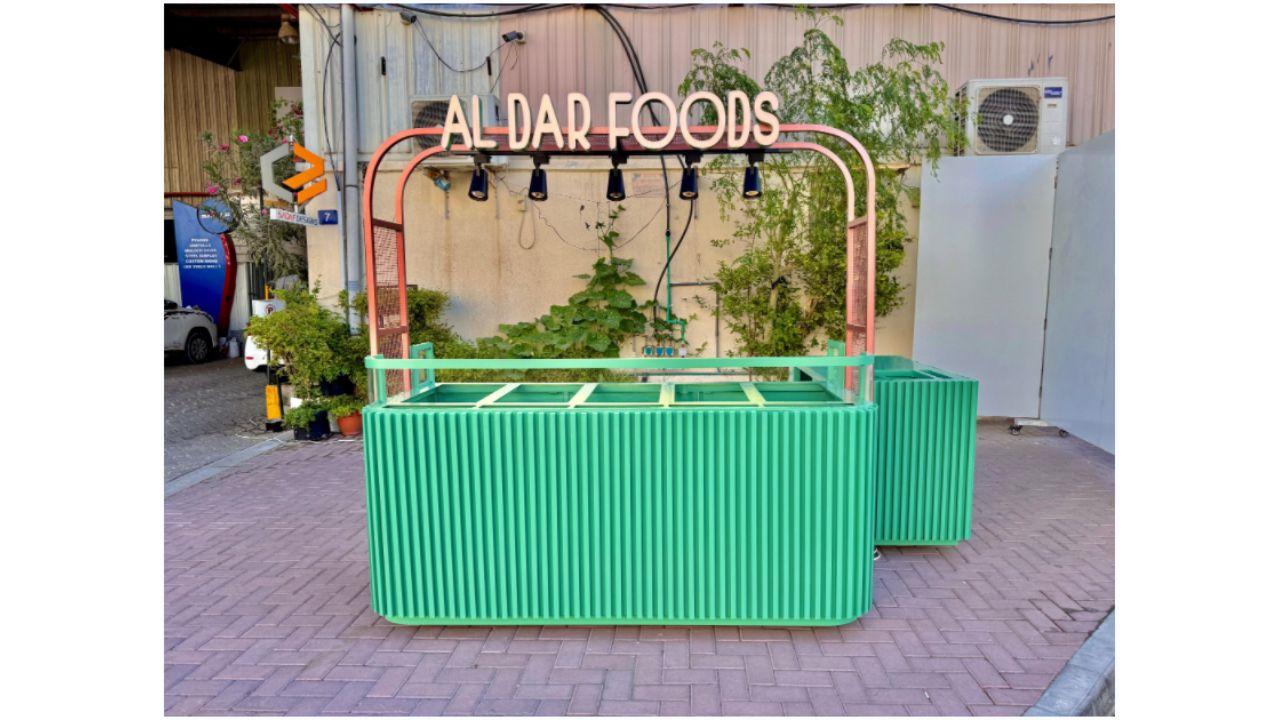
In the fast-paced world of modern business, customer expectations are constantly rising. People want speed, convenience, and interactive experiences when they visit a store, office, or commercial space. Traditional methods of service, like waiting in long lines or relying solely on staff for information, often fall short. This is where a kiosk comes into play. These self-service stations not only improve efficiency but also enhance the overall customer experience, making businesses more accessible, modern, and customer-friendly.
A kiosk is more than just a screen or a machine. It is a versatile tool that can serve multiple purposes—providing information, processing payments, displaying promotions, or even guiding visitors through complex spaces. By integrating technology with convenience, kiosks help businesses streamline operations while keeping customers engaged and satisfied.
How Kiosks Transform Customer Experience
Kiosk solutions are transforming the way customers interact with businesses. Instead of waiting for staff assistance, customers can quickly access the information or service they need on their own. This creates a sense of control and convenience, which modern consumers highly value.
For retail businesses, kiosks allow customers to check product availability, place orders, or even browse promotions without relying on staff. In corporate settings, kiosks can streamline visitor check-ins, provide directions, or share real-time updates. By reducing wait times and simplifying interactions, kiosks enhance efficiency while leaving a positive impression on customers.
Additionally, kiosks offer consistency in service. Human errors are minimized, and information can be displayed accurately every time. This reliability builds trust with customers, as they know they can depend on the kiosk for clear guidance, accurate product information, and seamless transactions.
Benefits of Integrating a Kiosk in Modern Businesses
The advantages of using kiosks in modern business environments are substantial. One of the biggest benefits is efficiency. By allowing customers to handle certain tasks themselves—whether it’s ordering, payment, or checking information—staff can focus on more complex responsibilities, improving overall workflow.
Another major benefit is enhanced engagement. Modern kiosks are often interactive and visually appealing, encouraging users to explore products or services in a self-guided manner. This interactivity can lead to higher customer satisfaction and even increased sales, as customers are more likely to discover new products or services.
Kiosks also provide valuable data insights. Businesses can track usage patterns, popular services, and customer preferences. This information can inform better business decisions, marketing strategies, and operational improvements. In essence, kiosks not only serve customers but also help businesses understand them better.
Furthermore, kiosks are adaptable. They can be customized to fit a variety of business needs—from retail stores and restaurants to banks, airports, and healthcare facilities. Their versatility makes them a long-term investment that grows with the business.
Design and Placement Considerations
For kiosks to be effective, careful thought must be given to their design and placement. A well-designed kiosk should be user-friendly, with intuitive navigation, clear instructions, and responsive touchscreens. Accessibility is key, ensuring that people of all abilities can use the kiosk comfortably.
Placement is equally important. Kiosks should be positioned in high-traffic areas where they are easily noticeable, but they should not obstruct the flow of customers. Retail environments benefit from placing kiosks near entrances, checkout areas, or product displays, while corporate offices might place them in lobbies or near conference rooms.
Additionally, businesses should consider the type of services offered through the kiosk. Whether it’s payment processing, information sharing, or interactive promotions, the functionality should align with customer needs. A professional provider can help design a kiosk that balances aesthetic appeal, usability, and functionality, ensuring maximum effectiveness.
Long-Term Impact on Businesses
Integrating kiosks into a business is more than a temporary solution—it is a long-term investment. Kiosks help reduce operational costs by automating repetitive tasks, allowing staff to focus on higher-value interactions. Over time, this can improve productivity and customer satisfaction simultaneously.
Kiosks also strengthen brand perception. Modern, interactive kiosks communicate innovation, professionalism, and a commitment to customer convenience. They leave lasting impressions on visitors, reinforcing trust and encouraging repeat engagement.
Moreover, kiosks are scalable. As a business grows or customer needs evolve, kiosks can be upgraded with new features, software, or displays. This adaptability ensures that your investment continues to provide value for years to come.
Conclusion
Modern businesses cannot afford to rely solely on traditional service methods. A kiosk is a versatile, efficient, and engaging solution that enhances customer experience, improves operational efficiency, and reinforces brand identity. By offering interactive self-service options, businesses can meet customer expectations and stay ahead in today’s competitive market.
For businesses looking for reliable kiosk solutions, Sadaf Designs provides professional design, installation, and support services that help retail and commercial spaces improve service, engagement, and overall customer satisfaction.

 English
 Arabic
 French
 Spanish
 Portuguese
 Turkish
 Dutch
Dutch
 Italiano
 Russian
 Romaian
 Portuguese (Brazil)
 Greek
Greek