


Understanding Energy Flow During Drilling Operations
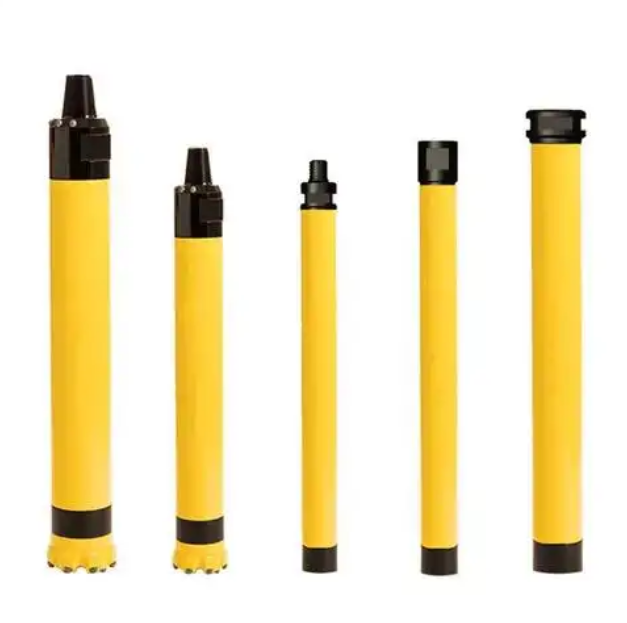
Efficient drilling below the surface depends not just on mechanical strength but also on how effectively energy and airflow are managed within the system. One area frequently questioned by field operators is why a DTH Hammer may lose impact power even when everything appears correctly assembled. Delving into airflow dynamics and energy transfer reveals several common pitfalls.
A surprising number of performance problems begin with air delivery issues. Blocked or insufficient air flow through the hammer can hinder flushing and cuttings removal, causing the tool to “bounce” instead of striking cleanly. Operators often find that reducing feed force slightly improves airflow around the bit and restores stable impact behavior.
Energy transfer from the hammer’s piston to the rock face also relies on a clean, secure interface. When components such as the Shank Adapter and bit are properly matched, impact energy travels more directly to the cutting surface rather than dissipating in unintended directions. Improper coupling or slight misfits create vibration and shear forces that reduce efficiency.
In drilling scenarios with mixed rock types or fluctuating air conditions, crews often adjust drilling parameters throughout the day. Maintaining stable compressor output, avoiding overly rapid feed rates, and inspecting internal hammer seals regularly are measures many experienced workers advocate to maintain consistent drilling rhythm.
The connection between airflow and internal wear is another topic of frequent discussion. Inadequate flushing results not only in reduced penetration rates but also in increased heat buildup inside the hammer and bit interface, accelerating wear on critical parts. This feedback is echoed by many drilling technicians who monitor bit temperature patterns as a clue to airflow efficiency.
Operational insights from field teams also point out that sudden drops in impact feel may originate from packed cuttings or minor blockages rather than major component failure. Pre-drilling checks for debris in air passages and verifying clean airflow paths often prevent these issues before they escalate.
In summary, blending awareness of airflow behavior with mechanical compatibility checks enriches the understanding of drilling performance and equips operators with practical strategies for maintaining drilling momentum.

 English
 Arabic
 French
 Spanish
 Portuguese
 Deutsch
 Turkish
 Dutch
Dutch
 Italiano
 Russian
 Portuguese (Brazil)
 Greek
Greek