


Exploring Neuroeducation is a Future Of Education
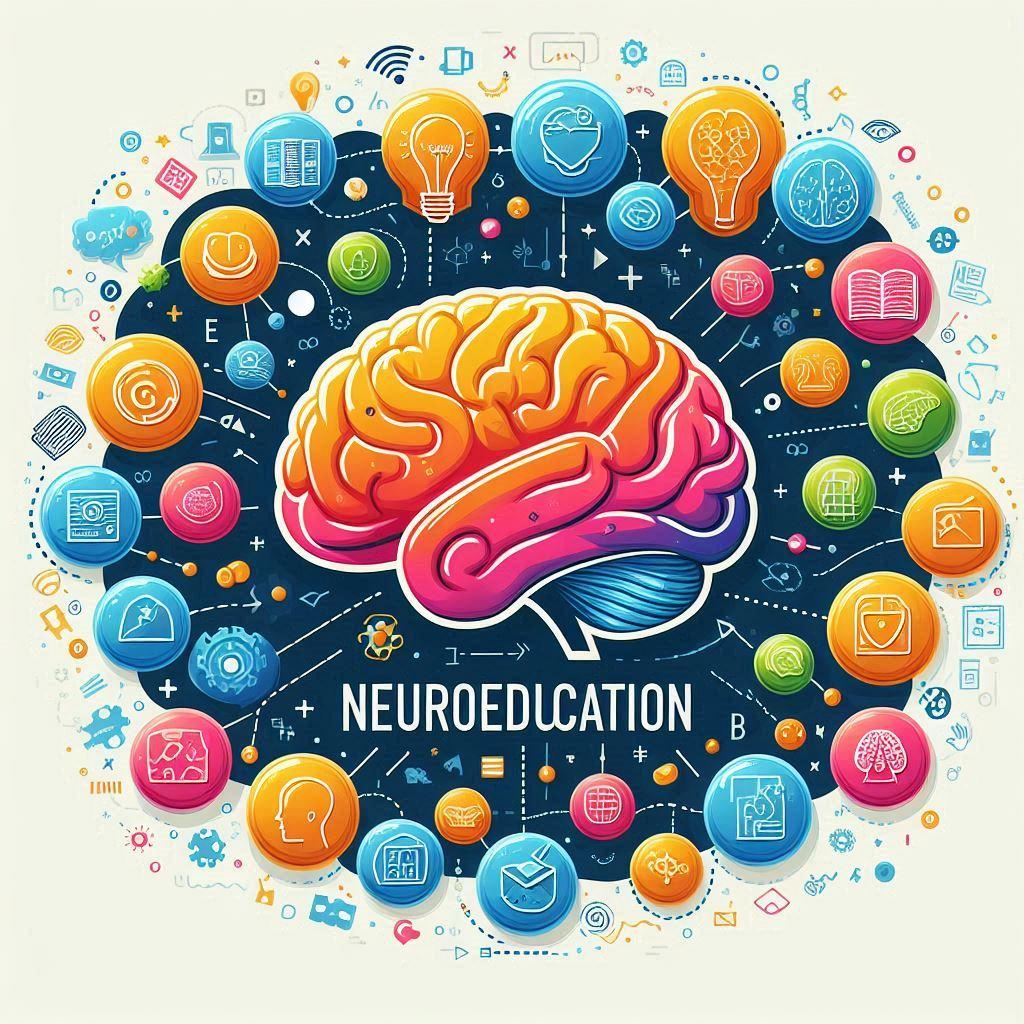
Education is in a constant state of flux as new explorations and technologies influence the way people learn and what they are able to learn. One of the brightest prospects shaping the future education is neuroeducation. By combining neuroscience, psychology, and educational proposition, neuroeducation aims to produce further effective, substantiated, and brain-friendly literacy surroundings. As seminaries and institutions seek innovative tutoring styles, Exploring Neuroeducation is a Future of Education has come decreasingly applicable.
Neuroeducation is the study of how the brain learns, including how it processes information, creates memories, and reacts to various literacy stimulants. This information allows preceptors to create educational approaches that are consistent with inherent cognitive functions. For illustration, incorporating active literacy, spaced reiteration, emotional engagement, and multi-sensory gests improves attention, appreciation, and long- term retention among scholars.
One of the crucial benefits of neuroeducation is substantiated literacy. Every learner’s brain develops else, and neuroeducation helps preceptors identify individual strengths and learning styles. With the support of digital tools and data- driven perceptivity, preceptors can conform assignment plans to match each pupil’s cognitive requirements, making learning further inclusive and effective.
Technology is also important factor in development of neuroeducation. Artificial intelligence, virtual reality and adaptive literacy platforms allow immersive literacy gests that boost brain engagement. These tools give real- time feedback and performance shadowing, allowing preceptors to continuously ameliorate tutoring styles and pupil issues.
For those interested in deeper perceptivity and exploration- grounded strategies, resources like Exploring Neuroeducation as a Future of Education offer precious perspectives on how neuroscience- driven education is shaping the future of literacy. Access to similar information helps preceptors, institutions, and policymakers make informed opinions about class development and digital metamorphosis.
Neuroeducation also supports emotional intelligence and internal well- being in classrooms. By understanding how stress, provocation, and feelings affect learning, preceptors can produce probative surroundings that promote confidence, creativity, and critical thinking. This holistic approach prepares scholars for both academic success and real- world challenges.
In conclusion, neuroeducation represents a important shift toward smarter, more mortal- centered education. By integrating scientific exploration with innovative technologies and tutoring practices, educational institutions can make learning systems that acclimatize to individual requirements and unborn pool demands.

 English
 Arabic
 French
 Portuguese
 Deutsch
 Turkish
 Dutch
Dutch
 Italiano
 Russian
 Romaian
 Portuguese (Brazil)
 Greek
Greek