


Tattoo Ink on Stretch Marks: How Skin Texture Affects Results
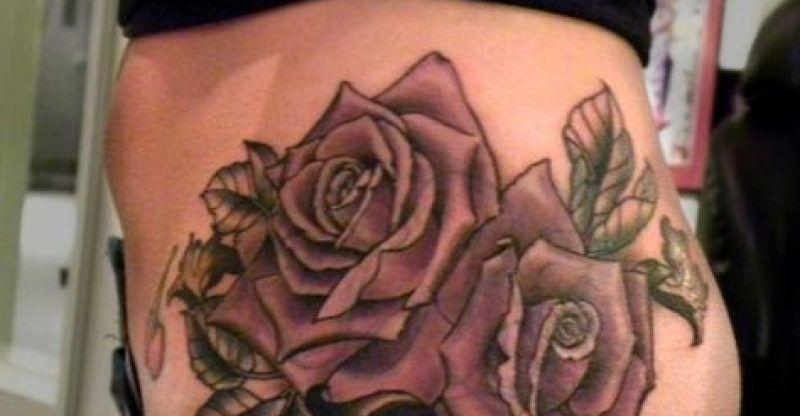
Tattoos are a powerful form of self-expression, but when they are placed over stretch marks, the process and outcome can be more complex. Many people explore the idea of tattoo stretch mark coverage to reclaim confidence or transform areas of skin that have changed due to pregnancy, weight fluctuations, or growth spurts. Understanding how skin texture interacts with tattoo ink is essential for achieving the best possible result.
Understanding Stretch Marks and Skin Structure
Stretch marks, medically known as striae, form when the skin stretches or shrinks rapidly, causing the collagen and elastin fibers to tear. As the skin heals, these marks appear as indented lines that can range in color from red or purple to silvery white. Unlike normal skin, stretch marks have a thinner dermal layer and altered elasticity.
This structural difference matters greatly in tattooing. Ink is deposited into the dermis, and when that layer is compromised or uneven, the way pigment settles can vary. Anyone considering tattoo stretch marks coverage should understand that the skin will not behave exactly like untouched areas.
How Skin Texture Influences Ink Absorption
Healthy, smooth skin tends to accept ink evenly, producing crisp lines and consistent color. Stretch marks, however, are often softer, more fibrous, or slightly raised or sunken. Because of this, ink may spread differently, sometimes leading to blurred lines or lighter saturation.
Tattoo artists often adjust needle depth and technique when working over stretch marks. If the needle goes too deep, ink can spread; too shallow, and it may fade quickly. This delicate balance is why experience is critical when planning a tattoo stretch marks design.
Color Choice and Visibility
Color selection plays a major role in how successful a tattoo over stretch marks will appear. Darker pigments, such as black, deep blue, or rich greens, tend to mask texture differences better than very light or pastel colors. However, even dark ink can heal unevenly if the underlying skin varies in thickness.
Skin tone also interacts with stretch marks and ink. Lighter stretch marks on darker skin may require different shading techniques than pale skin with silvery striae. Skilled artists often use gradients, dotwork, or textured shading to visually blend the area, making tattoo stretch marks less noticeable.
Design Considerations for Best Results
Certain tattoo styles work better over stretch marks than others. Organic designs like florals, watercolor effects, mandalas, and abstract patterns are popular because they naturally distract the eye from irregular texture. Straight lines, geometric shapes, or fine-line scripts may highlight unevenness instead of concealing it.
Placement also matters. Stretch marks that are older and have faded to a lighter color are generally more stable and predictable for tattooing. Fresh, red, or inflamed marks should never be tattooed, as the skin is still healing and can react unpredictably. Patience is essential when planning tattoo stretch marks coverage.
Healing Process and Aftercare
Healing over stretch marks can take longer than healing on normal skin. Because the area has reduced elasticity and blood flow, scabbing and peeling may be slightly prolonged. Proper aftercare is crucial to protect ink retention and prevent patchiness.
Keeping the area moisturized, avoiding sun exposure, and following the artist’s instructions closely can make a significant difference. Some people require touch-up sessions, which are common and expected when working with tattoo stretch marks.
Potential Risks and Limitations
While many people achieve beautiful results, it’s important to be realistic. Tattoos cannot completely erase stretch marks; they can only camouflage them. In some cases, the texture may still be visible at certain angles or lighting conditions.
There is also a slightly higher risk of ink fading or uneven healing. Consulting with an experienced artist and discussing expectations openly reduces disappointment and ensures you understand the limitations of tattoo stretch marks solutions.
Choosing the Right Tattoo Artist
Not all tattoo artists are comfortable or experienced with stretch marks. Look for professionals who can show healed photos of similar work and explain their approach clearly. A consultation is essential, as the artist will assess your skin texture, age of the stretch marks, and design suitability.
An honest artist will tell you if your skin is ready or if waiting would produce better results. This transparency is a good sign when considering tattoo stretch marks coverage.
Final Thoughts
Tattooing over stretch marks is both an art and a science. Skin texture plays a crucial role in how ink settles, heals, and appears over time. With thoughtful design choices, proper timing, and an experienced artist, stretch marks can be transformed into meaningful, confidence-boosting artwork.
For many people, tattoo stretch marks coverage is not about hiding imperfections, but about reclaiming their body story and turning change into creativity.

 English
 Arabic
 French
 Spanish
 Portuguese
 Deutsch
 Turkish
 Dutch
Dutch
 Russian
 Romaian
 Portuguese (Brazil)
 Greek
Greek