


Gallic Acid Market Revenue Boosted by Growth in Nutraceutical Industry
Introduction: The Rising Importance of Gallic Acid Across Industries
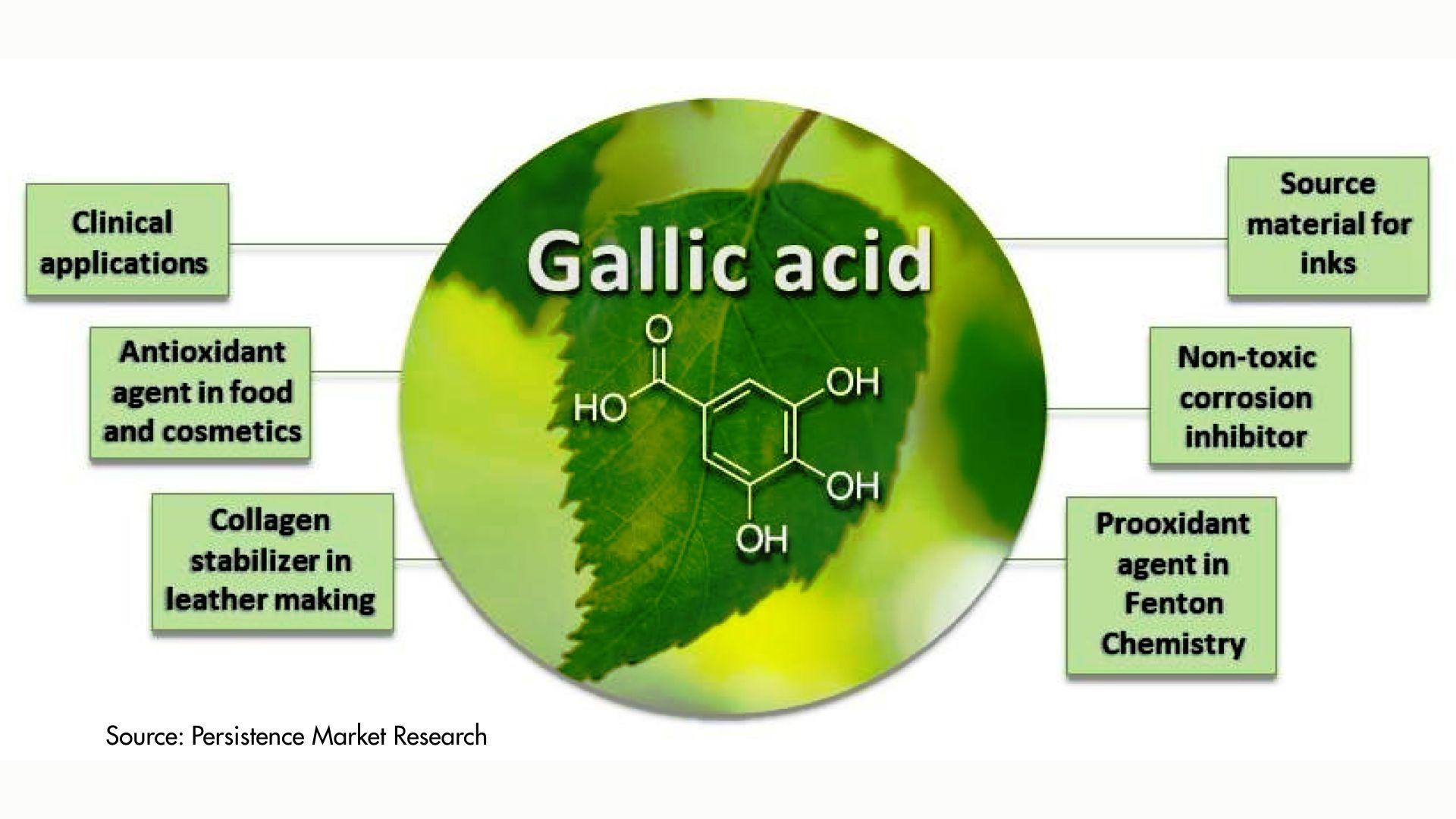
Gallic acid, a naturally occurring organic compound found in plants such as tea leaves, grapes, berries, and oak bark, has gained substantial industrial importance in recent years. Known for its strong antioxidant, antimicrobial, and anti-inflammatory properties, gallic acid is widely used in pharmaceuticals, food & beverages, cosmetics, and chemical manufacturing. As industries increasingly shift toward natural and bio-based ingredients, demand for plant-derived compounds like gallic acid continues to rise. This growing preference for clean-label, sustainable, and health-enhancing ingredients is shaping the global gallic acid market, positioning it as a critical specialty chemical with expanding commercial relevance.
Market Overview: Strong Growth Trajectory Ahead
The global gallic acid market is witnessing steady expansion, driven by increased adoption in healthcare, food preservation, and cosmetic formulations. Manufacturers are investing in improved extraction techniques and sustainable production methods to meet rising demand while ensuring product purity and consistency.
According to a Persistence Market Research report, the global gallic acid market is projected to be valued at US$ 91 million in 2026 and is expected to reach US$ 151 million by 2033. This growth reflects a healthy compound annual growth rate (CAGR) of 7.5% during the forecast period from 2026 to 2033. The upward trend is largely attributed to the growing use of gallic acid in pharmaceutical formulations, antioxidant food additives, and skincare products, as well as increasing consumer awareness of natural health solutions.
Why Is Gallic Acid in High Demand Across Industries?
Gallic acid is in high demand across industries because of its multifunctional properties and natural origin. It acts as a powerful antioxidant that helps prevent oxidation in food products, thereby extending shelf life. In pharmaceuticals, it is valued for anti-inflammatory, antimicrobial, and anticancer research applications. Cosmetic manufacturers use gallic acid for its skin-protective and anti-aging benefits. Additionally, industries are moving away from synthetic additives in favor of plant-based alternatives, increasing reliance on gallic acid. Its availability from renewable botanical sources further supports sustainability goals, making it a preferred ingredient in modern clean-label and eco-conscious product development.
Get Your FREE Sample Report Instantly – Click Now
Key Growth Drivers: What Is Fueling Market Expansion
One of the primary drivers of the gallic acid market is the growing demand for natural antioxidants in the food and beverage industry. Gallic acid is widely used as a preservative to prevent spoilage, improve shelf life, and maintain nutritional quality in processed foods. As consumers increasingly scrutinize ingredient labels and avoid synthetic additives, food manufacturers are integrating naturally derived antioxidants like gallic acid into their formulations.
Another significant growth factor is the expanding pharmaceutical sector. Gallic acid is extensively researched for its potential therapeutic benefits, including anticancer activity, cardiovascular protection, and antimicrobial effects. The rising investment in drug development and herbal medicine has strengthened demand for gallic acid as a key intermediate in pharmaceutical synthesis.
The cosmetics and personal care industry also plays a vital role in market growth. Gallic acid is incorporated into skincare products due to its antioxidant and anti-aging properties. With global beauty brands promoting botanical and organic product lines, demand for plant-based active ingredients continues to rise, directly benefiting the gallic acid market.
Production Methods and Raw Material Trends
Gallic acid is primarily produced through two methods: extraction from natural plant sources and microbial fermentation. Traditionally, it is extracted from tannin-rich plant materials such as gallnuts, sumac leaves, and oak bark. However, modern production increasingly relies on fermentation processes using microorganisms, offering higher purity levels and cost efficiency.
Sustainability has become a key consideration in production methods. Manufacturers are adopting eco-friendly extraction processes and investing in renewable raw material sourcing to minimize environmental impact. This shift toward green chemistry aligns with global sustainability regulations and corporate environmental commitments, strengthening the market’s long-term outlook.
Application Analysis: Expanding Use Across End-User Industries
The food and beverage industry remains one of the largest consumers of gallic acid. It is used as an antioxidant additive in edible oils, beverages, canned foods, and meat products. Its ability to inhibit oxidation and microbial growth makes it an essential preservative in modern food processing.
In pharmaceuticals, gallic acid serves as an intermediate compound in the synthesis of several drugs and therapeutic agents. Ongoing research into its medicinal properties continues to unlock new application possibilities, particularly in oncology and cardiovascular treatments.
The cosmetics sector is another fast-growing application area. Gallic acid is widely used in creams, serums, lotions, and haircare products for skin protection and anti-aging benefits. As consumer demand for herbal and chemical-free beauty products grows, cosmetic brands are incorporating gallic acid as a natural active ingredient.
Additionally, gallic acid finds use in ink manufacturing, textile dyeing, and leather processing, where it acts as a mordant and stabilizing agent. These industrial applications further diversify market demand and enhance revenue potential.
Regional Market Insights: Global Demand Hotspots
Asia Pacific dominates the gallic acid market, primarily due to the availability of raw materials, established herbal medicine traditions, and strong pharmaceutical manufacturing bases in countries like China and India. The region’s growing food processing and cosmetics industries further accelerate market growth.
Europe follows closely, driven by strict food safety regulations and a strong preference for natural additives. European cosmetic and pharmaceutical companies emphasize botanical ingredients, creating sustained demand for gallic acid.
North America is witnessing increasing adoption in dietary supplements, organic food products, and personal care formulations. Rising consumer health awareness and demand for clean-label products contribute to market expansion across the U.S. and Canada.
Emerging markets in Latin America and the Middle East & Africa also present untapped growth opportunities, supported by expanding food industries and rising healthcare investments.
Challenges in the Gallic Acid Market
Despite promising growth, the gallic acid market faces certain challenges. Fluctuations in raw material availability and prices can impact production costs. Natural extraction depends on agricultural output, which is influenced by climate conditions and seasonal variations.
Additionally, maintaining consistent purity levels during extraction and fermentation processes requires advanced technology and strict quality control, which can raise manufacturing costs. Regulatory compliance for food and pharmaceutical applications also adds complexity for producers entering new markets.
However, continuous innovation in fermentation-based production and improved extraction techniques are helping overcome these challenges.
Future Outlook: Innovation and Emerging Opportunities
The future of the gallic acid market looks promising, supported by rising demand for natural and functional ingredients. Advances in biotechnology are expected to improve fermentation efficiency, reduce production costs, and enhance purity levels.
The growing popularity of nutraceuticals and dietary supplements presents a new frontier for gallic acid applications. As consumers increasingly seek preventive healthcare solutions, gallic acid-based formulations are likely to gain strong traction.
Furthermore, expanding research into the compound’s anticancer and neuroprotective properties may unlock breakthrough pharmaceutical applications, driving long-term market expansion.
Conclusion: A Market Positioned for Sustainable Growth
The global gallic acid market is evolving rapidly, driven by rising demand for natural antioxidants, pharmaceutical intermediates, and botanical cosmetic ingredients. With market value projected to grow from US$ 91 million in 2026 to US$ 151 million by 2033 at a CAGR of 7.5%, the industry demonstrates strong revenue potential.
As sustainability, health consciousness, and clean-label trends continue shaping consumer behavior, gallic acid will remain a high-value bio-based compound across multiple industries. Innovation in production technology and expanding end-use applications will further strengthen the market’s growth trajectory, making gallic acid a vital ingredient in the future of natural and functional product development.
Explore the Latest Trending Research Reports:

 English
 Arabic
 French
 Spanish
 Portuguese
 Deutsch
 Turkish
 Dutch
Dutch
 Italiano
 Russian
 Romaian
 Greek
Greek