


Yerba Mate Market Future Prospects Driven by Organic and Premium Products
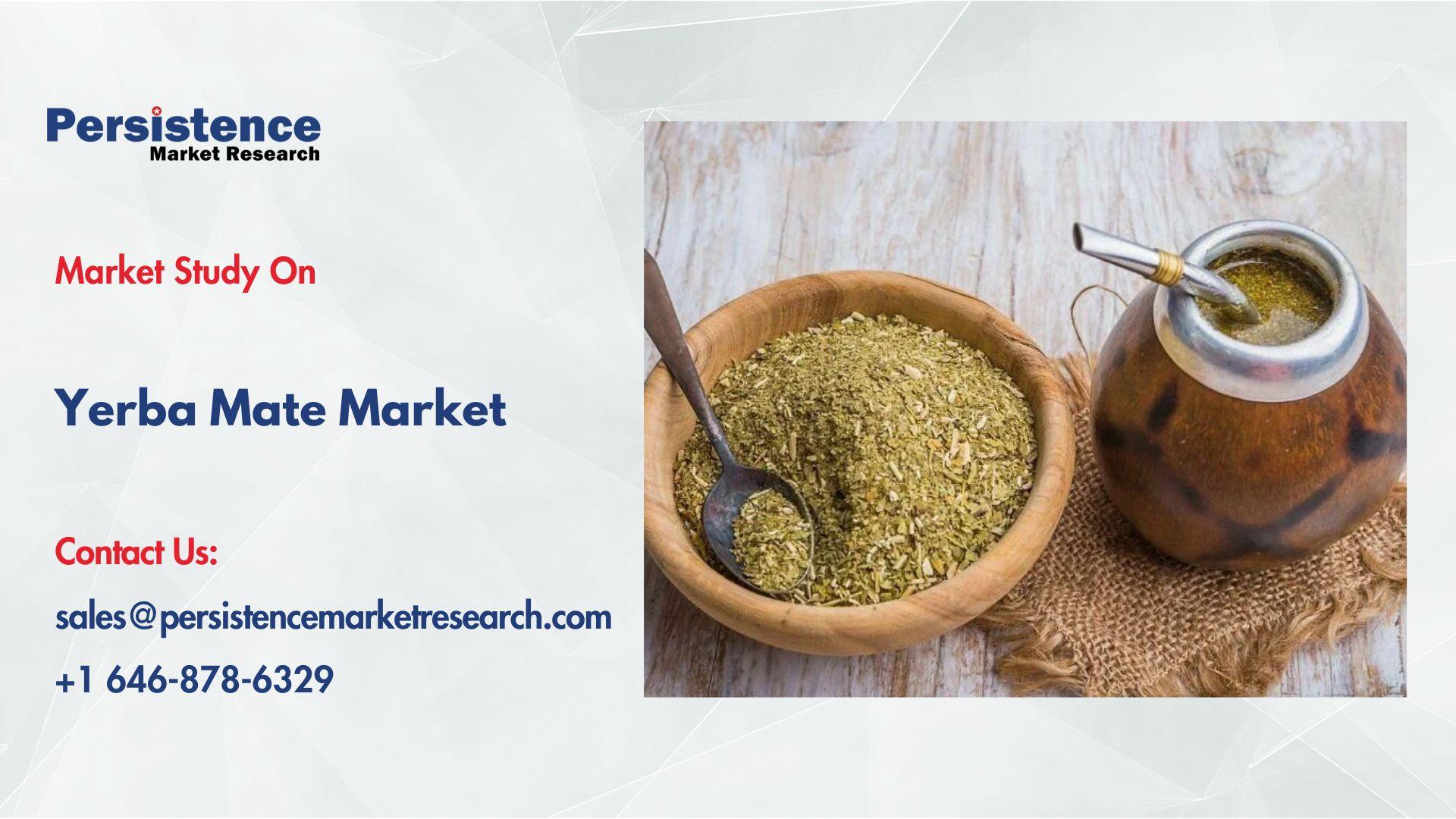
The global yerba mate market is entering a phase of sustained growth, underpinned by rising consumer awareness of functional beverages, shifting lifestyle preferences, and the expanding footprint of traditional South American products in international markets. As of 2026, the global yerba mate market size is likely to be valued at approximately US$ 2.1 billion, reflecting its transition from a regional staple to a globally recognized wellness beverage. Over the forecast period from 2026 to 2033, the market is projected to reach US$ 3.0 billion, expanding at a compound annual growth rate (CAGR) of 5.2%.
This steady growth trajectory is driven by multiple converging factors. Increasing demand for natural, plant-based, and antioxidant-rich beverages has elevated yerba mate as a preferred alternative to conventional caffeinated drinks such as coffee and energy beverages. Yerba mate’s unique nutritional profile, which includes polyphenols, vitamins, minerals, and naturally occurring caffeine, positions it strongly within the health and wellness segment. Furthermore, the growing influence of clean-label trends and consumer scrutiny over artificial additives continues to support market expansion.
In addition to health-related drivers, the globalization of food and beverage culture is playing a significant role. International exposure through specialty cafés, ready-to-drink (RTD) product launches, and premium tea brands has widened consumer access beyond traditional consumption geographies. Rising urbanization, disposable income growth, and the increasing preference for premium beverages further contribute to the positive market outlook.
Get Your FREE Sample Report Instantly – Click Now: https://www.persistencemarketresearch.com/samples/19165
Segmentation Analysis
By Type
By type, the yerba mate market is segmented into traditional yerba mate, flavored yerba mate, organic yerba mate, and blended formulations. Traditional yerba mate continues to account for the largest share of global consumption, particularly in South American countries where cultural significance and long-established consumption habits remain dominant. This segment benefits from strong domestic demand and export stability.
However, flavored and blended yerba mate varieties are witnessing faster growth, especially in North America, Europe, and parts of Asia-Pacific. These products cater to evolving consumer palates and lower the entry barrier for first-time consumers unfamiliar with the traditionally bitter taste of yerba mate. Organic yerba mate is also gaining traction, supported by rising demand for sustainably sourced and chemical-free products. While still representing a smaller share compared to conventional offerings, the organic segment is expected to grow at an above-average rate over the forecast period.
By Product Type
From a product perspective, the market includes loose-leaf yerba mate, tea bags, ready-to-drink beverages, capsules, and extracts. Loose-leaf yerba mate remains the dominant product type globally, particularly in traditional markets where consumption rituals are deeply embedded in daily life. This segment continues to benefit from strong cultural continuity and cost-effectiveness.
In contrast, the ready-to-drink yerba mate segment is emerging as the fastest-growing product category. The increasing demand for convenience-oriented beverages among urban consumers, coupled with innovation in packaging and flavor profiles, has fueled adoption. RTD yerba mate products are often positioned as natural energy drinks, aligning with the preferences of younger demographics and fitness-conscious consumers. Capsules and extracts are also gaining relevance in the nutraceutical and dietary supplement industries, reflecting yerba mate’s expanding application scope beyond beverages.
By Channel
By distribution channel, the market is segmented into offline retail and online retail. Offline retail, including supermarkets, specialty stores, and health food outlets, continues to dominate global sales due to established supply chains and consumer trust. However, online retail channels are experiencing accelerated growth, driven by digital transformation in food retail, broader product availability, and direct-to-consumer strategies adopted by manufacturers. E-commerce platforms have become particularly important for premium, organic, and niche yerba mate brands seeking international exposure.
Need Tailored Insights? Request Customization Now: https://www.persistencemarketresearch.com/request-customization/19165
Regional Insights
Regionally, South America remains the undisputed leader in the global yerba mate market, accounting for the largest revenue share. Countries such as Argentina, Brazil, Paraguay, and Uruguay form the core production and consumption base, supported by favorable agro-climatic conditions, established cultivation practices, and strong domestic demand. Argentina, in particular, continues to dominate global exports, benefiting from large-scale production capacity and well-developed processing infrastructure.
North America represents one of the most significant growth regions outside South America. The United States and Canada are witnessing increasing adoption of yerba mate, driven by rising interest in functional beverages, plant-based nutrition, and natural energy alternatives. The region’s well-developed retail ecosystem and strong presence of innovative beverage startups further accelerate market penetration.
Europe is also emerging as a key market, supported by growing health awareness and demand for premium teas. Countries such as Germany, the United Kingdom, and France are experiencing increased consumption, particularly in organic and specialty segments. Meanwhile, the Asia-Pacific region is projected to be the fastest-growing market over the forecast period. Rapid urbanization, expanding middle-class populations, and growing awareness of global wellness trends are driving adoption in countries such as China, Japan, South Korea, and Australia. The region’s openness to functional beverages and herbal infusions positions it as a critical growth frontier for market participants.
Unique Features and Innovations in the Market
The modern yerba mate market is increasingly characterized by product differentiation, innovation, and technological integration across the value chain. Manufacturers are investing in advanced processing techniques to preserve nutritional content while enhancing flavor consistency and shelf life. Innovations in cold-brew processing, micro-milling, and controlled drying methods are helping producers deliver higher-quality products tailored to international standards.
Technology is also reshaping supply chain management and quality assurance. The integration of data analytics and artificial intelligence is enabling producers to optimize crop yields, forecast demand, and manage inventory more efficiently. Internet of Things (IoT)-enabled sensors are being deployed in cultivation and storage facilities to monitor environmental conditions, ensuring consistent quality and reducing post-harvest losses. While 5G adoption remains at an early stage in agricultural applications, its potential to enhance real-time monitoring and logistics coordination is increasingly recognized by large-scale producers and exporters.
Sustainability-focused innovation is another defining feature of the market. Companies are adopting environmentally responsible farming practices, recyclable packaging solutions, and transparent sourcing models to align with evolving consumer expectations and regulatory requirements. These innovations not only enhance brand differentiation but also contribute to long-term market resilience.
Market Highlights
One of the primary reasons for growing adoption of yerba mate products across industries is their alignment with health, wellness, and sustainability objectives. Beverage manufacturers are leveraging yerba mate’s natural energy-boosting properties to position products as clean alternatives to synthetic energy drinks. The food and nutraceutical industries are also incorporating yerba mate extracts into functional foods and supplements, expanding its application landscape.
Regulatory support for natural and herbal products in several regions has further facilitated market growth. Governments and regulatory bodies are increasingly promoting plant-based nutrition and transparent labeling, which benefits yerba mate producers adhering to quality and sustainability standards. Additionally, cost optimization across cultivation and processing, supported by technological advancements, is enabling producers to maintain competitive pricing while preserving margins.
Sustainability considerations are playing a pivotal role in procurement and branding strategies. Ethical sourcing, fair trade practices, and reduced environmental impact are becoming central to corporate positioning, particularly in developed markets. These factors collectively strengthen the long-term adoption potential of yerba mate products across multiple end-use segments.
Secure Your Full Report – Proceed to Checkout: https://www.persistencemarketresearch.com/checkout/19165
Key Players and Competitive Landscape
The global yerba mate market features a mix of established regional producers and emerging international brands, creating a moderately fragmented competitive landscape. Leading companies continue to focus on capacity expansion, product innovation, and geographic diversification to strengthen their market presence.
Major South American producers remain central to global supply, leveraging extensive cultivation networks and export expertise. These companies focus on maintaining consistent quality, scaling organic production, and strengthening relationships with international distributors. Several players are investing in branding and value-added products to move beyond commodity-level positioning.
International beverage companies and specialty tea brands are increasingly entering the yerba mate space through strategic partnerships, acquisitions, and private-label offerings. Their strategies often emphasize ready-to-drink formulations, premium packaging, and targeted marketing campaigns aimed at younger consumers. Innovation-led startups are also contributing to competitive intensity by introducing novel flavors, functional blends, and digitally driven direct-to-consumer models.
Regional expansion remains a key strategic priority across the industry. Companies are investing in localized processing facilities, distribution partnerships, and regulatory compliance to accelerate entry into high-growth markets such as Asia-Pacific and Europe. Product innovation, particularly in organic and flavored segments, continues to serve as a primary differentiator in competitive positioning.
Looking ahead, future opportunities in the yerba mate market are closely tied to evolving consumer preferences, technological integration, and regulatory developments. Advances in agricultural technology, sustainable packaging, and digital commerce are expected to reshape industry dynamics. Regulatory frameworks promoting transparency, sustainability, and health-focused products will further influence competitive strategies and market structure.
As global demand for functional and natural beverages continues to rise, the yerba mate market is well-positioned to capitalize on long-term growth opportunities. Strategic investments in innovation, sustainability, and international expansion are expected to define success for industry participants over the coming decade.

 English
 Arabic
 French
 Spanish
 Portuguese
 Deutsch
 Turkish
 Dutch
Dutch
 Italiano
 Russian
 Romaian
 Greek
Greek