 English
 Arabic
 French
 Spanish
 Portuguese
 Deutsch
 Turkish
 Dutch
Dutch
 Italiano
 Russian
 Romaian
 Portuguese (Brazil)
 Greek
Greek

Regional Performance Outlook and Future Prospects for the Organic Rice Protein Market (2026–2035)
Other |
2026-02-10 11:44:22
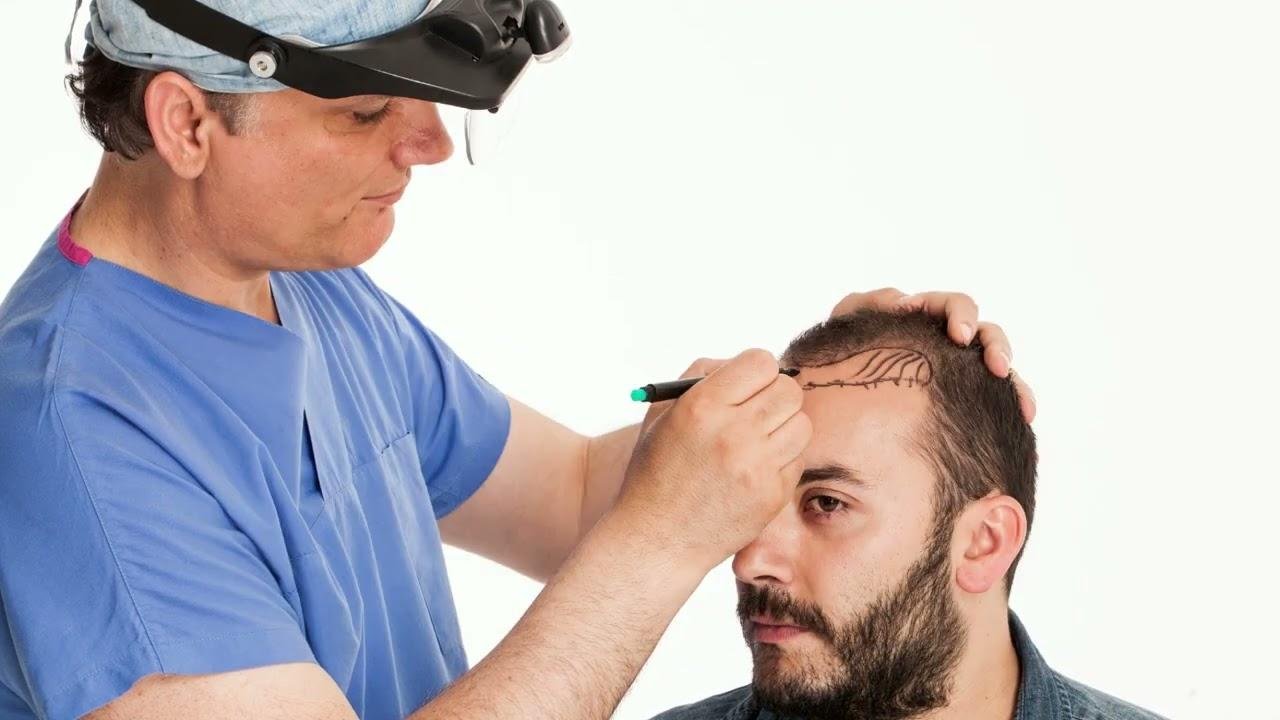
The pursuit of a fuller, more youthful head of hair is a journey that intersects personal confidence with the latest advancements in medical technology. For many individuals across the Eastern Province, addressing hair thinning or receding hairlines has become a priority in maintaining a professional and vibrant image. When considering the various options for restoration, the availability of world-class facilities for hair transplantation in Dammam(زراعة الشعر في الدمام) has transformed the landscape for local residents, offering a permanent solution to what was once a source of significant self-consciousness. This comprehensive guide explores the sophisticated techniques, the biological foundations of the procedure, and the strategic planning required to achieve natural-looking results that stand the test of time in the unique climate of the Kingdom.
To appreciate how a transplant works, one must first understand the "donor dominance" principle. Hair loss, particularly androgenetic alopecia (male or female pattern baldness), is typically caused by a sensitivity to dihydrotestosterone (DHT) in specific areas of the scalp—usually the crown and the frontal hairline. However, the hair follicles at the back and sides of the head are genetically programmed to be resistant to these hormones.
A hair transplant involves the strategic relocation of these "permanent" follicles to the areas of thinning. Once successfully grafted, these follicles retain their genetic resistance to DHT, meaning they will continue to grow for a lifetime in their new location. The success of this biological relocation depends heavily on the "follicular unit"—a natural grouping of one to four hairs, along with their associated sebaceous glands and nerves. Preserving these units during extraction is the cornerstone of modern restoration.
In the modern medical suites of Dammam, the focus has shifted entirely toward minimally invasive methods that prioritize rapid healing and undetectable results. Gone are the days of the "strip method" (FUT), which left a linear scar at the back of the head.
Follicular Unit Extraction (FUE): This remains the gold standard for versatility. Using a precision micro-punch tool (often less than $1.0mm$ in diameter), individual follicles are extracted one by one. This method allows for a "diffuse" harvest, meaning the donor area remains looking thick and natural. FUE is ideal for those who prefer to keep their hair short, as the resulting microscopic scars are virtually invisible to the naked eye.
Direct Hair Implantation (DHI): A further refinement of FUE, DHI utilizes a specialized tool known as a "Choi Implanter Pen." In this approach, the extraction and implantation happen almost simultaneously. The follicle is loaded into the pen and injected directly into the recipient site without the need for pre-made incisions. This technique offers unparalleled control over the angle, depth, and direction of each hair, which is crucial for recreating a natural-looking swirl at the crown or a soft, feathered hairline.
The hallmark of a successful transplant is not just the density of the hair, but the artistry of the design. A "straight" or overly low hairline is a common sign of a poorly executed procedure. Professional restoration in the Eastern Province focuses on "age-appropriate" design.
Macro-Irregularity: Natural hairlines are never perfectly straight; they have subtle undulations and "peaks." Surgeons recreate these irregularities to ensure the eye cannot detect a surgical intervention.
Micro-Irregularity: This involves placing single-hair follicles at the very front of the hairline (the transition zone) and gradually increasing to two- and three-hair units further back to build density. This creates a "soft" look that mimics nature.
Angle and Direction: Hair does not grow straight up. In the temple regions, hair grows downward and backward, while at the crown, it follows a spiral pattern. Precise angulation is what separates a clinical result from a masterpiece.
The environmental conditions in Dammam—characterized by high humidity and intense UV radiation—require a specific post-operative strategy to protect the newly implanted grafts during their "vulnerable window" (the first 10 to 14 days).
Sun Protection: New grafts are highly susceptible to sunburn, which can damage the DNA of the follicle and lead to poor growth. For the first few weeks, patients must avoid direct sun exposure. Once the initial healing is complete, a high-quality hat or specific scalp-friendly SPF is recommended for any outdoor activity.
Hydration and Scalp Health: The salt-heavy air near the coast can dry out the scalp. Using a saline spray provided by the clinic helps keep the grafts hydrated and prevents the formation of thick crusts. Proper hydration ensures that the "scabs" fall off naturally without pulling the follicle with them.
Avoiding Dust and Pollutants: During the first week, the microscopic "channels" where the hair was placed are still closing. Staying in a clean, temperature-controlled environment prevents environmental pollutants from causing irritation or minor infections.
Patience is the most important virtue in hair restoration. The journey from the procedure to the final result is a slow, biological process.
The "Shedding" Phase (Weeks 2–8): Almost every patient experiences "shock loss," where the newly transplanted hair shafts fall out. This is a normal part of the process. The follicle itself remains healthy and dormant under the skin; it is simply entering a new growth cycle.
The Emergence (Months 3–6): New, fine hairs begin to break through the surface. At first, they may appear thin or slightly curly, but they will thicken and straighten over time as the blood supply to the follicle strengthens.
The Final Reveal (Months 12–18): By the one-year mark, most patients see approximately $90\%$ of their final result. The hair can now be cut, styled, and treated exactly like your original hair.
The decision to undergo a transplant is a significant investment in one's self-image. Several variables determine the scope of the procedure:
Graft Count: The number of follicles required to achieve the desired density. A minor hairline touch-up may require $1,500$ grafts, while extensive crown thinning might require $4,000$ or more.
Donor Density: The success of the procedure is limited by the "supply." Those with thick, healthy hair at the back of the head have a much larger reservoir to draw from.
Clinic Technology: The use of robotic assistance or high-magnification microscopes for graft sorting can influence the overall quality and survival rate of the hair.
A hair transplant restores the hair you have lost, but it does not stop the progression of future loss in non-transplanted areas. To protect the investment, many individuals in Dammam adopt a comprehensive maintenance routine. This often includes medical therapies to stabilize existing hair, nutritional support focused on Biotin and Zinc, and regular scalp health check-ups. By combining the permanent results of a transplant with a proactive approach to hair health, patients can enjoy a full head of hair that lasts a lifetime.


