
Top 10 Ways to Prevent Fatigue While Living With an LVAD
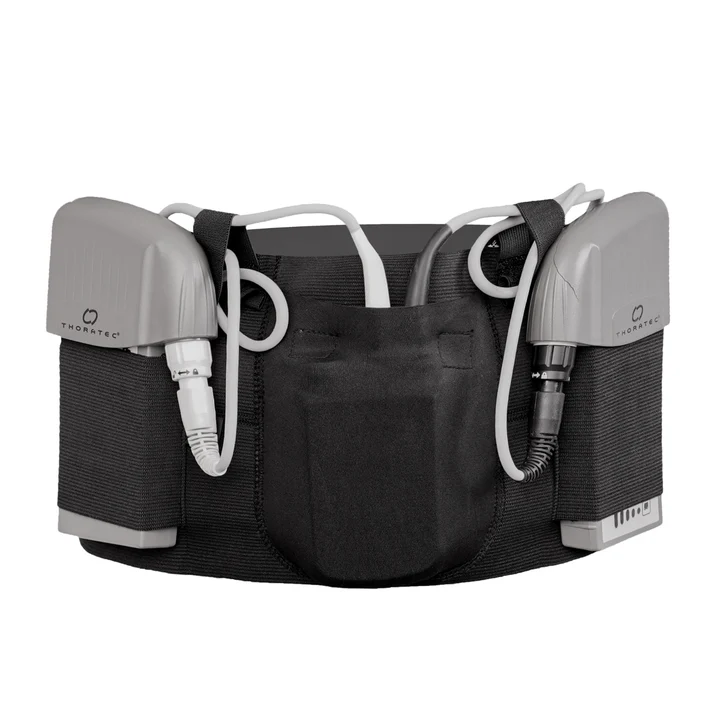
Fatigue is one of the most frequently reported challenges among individuals living with a Left Ventricular Assist Device (LVAD). An LVAD is a mechanical circulatory support device that assists the left ventricle in pumping blood to the body and is commonly used in patients with advanced heart failure, either as destination therapy or as a bridge to transplant. According to clinical guidance from the American Heart Association and peer-reviewed cardiovascular research, while LVADs significantly improve cardiac output and survival rates, patients may still experience physical and mental fatigue due to the underlying heart condition, device management demands, medication regimens, and lifestyle adjustments.
Preventing fatigue in LVAD patients requires a structured, multidisciplinary approach that integrates cardiovascular optimization, energy conservation strategies, nutritional management, psychological support, and effective use of supportive tools such as properly designed lvad accessories and an appropriate lvad dressing kit.
This article presents ten evidence-informed strategies used in clinical and rehabilitation settings to help LVAD patients maintain energy levels, enhance quality of life, and reduce preventable exhaustion. Each section reflects current standards of cardiac care and long-term device management best practices.
1. Optimize Cardiac and Device Function Through Regular Clinical Monitoring
Fatigue in LVAD patients often correlates with suboptimal device parameters or unresolved cardiac dysfunction. Regular follow-up appointments with a heart failure specialist ensure:
-
Proper LVAD speed settings
-
Stable flow parameters
-
Controlled blood pressure
-
Therapeutic anticoagulation levels
Device alarms, low-flow events, or blood pressure instability can increase physiological stress and worsen fatigue. Professional monitoring helps identify issues early, preventing energy-draining complications such as anemia, dehydration, or infection.
Routine echocardiography and laboratory assessments (hemoglobin, renal function, electrolytes) are critical components of fatigue prevention.
2. Follow Structured Cardiac Rehabilitation Programs
Cardiac rehabilitation is widely recognized as a gold standard in post-LVAD care. Supervised rehabilitation improves:
-
Skeletal muscle strength
-
Aerobic endurance
-
Oxygen utilization efficiency
-
Functional capacity (measured in METs or six-minute walk distance)
Deconditioning significantly contributes to fatigue. Even moderate-intensity activity, when prescribed and supervised, improves mitochondrial efficiency in muscle tissue and reduces perceived exertion.
Clinical rehabilitation programs tailor exercise intensity using heart failure–specific protocols to ensure safety and gradual conditioning.
3. Prioritize Iron and Hemoglobin Management
Anemia is common in advanced heart failure and LVAD patients. Low hemoglobin reduces oxygen delivery to tissues, leading to persistent fatigue.
Professional management includes:
-
Routine hemoglobin monitoring
-
Iron studies (ferritin, transferrin saturation)
-
Intravenous iron therapy when indicated
-
Nutritional adjustments
Correcting iron deficiency has been shown in cardiovascular studies to significantly improve functional status and reduce fatigue scores.
4. Maintain Meticulous Driveline Care to Prevent Infection-Related Fatigue
Driveline infections are a major cause of systemic fatigue. Even low-grade infections increase inflammatory cytokines, which contribute to physical exhaustion.
Proper driveline care includes:
-
Daily sterile dressing changes
-
Clean, dry securement
-
Routine inspection for redness or drainage
Using a well-organized lvad dressing kit ensures that sterile supplies are consistently available and properly used. Standardized dressing protocols reduce infection rates and help maintain energy by preventing inflammatory complications.
Clinical teams recommend structured training to ensure patients and caregivers follow evidence-based dressing techniques.
5. Improve Sleep Hygiene and Address Sleep Disorders
Sleep disturbances are common among LVAD recipients. Contributing factors include:
-
Device noise sensitivity
-
Anxiety
-
Sleep apnea (frequently present in heart failure patients)
-
Nocturia from diuretics
Poor sleep directly exacerbates fatigue. Professional strategies include:
-
Sleep apnea screening and CPAP therapy when indicated
-
Consistent sleep schedules
-
Proper device positioning to reduce discomfort
-
Limiting stimulants before bedtime
Sleep optimization improves cognitive clarity and daytime stamina.
6. Use Ergonomic and Supportive LVAD Accessories
Daily management of LVAD equipment can become physically draining if poorly supported. Secure, well-designed lvad accessories help distribute weight evenly and reduce musculoskeletal strain.
Benefits include:
-
Reduced shoulder and neck tension
-
Improved posture
-
Greater mobility confidence
-
Lower energy expenditure during daily activities
Accessories that stabilize batteries and controllers prevent repeated adjustments and awkward carrying positions, which otherwise contribute to fatigue over time.
Professional LVAD coordinators frequently recommend structured carrying systems to improve comfort and energy conservation.
7. Implement Energy Conservation Techniques
Occupational therapists teach energy conservation strategies specifically for cardiac patients. These include:
-
Activity pacing
-
Task prioritization
-
Scheduled rest intervals
-
Seated task modifications
-
Breaking larger tasks into smaller segments
Energy conservation is not inactivity; it is strategic effort management. By preventing overexertion, patients avoid post-activity crashes that prolong fatigue.
Structured daily planning significantly improves perceived energy levels.
8. Maintain Adequate Hydration and Electrolyte Balance
Dehydration can trigger low-flow alarms and worsen fatigue. However, fluid intake must remain balanced with heart failure fluid restrictions.
Professional guidance typically includes:
-
Individualized daily fluid targets
-
Sodium management
-
Electrolyte monitoring
-
Prompt evaluation of dizziness or weakness
Maintaining stable volume status reduces physiological stress and improves energy stability.
9. Support Mental Health and Emotional Well-Being
Psychological fatigue often accompanies physical fatigue. Anxiety about device management, fear of complications, and lifestyle limitations contribute to mental exhaustion.
Evidence-based approaches include:
-
Structured counseling
-
Cognitive behavioral therapy
-
Peer support groups
-
LVAD patient education programs
Psychological resilience improves overall energy levels and coping capacity.
10. Maintain Balanced Nutrition With Heart-Failure-Specific Guidelines
Nutrition directly affects energy metabolism. LVAD patients benefit from:
-
Adequate protein intake for muscle preservation
-
Controlled sodium intake
-
Balanced carbohydrate consumption
-
Small, frequent meals to avoid postprandial fatigue
Registered dietitians specializing in cardiac care tailor plans to prevent malnutrition, which can worsen fatigue.
Expert Best Practices in Fatigue Prevention
Professionals managing LVAD patients emphasize a multidisciplinary approach that includes:
-
Cardiology oversight
-
Infectious disease monitoring
-
Physical therapy
-
Occupational therapy
-
Nutritional counseling
-
Mental health support
Best outcomes occur when fatigue prevention is addressed proactively rather than reactively. Structured follow-up schedules and standardized care pathways significantly reduce complications that contribute to exhaustion.
Common Mistakes and Misconceptions
Fatigue Is Inevitable and Cannot Be Improved
While some fatigue may persist due to underlying heart disease, many contributing factors are modifiable.
Rest Alone Solves Fatigue
Excessive rest leads to deconditioning, which worsens long-term fatigue.
Device Weight Is a Minor Issue
Improper support of LVAD equipment can significantly increase musculoskeletal strain and energy expenditure.
Dressing Changes Are Only About Infection
Poor technique can increase stress, discomfort, and inflammation, indirectly worsening fatigue.
Conclusion
Preventing fatigue while living with an LVAD requires coordinated clinical oversight, structured rehabilitation, proper infection prevention, optimized nutrition, psychological support, and effective equipment management. Fatigue is multifactorial and often manageable when addressed through evidence-based strategies. Through consistent monitoring, disciplined self-care practices, and professional guidance, individuals living with an LVAD can significantly improve energy levels, maintain independence, and enhance long-term quality of life.
FAQs
1. Why do some LVAD patients still experience fatigue despite improved cardiac output?
Fatigue may result from anemia, deconditioning, medication side effects, sleep disorders, or psychological stress rather than cardiac output alone.
2. How often should LVAD parameters be checked to prevent fatigue?
Clinical teams typically monitor parameters during scheduled follow-ups, with additional checks if symptoms arise.
3. Can exercise worsen fatigue in LVAD patients?
Improper or unsupervised exercise may increase fatigue, but structured cardiac rehabilitation improves energy levels.
4. How does infection contribute to fatigue?
Infections activate inflammatory responses that increase metabolic demand and systemic exhaustion.
5. Are nutritional supplements recommended?
Supplement use should be guided by laboratory findings and professional consultation to avoid interactions with anticoagulation therapy.
6. Does sleep apnea affect LVAD patients differently?
Sleep apnea can worsen oxygenation and fatigue; diagnosis and treatment significantly improve daytime energy.
7. How do supportive carrying systems reduce fatigue?
They reduce musculoskeletal strain and prevent repetitive adjustments, conserving energy.

 English
 Arabic
 French
 Spanish
 Portuguese
 Turkish
 Dutch
Dutch
 Italiano
 Russian
 Romaian
 Portuguese (Brazil)
 Greek
Greek