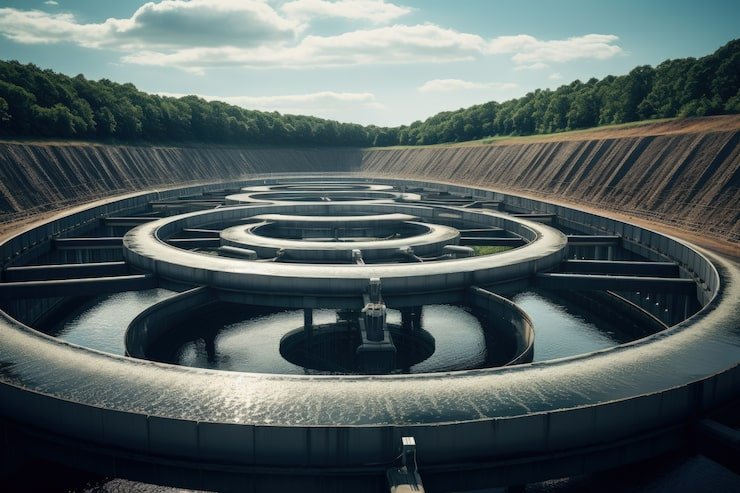
Operating a modern industrial manufacturing plant requires a reliable wastewater pretreatment system to manage complex and variable effluent streams. High concentrations of suspended solids, emulsified lubricants, and chemical flocs must be quickly removed to protect municipal infrastructure and environment. Integrating an advanced water treatment framework allows industrial facilities to treat large volumes of wastewater efficiently while lowering daily operational costs.
Overcoming the Limits of Traditional Gravity Settling
Conventional gravity clarifiers require long retention times and a large physical footprint to separate fine suspended matter from water. Lightweight particles, such as emulsified fats, oils, and fine chemical flocs, often resist gravity settling and remain suspended in the water column. Advanced flotation technology solves this problem by using microscopic air bubbles to lift light contaminants to the surface for fast mechanical removal.
Operating Mechanics of Dissolved Air Flotation Units
A Dissolved Air Flotation (DAF) system utilizes the physics of pressure differentials to achieve high-speed solid-liquid separation. Introducing millions of microscopic air bubbles into the wastewater stream accelerates the clarification process far beyond traditional gravity-based settling systems.
Micro-Bubble Generation Mechanics
The performance of an industrial DAF system depends on its specialized air-saturation and pressure-release mechanism. A high-pressure recycle pump directs a portion of the clean water into a pressurized saturation vessel where atmospheric air is dissolved into the fluid.
When this air-saturated water is released into the main flotation tank at atmospheric pressure, it generates a dense cloud of 20-to-50-micron bubbles. These micro-bubbles attach to chemical flocs, lifting them to the surface to form a thick, floating sludge layer that is easily skimmed off.
Core Performance Benefits of DAF Units
- Reduced Physical Footprint: Operates at surface loading rates 2 to 4 times faster than traditional gravity clarifiers, saving valuable factory floor space.
- Excellent Oil Removal: Easily separates emulsified oils, fats, and greases that standard gravity-based sedimentation systems cannot catch.
- Highly Concentrated Sludge: Produces a thick floating scum layer with low water content, reducing the load on downstream dewatering equipment.
Advanced Structural Features of Wuxi Yosun Systems
Industrial manufacturing operations require heavy-duty wastewater equipment engineered for continuous operation and long-term mechanical reliability. Wuxi Yosun Environmental Protection Equipment Co., Ltd. utilizes nearly two decades of manufacturing experience to produce highly optimized separation machinery.
High-Efficiency Shallow Flotation Systems
The High-Efficiency Shallow Air Flotation Machine represents a major design improvement over traditional, deep-tank clarification systems. By combining the shallow pool principle with a specialized “zero speed” water distribution design, wastewater enters the basin smoothly without creating disruptive turbulence. This quiet environment allows delicate flocs to bind securely with micro-bubbles, maximizing separation efficiency across the tank.
High-Performance Lamella Plate Clarifiers
For manufacturing plants dealing with heavy mineral grit alongside floating organic solids, an advanced Lamella Clarifier provides an ideal mechanical solution. This design utilizes a series of closely spaced, inclined plates to greatly expand the effective settling area within a compact footprint. Yosun customizes plate materials and spacing distances to match specific wastewater conditions, preventing internal clogging and buildup.
Critical Industrial Deployments for Specialized DAF Equipment
Custom-configured solid-liquid separation machinery delivers reliable wastewater pretreatment across a wide variety of demanding industrial sectors worldwide. Each industry presents unique effluent challenges that require targeted equipment configurations.
Commercial Food Processing and Dairy Plants
Meat packing facilities and commercial dairies produce wastewater containing high concentrations of animal proteins, milk fats, and grease. A DAF system quickly lifts these floating organic pollutants out of the waste stream, preventing fermentation and severe odor issues inside the plant. Removing these fats early protects downstream biological filters from greasy coatings that reduce treatment efficiency.
Industrial Chemical and Petrochemical Refining
Chemical manufacturing facilities and petroleum refineries generate complex wastewater filled with emulsified hydrocarbons, fine catalysts, and synthetic polymers. High-efficiency DAF systems easily break tough oil-water emulsions, bringing light chemical particles to the surface for fast removal. This step enables plants to reclaim valuable oils while preparing the water for safe secondary treatment.
Integrating Automated Secondary Systems for Maximum Efficiency
Achieving consistent wastewater treatment requires integrating multiple automated auxiliary systems to work smoothly alongside the primary clarification unit. Combining automated chemical preparation with mechanical dewatering ensures the entire plant operates at peak efficiency.
Automated Polymer Dosing Systems
Raw industrial wastewater usually requires chemical conditioning to form larger, more stable particle clusters before entering the flotation stage. An automatic polymer dosing system continuously prepares and adds precise chemical amounts based on incoming water flow. This automated control builds robust flocs that easily trap micro-bubbles, ensuring high separation efficiency even during fluctuating flow rates.
Mechanical Sludge Dewatering Solutions
The floating sludge layer removed by the DAF skimmer contains a high percentage of water and must be concentrated before disposal. A continuous dewatering screw press provides a highly reliable method for reducing this sludge volume. Its internal screw uses progressive mechanical compression to squeeze water out through a fine screen mesh, producing a compact, low-moisture cake that significantly lowers hauling and disposal expenses.
Strategic Selection Motives for Global Procurement Teams
Sourcing large-scale environmental machinery requires partnering with a manufacturer that combines strong production capacity with reliable technical support. Procurement managers prioritize suppliers that can deliver custom solutions quickly without compromising structural quality.
Fast Manufacturing Timelines and Global Delivery
Wuxi Yosun coordinates all equipment fabrication within a modern 3,000 square meter manufacturing facility. This extensive production capacity enables a fast delivery cycle of under one month, helping clients avoid lengthy delays during facility upgrades. Additionally, the company’s application engineering team provides custom solution blueprints within 8 hours to fit precise factory footprints.
Globally Certified Industrial Durability
With nearly 20 years of focus on solid-liquid separation technology, Yosun has successfully delivered over 500 projects across 30 countries. All structural components are built from heavy-duty stainless steel to ensure a long operational lifespan in highly corrosive industrial environments. This dependable construction has made Yosun a trusted equipment partner for global organizations, including Pepsi and China National Petroleum Corporation.
Conclusion and Technical Summary
Deploying modern solid-liquid separation technology is essential for running a highly efficient industrial facility that meets modern environmental standards. High-performance Dissolved Air Flotation units give operators precise control over difficult wastewater streams, easily removing suspended solids, oils, and chemical flocs. Partnering with an experienced manufacturer ensures your treatment plant stays reliable, efficient, and fully compliant.
Investing in robust wastewater equipment lowers long-term maintenance costs and minimizes unexpected downtime across your factory operations. Custom-configured systems deliver reliable solid-liquid separation while optimizing energy consumption during continuous heavy industrial use. This advanced engineering provides modern factories with a dependable pathway to achieve sustainable water management goals.