



When users compare solar companies for panels, the real concern usually goes beyond panel wattage. The question is whether the entire system will work as expected once it is installed, expanded, or pushed beyond basic use. PowerHome approaches this from a system perspective, offering solar energy systems built around compatibility, electrical efficiency, and long-term reliability. The focus remains on how photovoltaic components, inverters, and control devices function together under real operating conditions.
Many projects begin with a simple requirement, such as reducing grid dependence, but quickly evolve. This is where a capable solar equipment supplier matters. PowerHome’s solar power solutions are structured so users can start with a core setup and later add battery storage, higher-capacity inverters, or additional arrays. Power inverters industrial-grade models are selected for stable conversion efficiency and thermal performance, which becomes critical in continuous-duty or mixed-load environments.
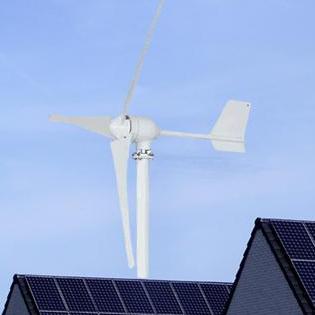
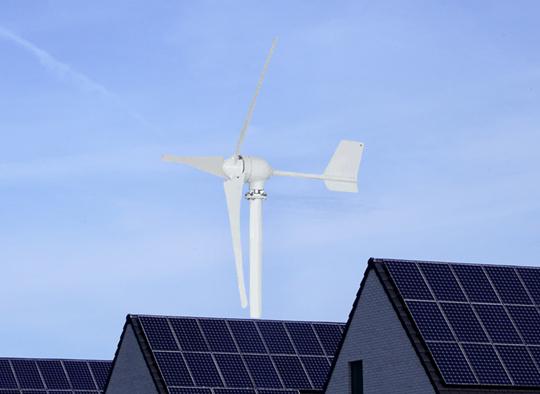
Off-grid and hybrid applications reveal the practical strength of the product range. Off grid solar kits are configured to support cabins, remote work sites, and backup power installations where grid access is unreliable or unavailable. For users seeking diversified generation, solar + wind hybrid systems allow solar hardware to integrate with wind input, improving consistency during seasonal or nighttime gaps. These setups rely heavily on robust solar inverter solutions and properly matched charge regulation.
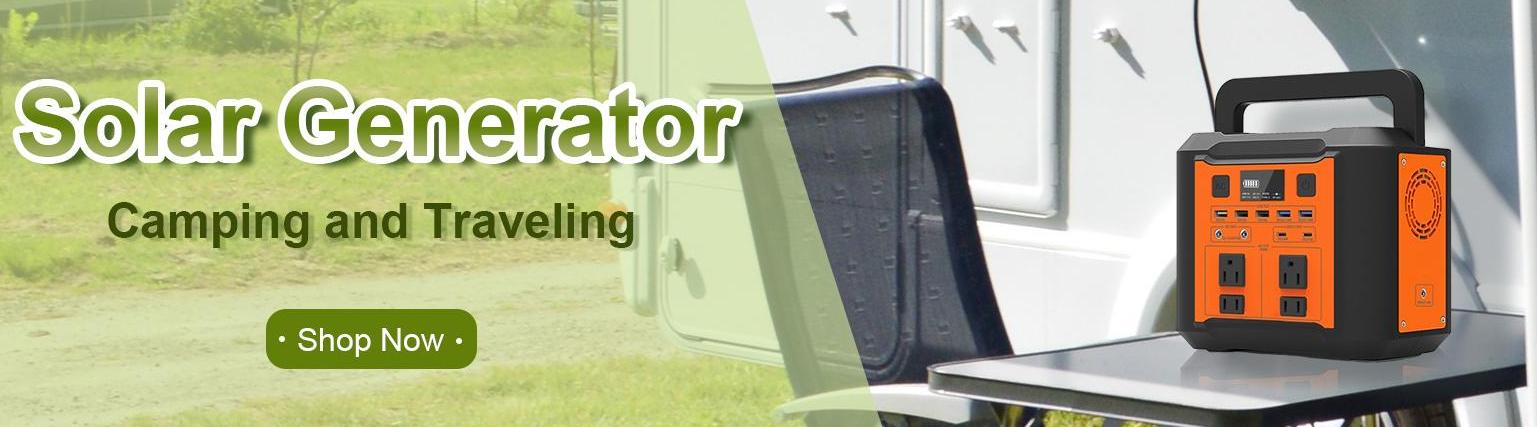
Another frequent challenge is power management beyond basic AC conversion. Solar generator systems and DC-DC power converters are often required when systems supply vehicles, telecom equipment, or specialized electronics. PowerHome addresses this by offering components designed to manage voltage transitions efficiently, minimizing losses while protecting downstream devices. This level of detail matters when renewable power products are expected to operate autonomously for long periods.
Installers and technically inclined buyers also value clear guidance. Solar installation support includes documentation that addresses wiring layouts, system sizing logic, and controller selection. Acting as a solar charge controller supplier, PowerHome ensures controllers are specified with accurate current ratings and protection features, reducing common field failures related to overloading or mismatched inputs.
From a system engineering standpoint, consistency is the recurring theme. Solar system engineering is reflected in how components are rated to work together, not just in isolation. This reduces troubleshooting time and makes future expansion predictable rather than risky. For users evaluating solar companies for panels, this product-driven approach simplifies decision-making.
By serving as a central source for solar power hardware, PowerHome supports projects that range from modest residential systems to complex, multi-source energy setups. The value lies in dependable equipment and system coherence, not exaggerated claims.
Many projects begin with a simple requirement, such as reducing grid dependence, but quickly evolve. This is where a capable solar equipment supplier matters. PowerHome’s solar power solutions are structured so users can start with a core setup and later add battery storage, higher-capacity inverters, or additional arrays. Power inverters industrial-grade models are selected for stable conversion efficiency and thermal performance, which becomes critical in continuous-duty or mixed-load environments.
Off-grid and hybrid applications reveal the practical strength of the product range. Off grid solar kits are configured to support cabins, remote work sites, and backup power installations where grid access is unreliable or unavailable. For users seeking diversified generation, solar + wind hybrid systems allow solar hardware to integrate with wind input, improving consistency during seasonal or nighttime gaps. These setups rely heavily on robust solar inverter solutions and properly matched charge regulation.
Another frequent challenge is power management beyond basic AC conversion. Solar generator systems and DC-DC power converters are often required when systems supply vehicles, telecom equipment, or specialized electronics. PowerHome addresses this by offering components designed to manage voltage transitions efficiently, minimizing losses while protecting downstream devices. This level of detail matters when renewable power products are expected to operate autonomously for long periods.
Installers and technically inclined buyers also value clear guidance. Solar installation support includes documentation that addresses wiring layouts, system sizing logic, and controller selection. Acting as a solar charge controller supplier, PowerHome ensures controllers are specified with accurate current ratings and protection features, reducing common field failures related to overloading or mismatched inputs.
From a system engineering standpoint, consistency is the recurring theme. Solar system engineering is reflected in how components are rated to work together, not just in isolation. This reduces troubleshooting time and makes future expansion predictable rather than risky. For users evaluating solar companies for panels, this product-driven approach simplifies decision-making.
By serving as a central source for solar power hardware, PowerHome supports projects that range from modest residential systems to complex, multi-source energy setups. The value lies in dependable equipment and system coherence, not exaggerated claims.
Cerca

 English
 Arabic
 French
 Spanish
 Portuguese
 Deutsch
 Turkish
 Dutch
Dutch
 Russian
 Romaian
 Portuguese (Brazil)
 Greek
Greek
Aggiornamenti recenti
-
Choosing solar panels is only the first step.
What really matters is whether the entire system performs reliably over time.
From photovoltaic components to industrial-grade inverters and off-grid solutions, PowerHome focuses on system-level compatibility and long-term performance.
Explore solar solutions designed to scale, adapt, and work under real operating conditions.
Learn more: https://www.powerhome.com/Choosing solar panels is only the first step. What really matters is whether the entire system performs reliably over time. From photovoltaic components to industrial-grade inverters and off-grid solutions, PowerHome focuses on system-level compatibility and long-term performance. Explore solar solutions designed to scale, adapt, and work under real operating conditions. 🔗 Learn more: https://www.powerhome.com/0 Commenti 0 condivisioni 31 Views 0 Anteprima
Altre storie