Rising Surgical Adoption Driving New Opportunities in the Bone Void Fillers Market
The Bone Void Fillers Market is witnessing strong momentum as orthopedic, trauma, and dental surgeons continue to adopt advanced biomaterials that enhance healing efficiency and improve surgical outcomes. Over the last decade, bone void fillers have become an indispensable component in fracture repair, reconstructive procedures, spinal fusion, oral surgeries, and oncology-related bone defect management. Traditional grafting techniques, particularly autografts, have limitations such as donor-site pain, restricted supply, longer recovery time, and increased surgical burden. These challenges have shifted practitioners toward synthetic and composite fillers, which offer predictable quality, consistent availability, and improved biocompatibility. Many of these fillers are designed to integrate seamlessly with native bone, providing both structural support and osteoconductive properties that guide natural regeneration. Clinicians today seek products with optimized pore size, controlled resorption timelines, and ease of application, enabling them to deliver superior patient outcomes. Meanwhile, advancements in regenerative medicine have paved the way for more sophisticated formulations, including bioactive materials, surface-modified ceramics, and injectable pastes that adapt to irregular defect shapes. These trends are further strengthened by the rising global burden of osteoporosis and trauma injuries, which continue to increase surgical intervention rates across hospitals and specialized orthopedic centers. As bone-related conditions become more common due to aging populations and lifestyle changes, the market continues to evolve with a strong emphasis on clinical reliability, material innovation, and patient-centered solutions that minimize complications while accelerating recovery.
Get Full Reports:
https://www.marketresearchfuture.com/reports/bone-void-filler-market-32038
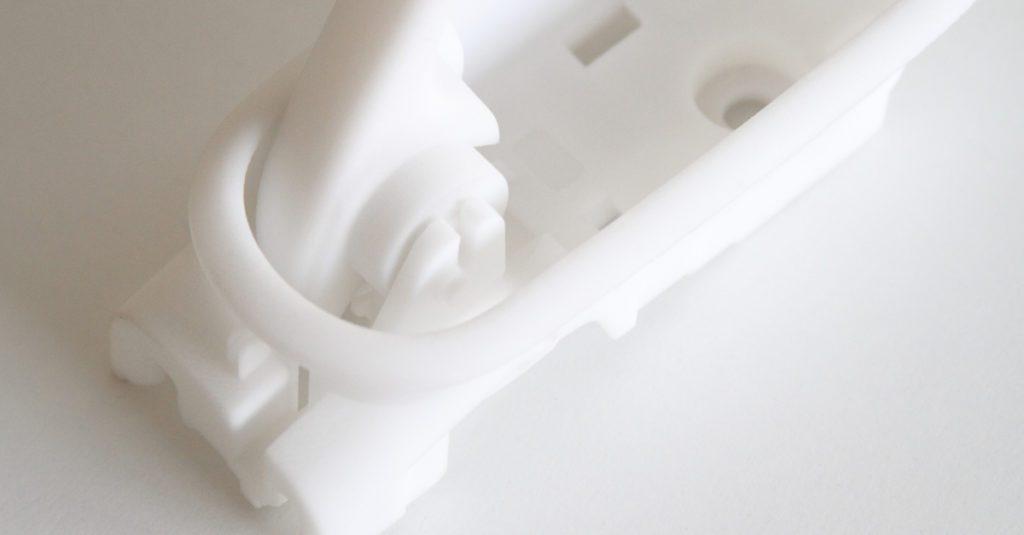
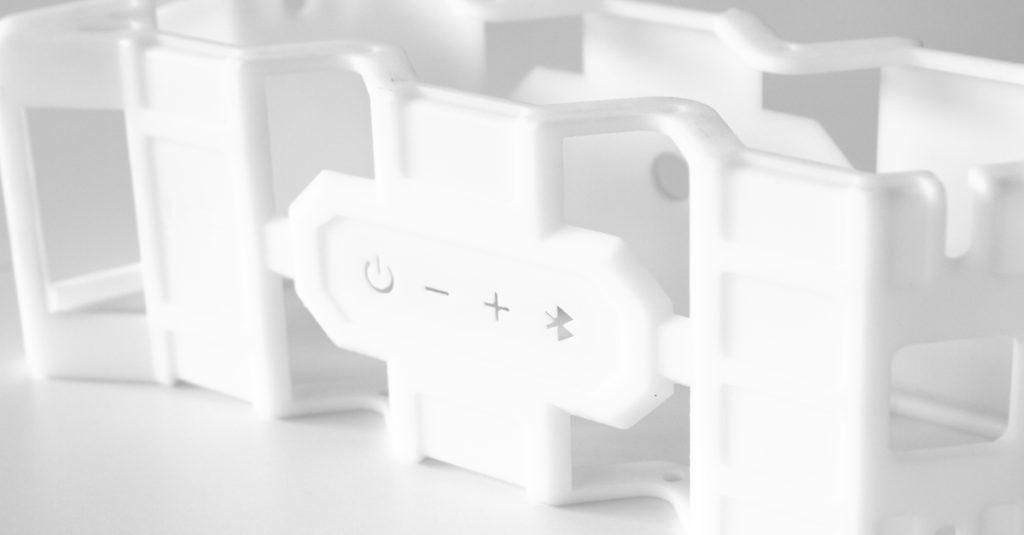
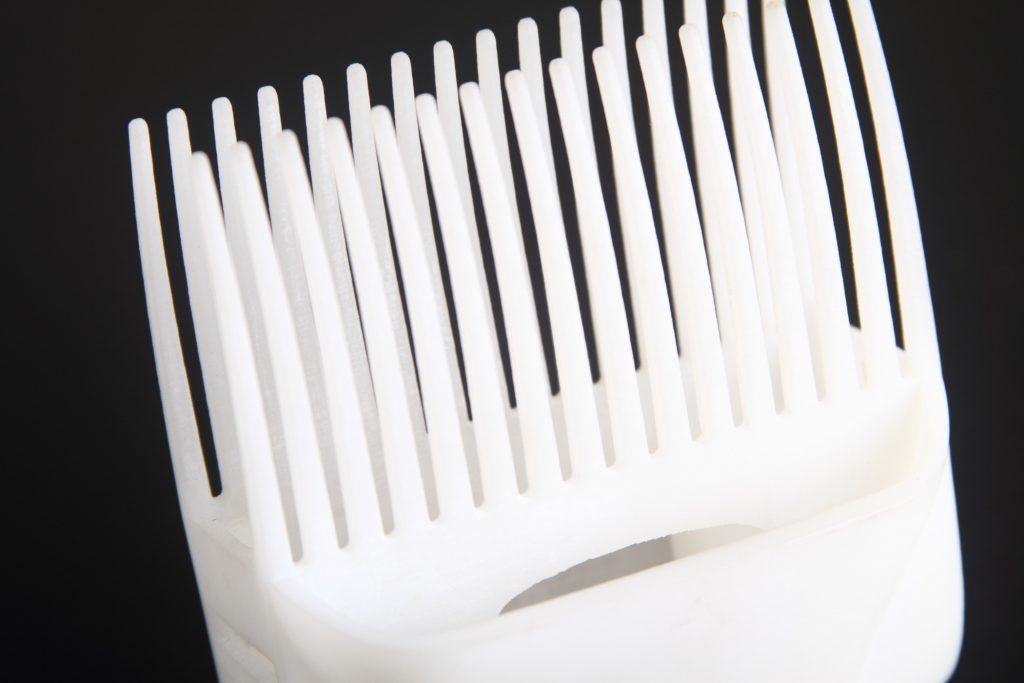
Innovation and technological integration remain key drivers shaping the future of the Bone Void Fillers Market. Manufacturers are investing heavily in research aimed at developing materials that offer improved mechanical strength, superior biological performance, and enhanced adaptability across diverse surgical contexts. 3D printing is becoming a game changer in orthopedic reconstruction, allowing for patient-specific fillers that conform precisely to anatomical structures. These custom-made solutions reduce surgical time, lower complication risks, and improve functional recovery compared to conventional materials. Alongside customizability, the industry is witnessing growth in hybrid biomaterials that combine biodegradable polymers, growth-stimulating minerals, and bioactive coatings to promote stronger and faster bone regeneration. As adoption of such advanced solutions increases, stakeholders across the healthcare ecosystem require clear insight into market performance, competitive landscapes, regulatory developments, and emerging innovations. Comprehensive resources such as the report provide valuable data that helps medical institutions, manufacturers, and investors make strategic decisions. With global healthcare systems investing more in orthopedic infrastructure and research institutions driving rapid material advancements, the Bone Void Fillers Market is poised for substantial expansion in the coming years, fueled by technological breakthroughs, increasing surgical volumes, and growing awareness of advanced regenerative options among clinicians and patients.
FAQs
1. Why are bone void fillers preferred over traditional bone grafts?
Bone void fillers eliminate the need for donor-site harvesting, reduce surgical time, and minimize complications, making them a safer and more efficient alternative to traditional autografts.
2. Which sectors use bone void fillers most frequently?
They are widely used in orthopedic trauma care, dental implantology, spine surgery, oncology, and reconstructive surgeries to repair bone defects.
3. What innovations are shaping the Bone Void Fillers Market?
Key innovations include 3D-printed fillers, bioactive materials, hybrid biomaterials, and injectable formulations designed for minimally invasive procedures.
Rising Surgical Adoption Driving New Opportunities in the Bone Void Fillers Market
The Bone Void Fillers Market is witnessing strong momentum as orthopedic, trauma, and dental surgeons continue to adopt advanced biomaterials that enhance healing efficiency and improve surgical outcomes. Over the last decade, bone void fillers have become an indispensable component in fracture repair, reconstructive procedures, spinal fusion, oral surgeries, and oncology-related bone defect management. Traditional grafting techniques, particularly autografts, have limitations such as donor-site pain, restricted supply, longer recovery time, and increased surgical burden. These challenges have shifted practitioners toward synthetic and composite fillers, which offer predictable quality, consistent availability, and improved biocompatibility. Many of these fillers are designed to integrate seamlessly with native bone, providing both structural support and osteoconductive properties that guide natural regeneration. Clinicians today seek products with optimized pore size, controlled resorption timelines, and ease of application, enabling them to deliver superior patient outcomes. Meanwhile, advancements in regenerative medicine have paved the way for more sophisticated formulations, including bioactive materials, surface-modified ceramics, and injectable pastes that adapt to irregular defect shapes. These trends are further strengthened by the rising global burden of osteoporosis and trauma injuries, which continue to increase surgical intervention rates across hospitals and specialized orthopedic centers. As bone-related conditions become more common due to aging populations and lifestyle changes, the market continues to evolve with a strong emphasis on clinical reliability, material innovation, and patient-centered solutions that minimize complications while accelerating recovery.
Get Full Reports:https://www.marketresearchfuture.com/reports/bone-void-filler-market-32038
Innovation and technological integration remain key drivers shaping the future of the Bone Void Fillers Market. Manufacturers are investing heavily in research aimed at developing materials that offer improved mechanical strength, superior biological performance, and enhanced adaptability across diverse surgical contexts. 3D printing is becoming a game changer in orthopedic reconstruction, allowing for patient-specific fillers that conform precisely to anatomical structures. These custom-made solutions reduce surgical time, lower complication risks, and improve functional recovery compared to conventional materials. Alongside customizability, the industry is witnessing growth in hybrid biomaterials that combine biodegradable polymers, growth-stimulating minerals, and bioactive coatings to promote stronger and faster bone regeneration. As adoption of such advanced solutions increases, stakeholders across the healthcare ecosystem require clear insight into market performance, competitive landscapes, regulatory developments, and emerging innovations. Comprehensive resources such as the report provide valuable data that helps medical institutions, manufacturers, and investors make strategic decisions. With global healthcare systems investing more in orthopedic infrastructure and research institutions driving rapid material advancements, the Bone Void Fillers Market is poised for substantial expansion in the coming years, fueled by technological breakthroughs, increasing surgical volumes, and growing awareness of advanced regenerative options among clinicians and patients.
FAQs
1. Why are bone void fillers preferred over traditional bone grafts?
Bone void fillers eliminate the need for donor-site harvesting, reduce surgical time, and minimize complications, making them a safer and more efficient alternative to traditional autografts.
2. Which sectors use bone void fillers most frequently?
They are widely used in orthopedic trauma care, dental implantology, spine surgery, oncology, and reconstructive surgeries to repair bone defects.
3. What innovations are shaping the Bone Void Fillers Market?
Key innovations include 3D-printed fillers, bioactive materials, hybrid biomaterials, and injectable formulations designed for minimally invasive procedures.





 English
 Arabic
 French
 Spanish
 Portuguese
 Deutsch
 Turkish
 Dutch
Dutch
 Russian
 Romaian
 Portuguese (Brazil)
 Greek
Greek