


How to Enhance the Accuracy of Mechanical Parts
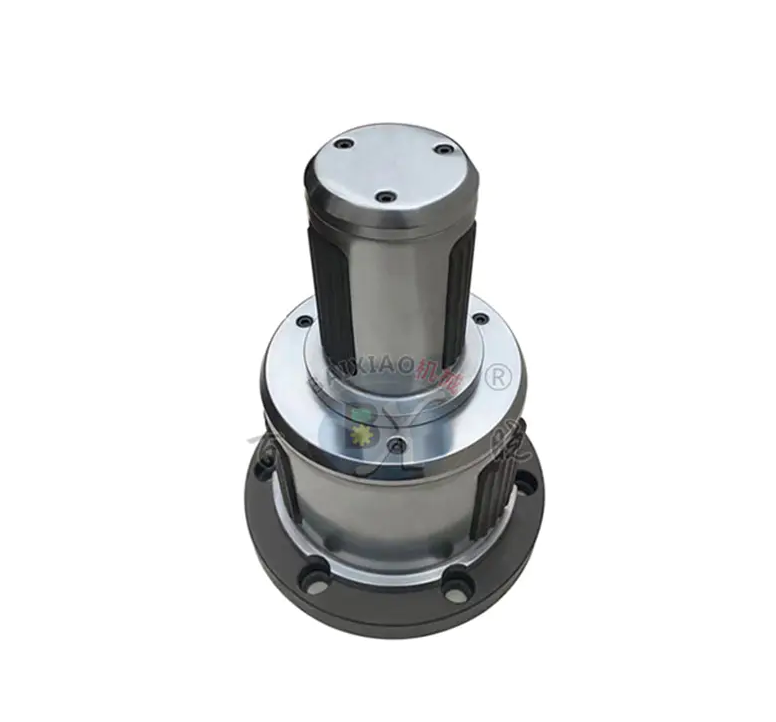
The Importance of Precision in Mechanical Parts
In the manufacturing industry, precision is critical to ensuring the quality, performance, and durability of mechanical parts. Whether for automotive, aerospace, or industrial equipment, accurate parts are essential for the proper functioning of the entire system. Improving the accuracy of mechanical parts requires a combination of advanced technologies, skilled labor, and optimal processes.
Advanced Machining Technologies
The use of advanced machining technologies is one of the most effective ways to improve the precision of mechanical parts. Computer Numerical Control (CNC) machines, for example, offer a high level of accuracy by following exact digital instructions. CNC machining allows for tight tolerances, intricate designs, and consistent results, which are essential for high-precision parts. Additionally, CNC machines can work with various materials, including metals, plastics, and composites, further increasing their versatility.
Laser cutting and electrical discharge machining (EDM) are other advanced techniques that help achieve fine tolerances. Laser cutting offers excellent precision for thin materials, while EDM can cut through hard metals with incredible accuracy. These technologies ensure that mechanical parts are manufactured to meet the required specifications with minimal variation.
Material Selection and Treatment
The selection of the right material is another important factor in achieving precise mechanical parts. Materials with consistent properties, such as high-grade stainless steel, aluminum, or specialized alloys, are less prone to deformation or expansion during the manufacturing process. Consistent material properties help maintain uniformity and improve the accuracy of finished components.
In addition to material selection, heat treatments like tempering and annealing can enhance the material's performance and stability. Heat treatment processes alter the internal structure of metals, making them stronger and more resistant to wear and deformation. This ensures that the mechanical parts retain their shape and function over time, contributing to the overall precision of the product.
Quality Control and Inspection
Implementing a robust quality control system is essential to maintaining high precision in mechanical parts. Precision measurement tools such as micrometers, calipers, and coordinate measuring machines (CMMs) are used to inspect the dimensions of parts throughout the manufacturing process. These tools ensure that each part adheres to the specified tolerances and quality standards.
Visual inspections, surface roughness testing, and material testing are also part of a comprehensive quality control system. By regularly checking for defects, such as warping, cracks, or dimensional inconsistencies, manufacturers can identify and correct issues early in the process, ensuring that only high-quality, precise parts are delivered to customers.
Employee Expertise and Training
Skilled labor is a key factor in achieving precision in mechanical parts production. Trained machinists, engineers, and quality control specialists bring valuable knowledge and experience to the production floor. Their ability to set up machines correctly, troubleshoot issues, and make adjustments ensures that the manufacturing process stays on track and produces accurate results.
Ongoing training is also important to keep employees up-to-date with the latest technologies and best practices. The more knowledgeable and experienced the workforce, the better the chances of improving the accuracy of the mechanical parts being produced.
Achieving Precision in Mechanical Parts Production
Improving the precision of mechanical parts requires the integration of advanced technologies, proper material selection, rigorous quality control, and skilled labor. By using CNC machining, laser cutting, and other state-of-the-art techniques, manufacturers can ensure that their mechanical parts meet the highest standards of accuracy. With a focus on precision and continuous improvement, manufacturers can produce parts that are reliable, durable, and perform at optimal levels in various applications.

 Arabic
 French
 Spanish
 Portuguese
 Deutsch
 Turkish
 Dutch
Dutch
 Italiano
 Russian
 Romaian
 Portuguese (Brazil)
 Greek
Greek