


Why Consistency Matters More Than Commands in Dog Training
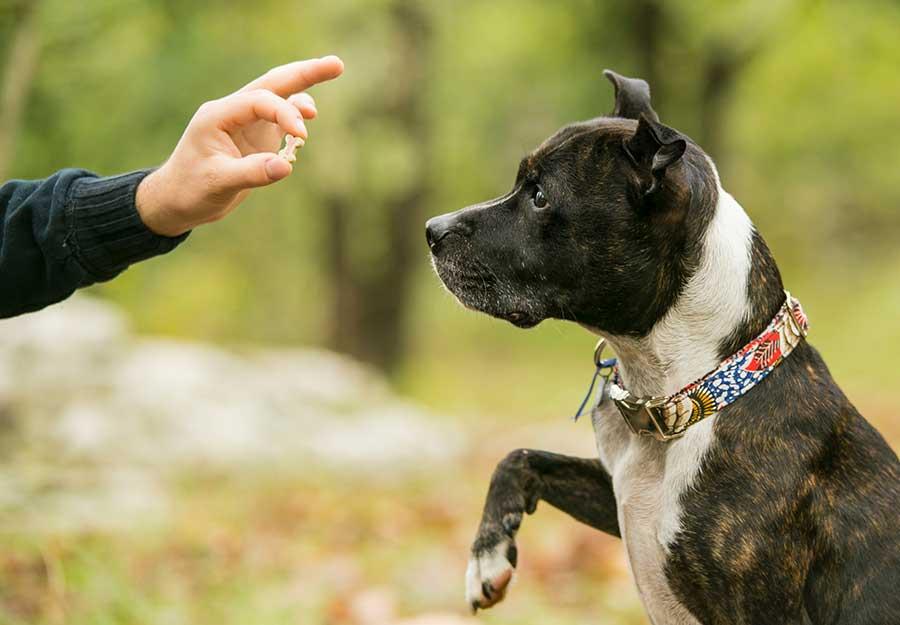
Many people begin training their dogs by focusing on commands—sit, stay, come, heel. While these cues are important, they are only one part of a much larger picture. True training success depends less on the number of commands a dog knows and more on how consistently expectations are communicated and reinforced. Consistency creates clarity, and clarity builds confidence in dogs.
Dogs do not naturally understand human language or social rules. They learn through patterns, repetition, and outcomes. When responses from humans are predictable, dogs are able to connect actions with consequences. Inconsistent reactions, on the other hand, create confusion and stress, often leading to unwanted behaviors that are mistakenly labeled as stubbornness or disobedience.
One of the most common areas where inconsistency appears is daily routine. Feeding times, walks, play, and rest periods that change frequently can disrupt a dog’s sense of stability. Dogs thrive on structure because it helps them anticipate what comes next. A predictable routine reduces anxiety and allows dogs to relax and focus during training moments.
Rules within the household must also remain consistent. Allowing a dog on the couch one day but scolding them the next sends mixed signals. Dogs cannot understand exceptions unless those exceptions follow a clear and repeatable pattern. Establishing firm but fair boundaries helps dogs understand their role within the home.
Tone of voice plays a significant role in communication. Dogs respond not only to words but to how those words are delivered. Using calm, steady tones for commands and praise creates a sense of safety. Yelling or fluctuating emotional responses can undermine training progress by making dogs nervous or hesitant.
Timing is another critical factor. Dogs learn best when feedback is immediate. Praise or correction given several seconds too late can disconnect the behavior from the response. Short, focused training sessions that emphasize immediate feedback are far more effective than long sessions that overwhelm the dog.
Positive reinforcement encourages cooperation rather than compliance through fear. When dogs are rewarded for making good choices, they become more eager to repeat those behaviors. Reinforcement can include treats, verbal praise, physical affection, or play, depending on what motivates the individual dog.
Mental engagement strengthens learning outcomes. Training is not only about physical behavior but also about cognitive development. Activities that challenge a dog’s problem-solving skills help improve focus and reduce boredom-related behaviors. A mentally stimulated dog is more receptive to guidance and instruction.
Environmental exposure further reinforces consistency. Practicing learned behaviors in different locations helps dogs understand that rules apply everywhere, not just at home. Distractions such as noises, people, and other animals test reliability, making repeated exposure essential for long-term success.
In discussions surrounding dog training garner nc, environmental factors such as neighborhood activity, shared spaces, and varied outdoor settings often highlight the importance of reinforcing consistent behavior in real-world conditions rather than controlled environments alone.
Physical exercise complements consistency by regulating energy levels. Dogs that receive appropriate exercise are more balanced emotionally and better able to focus during training sessions. Exercise routines should match the dog’s age, breed, and health to prevent overstimulation or fatigue.
Social interactions also benefit from consistent guidance. Gradual introductions to people and other dogs help build confidence and prevent fear-based reactions. Clear expectations during these interactions teach dogs how to behave calmly in social settings.
Training approaches should adapt as dogs grow. Puppies require repetition and gentle correction, while adult dogs may need patience to replace old habits with new ones. Older dogs continue to learn effectively when training respects their physical limitations and cognitive pace.
Setbacks are a normal part of training. Changes in routine, environment, or stress levels can temporarily affect behavior. Maintaining consistency during these periods reassures dogs and helps them recover more quickly.
All household members must follow the same training approach. Consistency across people prevents confusion and reinforces learning. When everyone communicates the same expectations, dogs respond with greater reliability.
Training extends beyond formal sessions. Everyday moments—feeding, walking, greeting visitors—offer opportunities to reinforce desired behaviors. Dogs learn continuously, making consistency in daily interactions just as important as structured training.
Conclusion
Consistency is the cornerstone of effective dog training. Clear routines, predictable responses, and unified communication help dogs understand expectations and feel secure. When training focuses on steady guidance rather than force or inconsistency, dogs develop confidence, reliability, and emotional balance. Over time, consistent training strengthens the bond between dogs and their owners, creating a relationship built on trust and mutual understanding.

 English
 French
 Spanish
 Portuguese
 Deutsch
 Turkish
 Dutch
Dutch
 Italiano
 Russian
 Romaian
 Portuguese (Brazil)
 Greek
Greek