


Repairing a Worn Glass Drill Bit
Introduction: Understanding Glass Drill Bit Wear
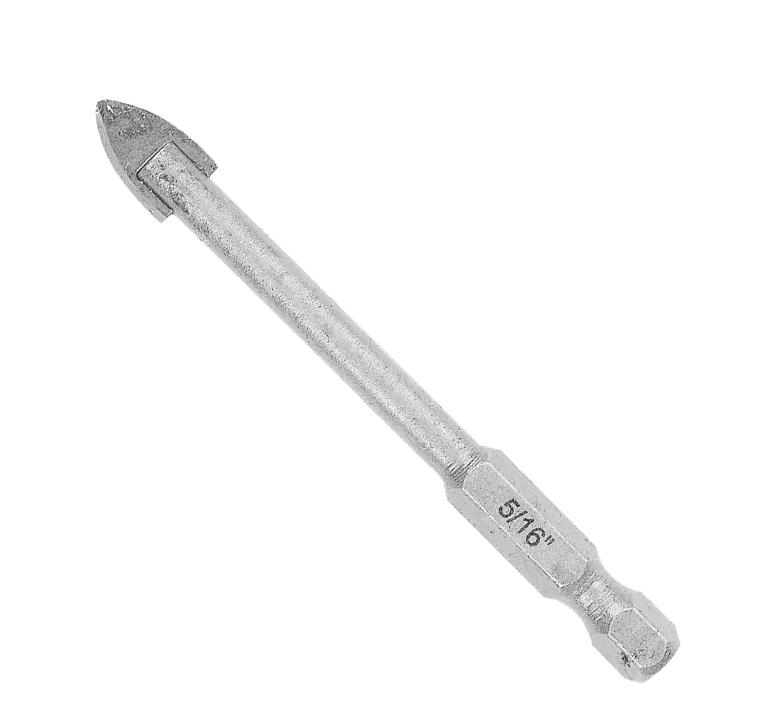
Glass drill bits are specialized tools designed to drill precise holes in fragile materials such as glass, ceramic, and tile. Over time, frequent use can cause the cutting edges to become dull, resulting in slower drilling, uneven holes, or even cracking the material. Many users wonder whether a worn or dull glass drill bit can be repaired or sharpened, rather than replaced entirely. Understanding the limitations and proper techniques for restoring a glass drill bit is essential for maintaining efficiency and extending the life of the tool.
The Limitations of Sharpening
Unlike conventional metal drill bits, glass drill bits are coated or made from hardened materials such as tungsten carbide or diamond grit. These materials provide the hardness needed to penetrate tough surfaces, but they also make sharpening more difficult. Attempting to sharpen a glass drill bit using standard sharpening tools or grinding stones may remove some material unevenly, which can compromise the cutting edge. In many cases, a glass drill bit that is significantly worn cannot be fully restored to its original precision using simple home methods. Users should recognize that there is a practical limit to how many times a glass drill bit can be sharpened before replacement becomes the safer and more effective option.
Methods for Partial Restoration
Despite these limitations, there are ways to partially restore a dull glass drill bit. For carbide or diamond-tipped bits, a fine diamond file or a specialized grinding wheel can be used to lightly reprofile the cutting edge. This process requires careful attention to maintain the original angle of the tip and avoid excessive material removal. Small adjustments can improve performance for light-duty drilling, but this approach will not fully restore the bit to factory precision. For hobbyists or occasional users, partial sharpening may be sufficient to continue small projects without significant risk of breakage.
Maintenance Tips to Extend Lifespan
Preventive maintenance is the best way to avoid frequent sharpening or replacement. Always use water or cutting fluid to cool the bit while drilling, maintain a low to moderate drilling speed, and avoid applying excessive pressure. Storing bits properly and using them exclusively for their intended materials also helps preserve the cutting edge. With proper care, a high-quality glass drill bit can retain its sharpness for many uses, reducing the need for complex restoration techniques.
Repair or Replace?
While a glass drill bit can sometimes be partially restored using careful grinding or filing, full repair to original sharpness is often not feasible for heavily worn bits. Preventive care and proper usage are far more effective strategies for maintaining durability. For critical or professional projects, replacing a dull glass drill bit is often the safest choice to ensure precision and avoid damaging the workpiece. Understanding the balance between maintenance and replacement helps users maximize the lifespan and effectiveness of their glass drill bits.

 English
 Arabic
 Spanish
 Portuguese
 Deutsch
 Turkish
 Dutch
Dutch
 Italiano
 Russian
 Romaian
 Portuguese (Brazil)
 Greek
Greek