English
 Arabic
 French
 Spanish
 Portuguese
 Deutsch
 Turkish
 Dutch
Dutch
 Italiano
 Russian
 Romaian
 Portuguese (Brazil)
 Greek
Greek

Elevate Your Brand with Instagram Marketing Gold Coast Strategies
Other |
2026-04-17 11:14:36
Hair loss is a concern that affects millions of people worldwide, cutting across age, gender, and lifestyle. From thinning hairlines to excessive shedding, the search for an effective solution often leads individuals to explore multiple treatment options. Among these, platelet-rich plasma therapy has gained significant attention. If you’ve been researching options like prp hair treatment dubai, you’re likely wondering how it stacks up against more traditional and modern alternatives.
This article takes a deep dive into how PRP hair treatment compares to other popular hair loss treatments, helping you understand which approach might suit your needs best.
PRP (platelet-rich plasma) hair treatment is a regenerative procedure that uses components derived from your own blood. The plasma, rich in growth factors, is injected into the scalp to stimulate hair follicles and encourage natural hair growth.
Unlike many treatments that rely on external chemicals, PRP works with your body’s natural biology.
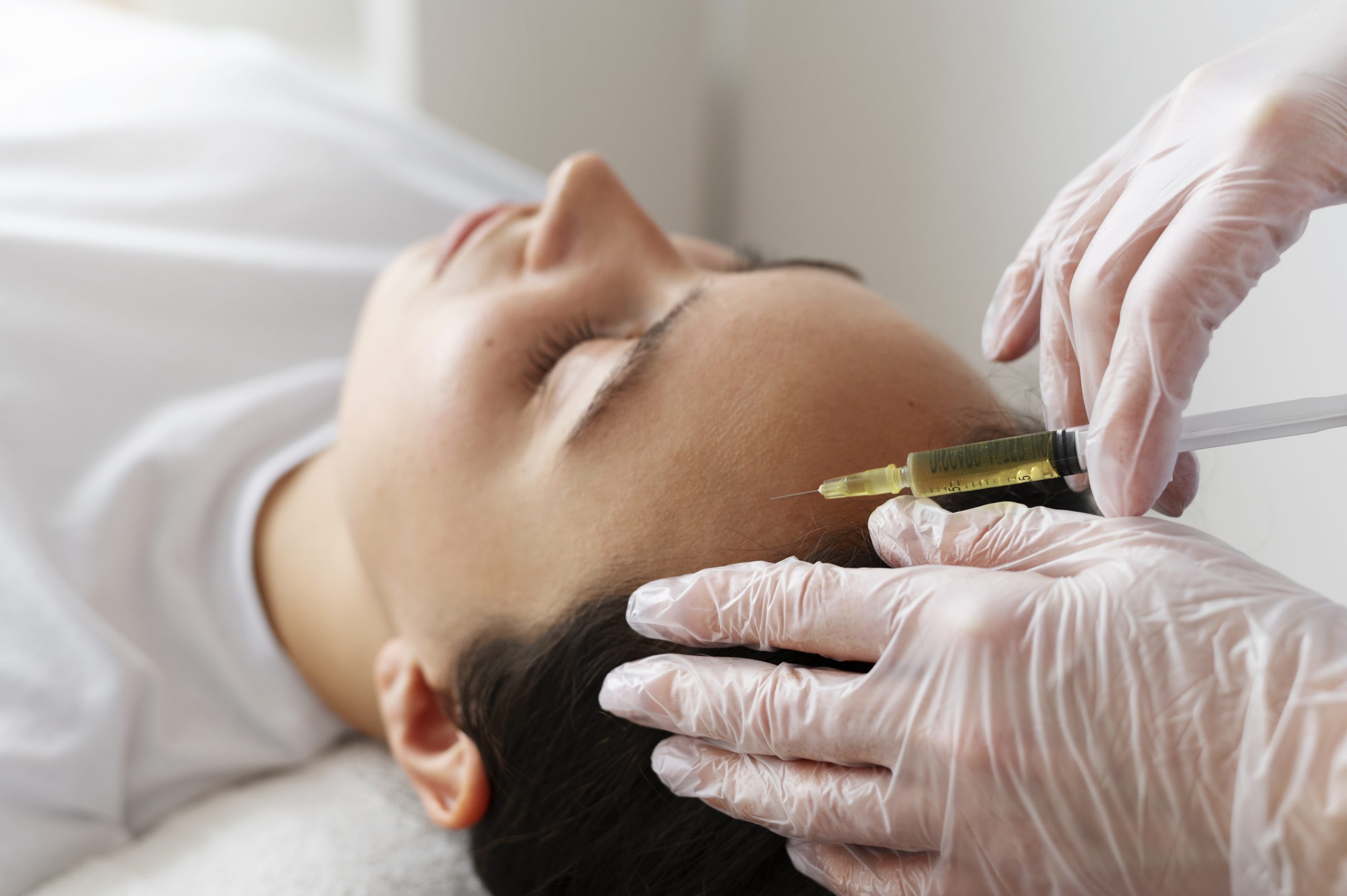
Before comparing PRP directly, it’s important to understand the other widely used hair loss solutions.
These include solutions applied directly to the scalp to promote growth and slow hair loss.
Prescription medications are often used to target hormonal causes of hair loss.
This is a surgical solution where hair follicles are moved from one part of the scalp to another.
Low-level laser therapy (LLLT) uses light energy to stimulate hair follicles.
Topical solutions are often the first line of defense against hair loss, but how do they compare with PRP?
PRP works beneath the surface, directly stimulating follicles, whereas topical treatments primarily act on the scalp’s surface. This gives PRP an edge in targeting the root cause of hair thinning.
Topical treatments are easy to apply but require daily commitment. PRP, on the other hand, involves fewer sessions spaced over time, making it more manageable for some individuals.
Oral medications are widely used, especially for pattern hair loss, but they come with their own set of considerations.
PRP uses your own biological material, reducing the risk of adverse reactions. Oral medications, however, can sometimes lead to unwanted side effects due to their systemic nature.
Medications require continuous use to maintain results. PRP treatments are typically done in cycles, with maintenance sessions as needed.
PRP delivers growth factors directly to the scalp, making it a more localized treatment compared to oral options.
Hair transplant procedures are often seen as a definitive solution, but PRP offers a very different approach.
Hair transplants are ideal for restoring lost hair in bald areas, while PRP is more effective in strengthening existing hair and slowing early-stage hair loss.
PRP requires minimal recovery time, allowing you to resume normal activities quickly. Surgical procedures involve a longer healing process.
Laser therapy is another non-invasive option that has gained popularity.
Laser therapy often requires frequent sessions, sometimes several times a week. PRP treatments are less frequent but more intensive.
Both treatments can improve hair thickness, but PRP may offer more noticeable improvements in hair density due to its regenerative properties.
PRP stands out for several reasons, making it a preferred choice for many individuals.
Since PRP uses your own blood components, it aligns with those seeking a more natural treatment option.
You can typically return to your routine shortly after each session.
PRP can be used alone or combined with other treatments to enhance overall results.
While PRP offers many benefits, it’s not without its limitations.
PRP works best in the early stages of hair thinning when follicles are still active.
Consistent treatments are necessary to achieve and maintain results.
Improvements occur over time, requiring patience and commitment.
Choosing the right hair loss treatment depends on several factors:
If you prefer a low-maintenance routine, PRP’s spaced-out sessions may be more convenient than daily applications or frequent laser use.
Yes, one of PRP’s biggest advantages is its compatibility with other treatments.
This flexibility makes PRP a valuable component of a comprehensive hair restoration plan.
PRP hair treatment offers a unique balance between effectiveness, safety, and convenience. While it may not replace every other hair loss solution, it holds a strong position as a natural, minimally invasive option that supports long-term hair health.
Compared to topical treatments, oral medications, laser therapy, and surgical procedures, PRP stands out for its regenerative approach and ability to work with your body’s own healing mechanisms. The best choice ultimately depends on your individual needs, hair loss stage, and treatment goals.
Understanding these differences empowers you to make an informed decision—and take a confident step toward healthier, fuller hair.