


Are Skin Tags Contagious: Everything You Need to Know Before Treatment
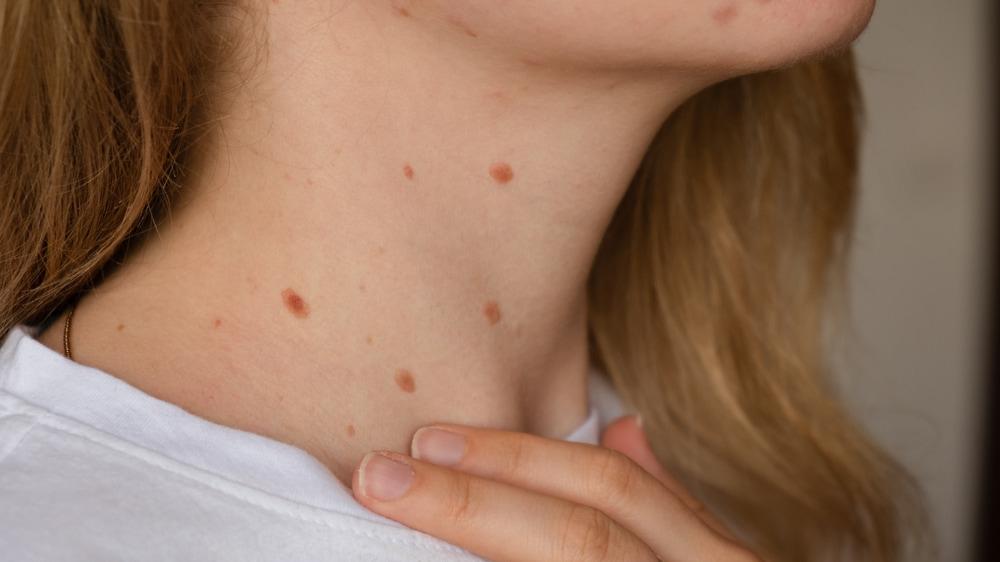
Skin tags are small, soft, benign growths that often appear on areas of the body such as the neck, armpits, eyelids, and under the breasts. While they are usually harmless, many people wonder about their nature and whether they pose any health risks. One of the most common questions is, “Are Skin Tags Contagious?” Understanding their origin, causes, and treatment options is essential before deciding on removal or home remedies. This article provides a comprehensive guide on skin tags, addressing concerns about contagion, prevention, and overall health and wellness.
What Are Skin Tags?
Skin tags, also known medically as acrochordons, are small, soft, flesh-colored growths that hang off the skin by a thin stalk. They are usually painless and do not cause discomfort unless irritated by clothing or jewelry. Skin tags commonly occur in areas where the skin folds, such as the neck, armpits, groin, and eyelids.
Despite their appearance, skin tags are harmless. They are non-cancerous and generally pose no serious health risks. However, because they may resemble other skin growths such as moles or warts, it is important to get any suspicious lesions checked by a dermatologist.
The exact cause of skin tags is not entirely understood, but factors such as friction, hormonal changes, obesity, and genetics can contribute to their formation. While they are common in adults, especially those over 40, children can occasionally develop skin tags as well.
Understanding the Risk: Are Skin Tags Contagious?
A frequent concern among patients is whether skin tags can spread from person to person. The simple answer is no. Skin tags are not contagious. They are not caused by bacteria, viruses, or fungi, which means they cannot be transmitted through skin-to-skin contact or by sharing personal items.
Unlike warts, which are caused by the human papillomavirus (HPV), skin tags are a result of excess skin growth and friction. Therefore, touching, rubbing, or being close to someone with skin tags does not increase your risk of developing them.
However, skin tags may appear in clusters in certain areas of your own body due to repeated friction or hormonal changes. Understanding this distinction helps prevent unnecessary worry about spreading them to others.
Common Causes of Skin Tags
Several factors contribute to the development of skin tags:
-
Friction: Skin tags often appear in areas where skin rubs against skin or clothing.
-
Hormonal Changes: Pregnancy and other hormonal shifts can increase the likelihood of skin tags.
-
Genetics: A family history of skin tags may increase your susceptibility.
-
Obesity: Increased skin folds create areas prone to friction and growths.
-
Medical Conditions: Conditions like diabetes and insulin resistance have been linked to higher instances of skin tags.
While these factors explain why skin tags develop, it is important to remember that they remain non-contagious. Knowing the cause can help in prevention and management.
How to Prevent Skin Tags
Prevention strategies primarily focus on reducing friction and maintaining healthy skin. While it may not be possible to prevent all skin tags, the following tips can help:
-
Maintain a healthy weight: Reducing excess skin folds minimizes friction.
-
Wear loose-fitting clothing: This reduces rubbing in sensitive areas.
-
Practice good hygiene: Keeping skin dry and clean can prevent irritation.
-
Regular skin checks: Monitoring your skin helps in early identification and removal if necessary.
Additionally, for those concerned about overall health and wellness, addressing underlying metabolic or hormonal conditions can reduce the risk of developing new skin tags.
Diagnosis and When to See a Doctor
In most cases, skin tags are easily identifiable. They are soft, small, and have a thin stalk connecting them to the skin. However, it is crucial to consult a healthcare professional if you notice:
-
Rapid growth or change in color
-
Pain or bleeding
-
Skin tags located in unusual areas
-
Any growth that resembles a mole or wart
A dermatologist can distinguish skin tags from other skin conditions, ensuring there are no hidden health concerns. Diagnosis is typically visual, but in rare cases, a biopsy may be performed.
Treatment Options for Skin Tags
Although skin tags are harmless, some people choose removal for cosmetic reasons or to prevent irritation. Common treatment methods include:
-
Cryotherapy: Freezing the skin tag with liquid nitrogen.
-
Excision: Cutting off the skin tag with sterile scissors or a scalpel.
-
Ligation: Tying off the skin tag to cut off blood supply, causing it to fall off.
-
Over-the-counter treatments: Some topical solutions can remove small skin tags.
It is important not to attempt removal at home using unsafe methods, as this can lead to infection or scarring. Consulting a professional ensures safe and effective treatment.
Home Remedies: Do They Work?
Several home remedies are promoted for skin tag removal, including apple cider vinegar, tea tree oil, and dental floss ligation. While some people report success, these methods are not scientifically proven and may cause skin irritation, burns, or infection.
If you are considering home remedies, it is best to discuss options with a dermatologist. Professional guidance ensures that removal is safe, minimizes complications, and confirms that the growth is indeed a benign skin tag.
Maintaining Skin Health and Overall Wellness
Taking care of your skin goes beyond removing skin tags. Preventing new growths and maintaining overall health and wellness requires a holistic approach:
-
Balanced diet: Eating nutrient-rich foods supports skin integrity.
-
Hydration: Drinking plenty of water keeps skin healthy.
-
Regular exercise: Promotes circulation and reduces obesity-related skin issues.
-
Sun protection: Using sunscreen reduces skin damage and irritation.
-
Regular check-ups: Annual dermatology visits ensure any growths are assessed promptly.
By focusing on skin health and general wellness, you can minimize the appearance of skin tags and support your body’s natural defenses.
Conclusion
Understanding Are Skin Tags Contagious is key to addressing concerns and preventing unnecessary worry. Skin tags are benign, non-contagious growths caused primarily by friction, genetics, and hormonal changes. While they do not pose a serious health risk, monitoring them and consulting a dermatologist is wise to rule out other conditions.
For those concerned with health and wellness, maintaining a balanced lifestyle, proper hygiene, and healthy weight can help prevent new growths. Treatment options are safe and effective when performed by professionals, but home remedies should be approached with caution.
Ultimately, awareness and proper care are the best strategies for managing skin tags while keeping your skin healthy and your mind at ease.

 English
 Arabic
 French
 Spanish
 Portuguese
 Deutsch
 Turkish
 Dutch
Dutch
 Italiano
 Russian
 Portuguese (Brazil)
 Greek
Greek