


Triethyl Phosphate Market Adoption Boosted by Growth in Construction Industry
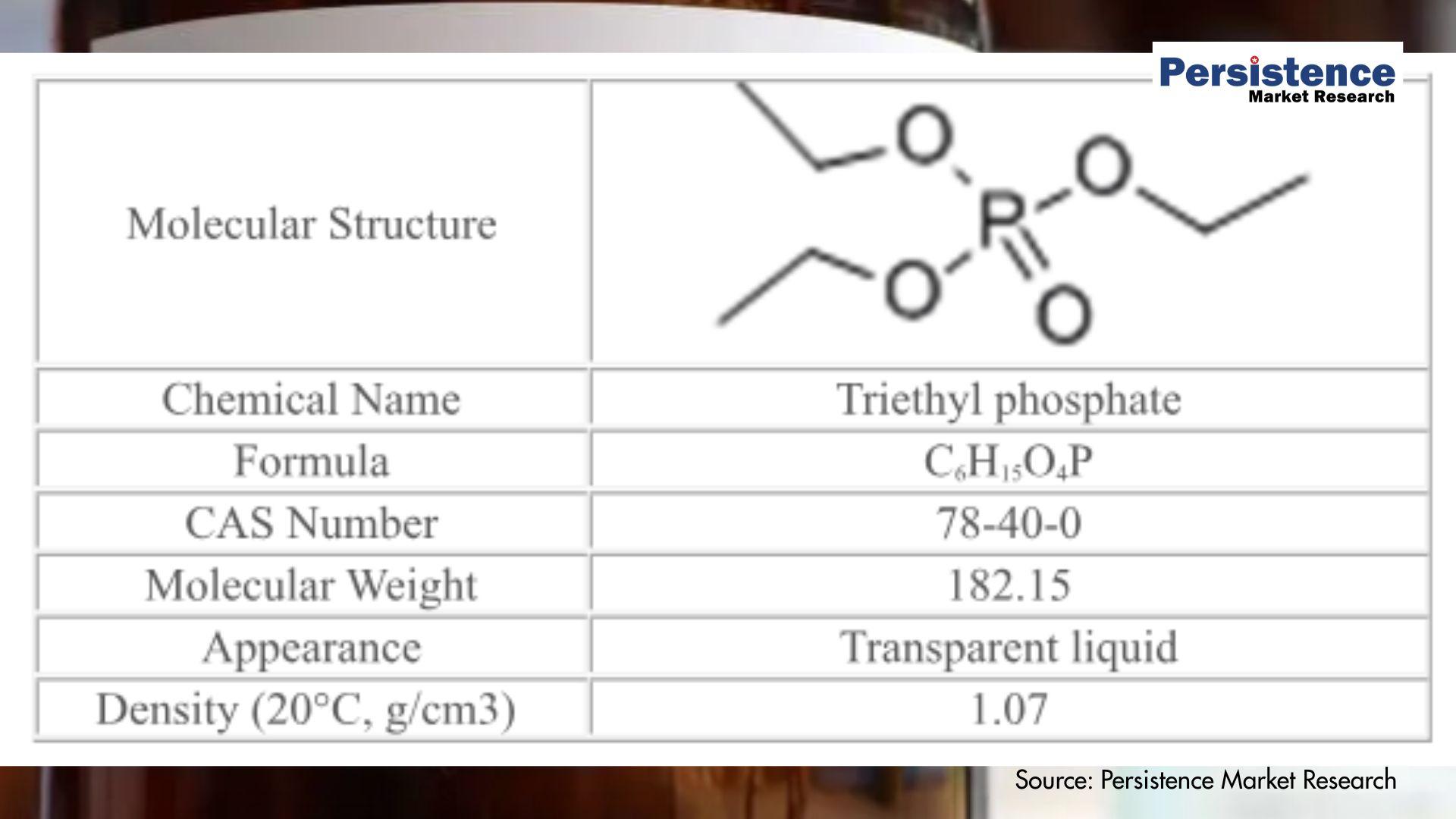
Introduction: Understanding the Importance of Triethyl Phosphate
Triethyl phosphate (TEP) is an organophosphate compound widely used across multiple industries due to its excellent flame-retardant, plasticizing, and chemical intermediate properties. It is a colorless, odorless liquid that offers high thermal stability and compatibility with various polymers. Over the years, triethyl phosphate has gained strategic importance in sectors such as plastics, rubber, textiles, electronics, and agrochemicals. As industries increasingly focus on fire safety standards, performance enhancement, and regulatory compliance, the demand for triethyl phosphate continues to grow steadily across global markets.
Market Overview and Growth Outlook
The global triethyl phosphate market is demonstrating consistent expansion, supported by rising industrial demand and diversified end-use applications. According to insights from a Persistence Market Research report, the global triethyl phosphate market size is expected to be valued at around US$ 1.8 billion in 2025. Over the forecast period, the market is projected to reach approximately US$ 2.5 billion by 2032, registering a compound annual growth rate (CAGR) of 4.9%. This steady growth reflects increasing consumption in flame-retardant formulations, plastic additives, and chemical synthesis, particularly in developing and industrializing economies.
What Is Triethyl Phosphate Used For and Why Is It in High Demand?
Triethyl phosphate is primarily used as a flame retardant, plasticizer, and chemical intermediate, making it highly valuable across multiple industries. Its ability to enhance fire resistance in plastics, resins, and coatings has made it a preferred choice in construction, electronics, and automotive applications. Additionally, triethyl phosphate improves flexibility and durability in polymers, which supports its use in PVC, rubber, and cellulose-based products. The compound is also used in agrochemical formulations and as a solvent in specialized chemical processes. Growing safety regulations, increasing plastic consumption, and rising demand for high-performance materials are key reasons behind the strong and sustained demand for triethyl phosphate globally.
Get Your FREE Sample Report Instantly – Click Now
Key Growth Drivers Supporting Market Expansion
One of the major drivers of the triethyl phosphate market is the rising emphasis on fire safety regulations across industries. Governments and regulatory bodies worldwide are enforcing stringent fire-retardant standards, especially in construction materials, electrical components, and consumer goods. Triethyl phosphate, due to its effectiveness and compatibility, is increasingly used in flame-retardant formulations to meet these regulatory requirements.
Another significant growth driver is the expanding plastics and polymer industry. Triethyl phosphate acts as an efficient plasticizer, improving flexibility, processing efficiency, and performance characteristics of polymers. With growing demand for lightweight, durable, and cost-effective materials in automotive, packaging, and electronics sectors, the consumption of triethyl phosphate continues to rise steadily.
Role of Triethyl Phosphate in Flame Retardants
Flame retardants remain one of the most important application segments for triethyl phosphate. The compound is widely used in rigid and flexible polyurethane foams, engineering plastics, and thermosetting resins. Its ability to reduce flammability while maintaining material integrity makes it a preferred additive in insulation materials, electronic housings, and furniture components.
In addition, triethyl phosphate produces less smoke during combustion compared to some traditional flame retardants, aligning with modern safety and environmental standards. This characteristic has further strengthened its adoption in public infrastructure, transportation, and residential construction projects, where fire safety is a critical concern.
Applications as a Plasticizer and Performance Additive
Beyond flame retardancy, triethyl phosphate plays a vital role as a plasticizer in polymer manufacturing. It is commonly used in PVC, cellulose acetate, and synthetic rubber to enhance flexibility, toughness, and workability. Unlike some conventional plasticizers, triethyl phosphate offers good resistance to heat and aging, which improves the long-term performance of finished products.
The growing demand for high-performance plastics in automotive interiors, electrical insulation, and consumer goods is driving the use of triethyl phosphate-based formulations. As manufacturers focus on improving product lifespan and mechanical properties, the demand for reliable additives like triethyl phosphate is expected to remain strong.
Use in Chemical Intermediates and Agrochemicals
Triethyl phosphate is also utilized as an intermediate in chemical synthesis and agrochemical formulations. It plays a role in the production of pesticides, herbicides, and other specialty chemicals. With the global agricultural sector increasingly relying on advanced chemical solutions to improve crop yields and pest control, the demand for chemical intermediates such as triethyl phosphate continues to grow.
Additionally, its use as a solvent and stabilizer in niche chemical processes adds to its market relevance. The diversification of applications helps reduce dependency on a single industry, contributing to the overall stability of the triethyl phosphate market.
Regional Market Insights and Demand Patterns
Regionally, Asia Pacific dominates the triethyl phosphate market due to rapid industrialization, expanding manufacturing activities, and strong demand from construction and plastics industries. Countries such as China, India, and South Korea are witnessing increased consumption driven by infrastructure development, electronics manufacturing, and automotive production.
North America and Europe represent mature markets with stable demand, supported by strict fire safety regulations and technological advancements in material science. These regions also emphasize product quality and regulatory compliance, which supports the use of high-purity triethyl phosphate in specialized applications. Meanwhile, emerging markets in Latin America and the Middle East are gradually contributing to market growth as industrial activities expand.
Challenges and Regulatory Considerations
Despite its positive outlook, the triethyl phosphate market faces certain challenges. Environmental and health concerns associated with organophosphate compounds have led to increased regulatory scrutiny in some regions. Compliance with chemical safety standards and proper handling guidelines can increase production and operational costs for manufacturers.
Volatility in raw material prices is another challenge that can impact profit margins. However, ongoing research into safer formulations, improved manufacturing processes, and sustainable chemical practices is helping mitigate these risks and support long-term market growth.
Future Outlook and Market Opportunities
The future of the triethyl phosphate market appears stable and promising, driven by consistent industrial demand and evolving application areas. Innovations in flame-retardant technologies, lightweight materials, and high-performance polymers are expected to create new growth opportunities. Additionally, increasing investments in infrastructure, automotive electrification, and electronics manufacturing will further support market expansion.
With the global market projected to grow from US$ 1.8 billion in 2025 to US$ 2.5 billion by 2032 at a CAGR of 4.9%, triethyl phosphate is set to remain a crucial chemical compound across diverse industries. Manufacturers focusing on product quality, regulatory compliance, and application-specific solutions are likely to gain a competitive edge in this steadily expanding market.
Conclusion: A Market with Consistent Industrial Relevance
The triethyl phosphate market continues to play a vital role in modern industrial ecosystems, offering critical performance benefits in flame retardancy, plasticization, and chemical processing. Supported by regulatory demand for fire safety, growth in plastics consumption, and diversified applications, the market is positioned for sustained growth. As industries evolve and safety standards become more stringent, triethyl phosphate will remain an essential component driving innovation and performance across multiple sectors.
Explore the Latest Trending Research Reports:

 English
 Arabic
 French
 Spanish
 Portuguese
 Deutsch
 Turkish
 Dutch
Dutch
 Russian
 Romaian
 Portuguese (Brazil)
 Greek
Greek