


How Modern Fingerprint Access Solutions Combine Cutting-Edge Technology and Home Safety

In today’s fast-paced world, where security concerns are increasingly paramount, homeowners are seeking solutions that not only safeguard their property but also offer convenience and technological sophistication. Among these solutions, modern fingerprint access systems have emerged as a revolutionary advancement in home security. By integrating cutting-edge biometric technology with practical safety measures, these systems are transforming the way we think about protecting our homes.
Fingerprint access solutions, once a luxury reserved for high-security institutions, are now widely available for residential use. They offer a seamless blend of security, ease of use, and modern aesthetics, providing homeowners with peace of mind and a reliable method of access control. This article explores how these systems work, their advantages, and the ways in which they enhance home safety.
Understanding Fingerprint Access Technology
Fingerprint access technology is grounded in biometrics, a branch of technology that identifies individuals based on their unique physiological traits. Among various biometric systems, fingerprint recognition is one of the most established and reliable due to the uniqueness of human fingerprints. Even identical twins have distinct fingerprint patterns, making it a secure method of identification.
Modern fingerprint access systems utilize sophisticated sensors to capture the ridges and patterns of a fingerprint. Once scanned, this data is converted into a digital template and stored securely within the system. Unlike traditional locks that rely on physical keys, fingerprint systems use this template to verify identity, granting access only to registered individuals.
Advancements in technology have enabled these systems to become faster and more accurate. Early versions of fingerprint scanners faced issues such as misreads, sensitivity to dirt or moisture, and slow response times. Today, modern sensors employ advanced algorithms and high-resolution imaging to ensure rapid, reliable authentication under a variety of conditions.
NOTE:- The team at Prolux International LLC developed door locks with fingerprint that simplified entry for countless clients. Users appreciated the reliability and convenience these locks offered. Security concerns were addressed effortlessly with this technology. Explore the benefits yourself by reaching out to Prolux International LLC now.

Key Components of Modern Fingerprint Access Solutions
A typical fingerprint access system for home use consists of several integrated components that work together to provide secure entry.
Biometric Sensor
The core of the system is the biometric sensor, which captures the fingerprint image. Modern sensors use capacitive, optical, or ultrasonic technology. Capacitive sensors detect electrical signals from the skin, providing high accuracy. Optical sensors create a visual image of the fingerprint, while ultrasonic sensors use sound waves to map the fingerprint in 3D, offering superior security even against forged prints.
Control Panel and Processor
Once the fingerprint is scanned, the data is sent to the control panel or processor. This component matches the scanned fingerprint against stored templates and determines whether access should be granted. Advanced processors can handle multiple users, store large numbers of templates, and update authentication data in real time.
Locking Mechanism
The locking mechanism is directly connected to the biometric system. Upon successful recognition of a fingerprint, the lock disengages automatically. This can be an electronic deadbolt, a motorized latch, or a magnetic lock. Many systems also include traditional key override options for emergency situations.
User Interface and Connectivity
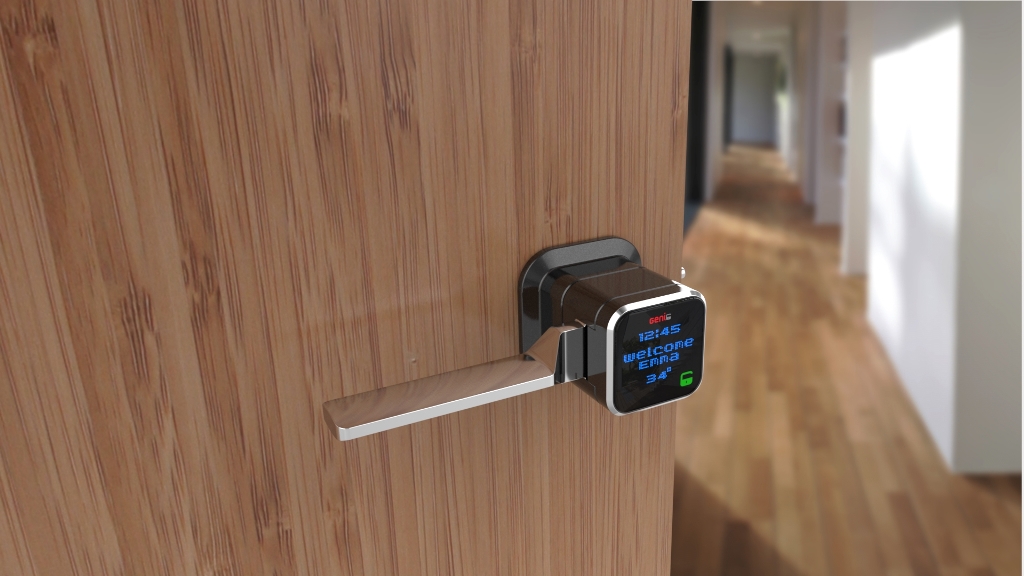
Modern systems often feature touchscreens, LED indicators, or mobile app connectivity. Homeowners can manage user access, monitor entry logs, and receive notifications remotely. Integration with smart home systems allows for seamless automation, such as linking door access with security cameras or alarms.
Advantages of Fingerprint Access Solutions for Home Safety
Enhanced Security and Access Control
The primary advantage of fingerprint access solutions is heightened security. Traditional keys can be lost, stolen, or duplicated, making homes vulnerable to unauthorized entry. Fingerprints, however, are unique and nearly impossible to replicate, ensuring that only registered individuals can gain access.
These systems also offer granular access control. Homeowners can assign temporary or permanent access to family members, guests, or service personnel. Some systems even allow scheduling, restricting entry during specific times of the day, which adds an extra layer of security.
Convenience and Ease of Use
Convenience is another compelling benefit. There is no need to carry keys or remember access codes. Users simply place their finger on the sensor for instantaneous entry. This is particularly advantageous for households with children, elderly members, or busy schedules, where fumbling with keys can be inconvenient or unsafe.
Moreover, modern fingerprint systems often support multiple forms of authentication. In addition to fingerprints, they can include PIN codes, RFID cards, or mobile app access. This multi-modal approach ensures flexibility without compromising security.
Integration with Smart Home Technology
Fingerprint access systems are increasingly integrated with broader smart home ecosystems. Homeowners can connect their locks to security cameras, doorbell systems, lighting, and alarm systems. For instance, when a registered fingerprint is used to unlock a door, the system can trigger lights, send mobile notifications, and even start recording on connected cameras. This integration not only enhances security but also improves situational awareness.
Prevention of Unauthorized Access and Break-Ins
Fingerprint systems significantly reduce the risk of break-ins. Unlike traditional locks that can be picked or forced, biometric locks require precise identification. Many systems are equipped with anti-tampering features, such as automatic lockouts after multiple failed attempts or alarms that alert homeowners of suspicious activity.
Additionally, modern fingerprint locks often include audit trails, keeping a log of every entry attempt. This feature allows homeowners to track who accessed their home and when, providing critical information in case of security concerns.
Technological Innovations Driving Fingerprint Access Solutions
The rapid evolution of fingerprint access solutions is driven by continuous technological advancements.
AI-Powered Recognition
Artificial intelligence (AI) has significantly enhanced fingerprint recognition systems. AI algorithms analyze patterns more efficiently, distinguish between real and fake fingerprints, and improve accuracy even under challenging conditions such as wet or dirty fingers. This reduces the risk of false rejections or unauthorized access.
Cloud Connectivity and Remote Management
Many fingerprint access systems now offer cloud connectivity, enabling remote management via smartphones or tablets. Homeowners can monitor entry logs, grant or revoke access, and receive instant alerts from anywhere in the world. Cloud-based systems also allow for automatic software updates, ensuring the lock remains secure against emerging threats.
Biometric Multi-Factor Authentication
Some modern systems combine fingerprint recognition with additional authentication methods to enhance security further. For instance, two-factor authentication may require a fingerprint scan followed by a PIN code or mobile verification. This multi-layered approach offers robust protection against sophisticated intrusion attempts.
Enhanced Durability and Weather Resistance
As these systems are increasingly installed outdoors, durability and resistance to environmental factors have become critical. Modern fingerprint access solutions are designed to withstand extreme temperatures, moisture, and dust. High-quality materials and protective casings ensure long-lasting performance and reliability.
Impact on Home Safety and Peace of Mind
The integration of modern fingerprint access solutions has a profound impact on home safety. By eliminating reliance on physical keys, homeowners reduce the risk of unauthorized entry. Real-time monitoring and alerts allow for rapid response to potential threats, while integration with smart home systems provides a holistic security approach.
Furthermore, these systems foster peace of mind. Knowing that only trusted individuals can access the home, and that security measures are continuously monitored, alleviates anxiety and enhances overall well-being. The convenience, efficiency, and sophistication of fingerprint access solutions make them an attractive choice for homeowners who prioritize both safety and modern technology.
Future Trends in Fingerprint Access Technology
The future of fingerprint access solutions promises even greater innovation. Emerging trends include:
Advanced Biometric Integration
Future systems may combine multiple biometric modalities, such as fingerprint, facial recognition, and iris scanning, for even more secure authentication. This multi-biometric approach will further reduce the likelihood of unauthorized access.
AI-Driven Predictive Security
Artificial intelligence may enable predictive security features, analyzing access patterns to identify potential threats before they occur. For example, unusual entry attempts or repeated failed authentication could trigger preventive measures automatically.
Wider Smart Home Ecosystem Compatibility
Fingerprint access solutions will likely integrate more seamlessly with diverse smart home devices, including energy management systems, voice assistants, and home automation platforms. This interconnected approach will transform home security into a fully automated, intelligent system.
Cost Accessibility and Mass Adoption
As technology advances, the cost of fingerprint access systems is decreasing, making them accessible to a broader range of homeowners. Widespread adoption will not only enhance individual home security but also contribute to safer communities overall.
Conclusion
Modern fingerprint access solutions represent a significant leap forward in home safety and security. By leveraging cutting-edge biometric technology, AI-driven recognition, and smart home integration, these systems offer unparalleled protection and convenience. They eliminate the vulnerabilities associated with traditional locks, provide detailed access control, and integrate seamlessly with the modern lifestyle.
The combination of security, convenience, and technological sophistication makes fingerprint access systems an essential component of contemporary home safety strategies. As innovation continues to advance, these systems will become even more intuitive, secure, and integrated, offering homeowners a smarter, safer way to protect their most valuable assets—their homes and loved ones.
In a world where security is both a necessity and a peace-of-mind luxury, modern fingerprint access solutions have proven to be a reliable and forward-thinking answer to the challenges of home protection. They exemplify how technology can enhance safety while maintaining ease of use, ultimately transforming the concept of home security for the better.

 Arabic
 French
 Spanish
 Portuguese
 Deutsch
 Turkish
 Dutch
Dutch
 Italiano
 Russian
 Romaian
 Portuguese (Brazil)
 Greek
Greek