


How to Combine Traditional and Modern Furniture in One Home
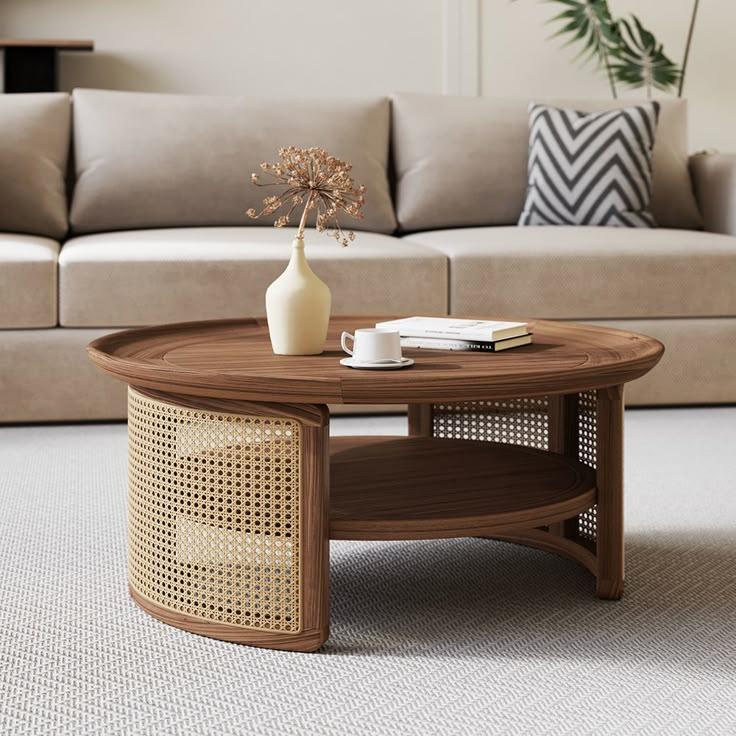
Creating a living space that balances tradition with modernity is an art—one that blends the charm of the past with the sleek functionality of the present. Today, many homeowners look for ways to merge these styles to make their interiors feel both comfortable and timeless. The trend has gained exceptional momentum in places known for their mix of cultural influences, such as Dubai, where the availability of diverse styles makes experimenting with interior design more exciting. Whether you’re choosing a sofa Dubai retailers offer or browsing various options in Furniture Stores in Dubai UAE, achieving harmony between traditional and modern elements is entirely possible with the right approach.
Below, we explore key strategies, design principles, and practical tips to help you seamlessly blend these two distinct design worlds into one cohesive and beautiful home.
1. Understanding the Essence of Traditional and Modern Styles
Before mixing different styles, it's important to understand what each represents.
Traditional Style
Traditional furniture and décor are often inspired by historical design movements. These spaces typically feature:
-
Ornate details and craftsmanship
-
Warm, rich color palettes
-
Solid wood furniture with carved accents
-
Symmetry and balance in layout
-
Fabrics such as velvet, silk, and brocade
This design style evokes a sense of heritage, comfort, and elegance.
Modern Style
Modern furniture focuses on simplicity and function. Characteristics include:
-
Clean lines and geometric shapes
-
Minimal ornamentation
-
Neutral colors and muted tones
-
Metal, glass, and engineered materials
-
Open, airy layouts
Modern design reflects today’s fast-paced lifestyle by prioritizing practicality and space efficiency.
Combining these two styles requires thoughtful planning so that each element enhances rather than clashes with the other.
2. Start With a Neutral Background
A neutral base is one of the easiest ways to ensure a smooth blend between traditional and modern furniture.
Walls in shades of beige, cream, grey, or soft white provide a blank canvas that allows both styles to shine without competing. This neutral backdrop works particularly well when integrating bold traditional pieces—like antique cabinets or carved coffee tables—with more streamlined modern items.
For instance, if you bring home a contemporary sofa Dubai showrooms offer, its clean edges will stand out beautifully against classic moldings or vintage décor placed around it.
3. Choose a Dominant Style and Complement With the Other
Mixing styles doesn’t mean using equal parts of each. Selecting one as the primary theme and the other as an accent helps keep the space balanced.
If You Prefer a Modern Base:
-
Use minimalist furniture for the main pieces (sofas, dining tables, TV units).
-
Add traditional touches like patterned cushions, Persian rugs, or antique lamps.
-
Incorporate classical artwork or heritage-inspired accessories for a warm contrast.
If You Prefer a Traditional Base:
-
Let carved wooden furniture, vintage mirrors, or ornate rugs dominate the room.
-
Introduce modern elements like metal floor lamps, sleek side tables, or abstract artwork.
-
Use modern lighting fixtures to elevate the traditional ambiance.
This approach allows both styles to coexist gracefully without overwhelming your space.
4. Use Color to Create Harmony
Color is a powerful tool in interior design, especially when blending contrasting styles.
A Simple Rule:
Choose one or two main colors for your space and repeat them in both traditional and modern items.
For example:
-
A beige modern sofa paired with traditional dark-wood furniture
-
A navy-blue accent wall complemented by contemporary lighting and oriental cushions
-
Soft pastel shades used in both classic and modern décor pieces
Repeating colors in both styles brings cohesion and makes your interiors visually appealing.
5. Combine Materials Thoughtfully
Material selection plays a huge role in merging two design eras.
Traditional Materials:
-
Solid wood
-
Leather
-
Natural stone
-
Woven fabrics
Modern Materials:
-
Glass
-
Metal
-
Acrylic
-
Engineered wood
Blending these materials creates contrast and visual interest. For instance, a polished glass coffee table can look stunning beside a plush traditional armchair. Or, if you choose a leather sofa Dubai stores offer, pairing it with metal accent tables or a contemporary bookshelf balances the look.
6. Play With Shapes and Silhouettes
Traditional furniture usually features curved, intricate shapes, while modern pieces emphasize straight lines and simple geometric forms. Combining these differences creates a beautiful dynamic.
Examples:
-
A modern rectangular dining table paired with classic upholstered chairs.
-
A curved traditional sofa placed opposite a modern angular TV unit.
-
Ornate side tables beside a modern platform bed.
This contrast adds depth to your décor, making the space feel layered and thoughtfully designed.
7. Use Accessories to Bridge the Gap
Accessories are the easiest way to tie different styles together. They help soften the transition between modern and traditional elements.
Try the following:
-
Cushions with classic prints in contemporary color palettes
-
Vintage-style picture frames holding modern artwork
-
Traditional vases on modern shelves
-
Abstract sculptures on antique tables
By carefully choosing and placing accessories, you create a visual dialogue between the two styles.
8. Pay Attention to Lighting
Lighting greatly influences the ambiance and enhances style integration.
Traditional Lighting:
-
Chandeliers
-
Candle-style fixtures
-
Warm-toned lamps
Modern Lighting:
-
LED strips
-
Recessed lighting
-
Minimalist floor lamps
Blending the two can bring personality to your space. For example, a classic chandelier over a glass dining table or modern pendant lights in a room with vintage wall décor creates an elegant balance.
9. Create Balance Through Symmetry and Asymmetry
Traditional design relies heavily on symmetry—matching chairs, identical lamps, aligned wall décor. Modern design embraces asymmetry and creative freedom.
A stylish approach is to strategically combine both principles.
For Example:
-
Place two classic chairs symmetrically around a modern coffee table.
-
Match traditional wall art on one side with modern décor on the other.
-
Use symmetrical furniture placement but add asymmetrical decorative accents.
This interplay keeps the space interesting and harmonious at the same time.
10. Mix Textures for Added Depth
Texture influences how warm or cool a space feels.
Traditional Textures Include:
-
Embroidered cushions
-
Knitted throws
-
Patterned rugs
-
Velvet or silk fabrics
Modern Textures Include:
-
Smooth leather
-
Clean matte finishes
-
Sleek metal surfaces
-
Light cotton or linen
Mixing these textures brings richness to your interior. Imagine a smooth leather sofa Dubai retailers offer paired with an ornate handmade carpet, or a modern linen sofa combined with traditional velvet cushions. This layering creates dimension and comfort.
11. Focus on Key Statement Pieces
In every room, choose one or two statement items that represent one of the styles strongly, while the rest of the room supports a blended design.
Ideas:
-
A vintage wooden cabinet as the focal point in a modern living room
-
A modern sectional sofa surrounded by traditional décor elements
-
A contemporary bed frame paired with a classic patterned wallpaper
Bringing attention to a strong piece sets the tone without overwhelming the space.
12. Explore Versatile Options from Furniture Stores in Dubai UAE
The benefit of living or shopping in a multicultural city is the wide range of design options available. Furniture Stores in Dubai UAE offer both modern and traditional furniture, making it easier to find pieces that complement each other.
By carefully selecting items from these stores, you can explore:
-
Traditional seating with modern upholstery
-
Contemporary bedroom sets with classic accents
-
Heritage-inspired décor that fits into minimalist layouts
This availability of diverse styles encourages creative experimentation when blending different aesthetics.
13. Make Functionality a Priority
While aesthetics matter, function should always guide your furniture choices—especially when mixing different styles.
Ask Yourself:
-
Does this piece serve the room’s purpose?
-
Is it comfortable and practical for daily use?
-
Does it fit the scale of my space?
For example, a traditional armchair may be beautiful but too bulky for a compact modern apartment. Similarly, an ultra-modern coffee table may not pair well with heavy classical décor unless you balance the room properly.
Functionality ensures your home remains livable and not just visually appealing.
14. Let Your Personality Lead the Way
The most important aspect of any blended interior design is personal expression. Your home should reflect your preferences, memories, experiences, and lifestyle.
Combining traditional pieces that carry sentimental value with modern furniture that suits your daily routine creates a home that feels uniquely yours. Whether it’s a classic sideboard inherited from family or a modern sofa Dubai stores offer for everyday comfort, embracing both styles adds authenticity to your living space.
Conclusion
Blending traditional and modern furniture is not about choosing one style over the other—it’s about creating harmony, contrast, and personal expression. With thoughtful decisions involving color, materials, proportions, lighting, and accessories, you can design a home that feels sophisticated and warm, functional and stylish.
Whether you're browsing Furniture Stores in Dubai UAE or selecting a contemporary or classic sofa Dubai dealers offer, remember that balance is key. Let each piece contribute to a cohesive story, and you’ll create a home that stands the test of time—just like the styles it beautifully merges.

 Arabic
 French
 Spanish
 Portuguese
 Deutsch
 Turkish
 Dutch
Dutch
 Italiano
 Russian
 Romaian
 Portuguese (Brazil)
 Greek
Greek