


Opportunities
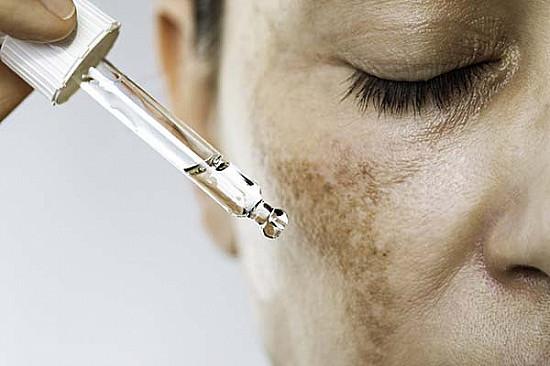
The global pigmentation disorder treatment market is gaining steady momentum as skin health becomes a growing priority worldwide. Valued at USD 6.8 billion in 2022, the market is projected to reach US$ 10.6 billion by the end of 2031, expanding at a CAGR of 5.2% from 2023 to 2031. Rising awareness of skin conditions, increasing adoption of advanced dermatological procedures, and continuous innovation in therapies are key factors shaping the market’s positive outlook.
Understanding Pigmentation Disorders
Pigmentation disorders are skin conditions that affect the natural color of the skin due to abnormal melanin production or distribution. Common types include melasma, vitiligo, and albinism, as well as hyperpigmentation caused by sun exposure, inflammation, burns, or injuries. These conditions may appear as localized patches or affect larger areas of the body, often impacting both physical appearance and psychological well-being.
Albinism is a rare genetic condition caused by defects in genes responsible for melanin production, resulting in little or no pigmentation in the skin, hair, or eyes. Melasma, sometimes referred to as the “mask of pregnancy,” predominantly affects women and is more common among individuals with darker skin tones. In addition, post-inflammatory hyperpigmentation and solar lentigines are increasingly observed due to environmental exposure and lifestyle changes.
Analyst Viewpoint: Key Factors Driving Market Growth
According to analysts, the primary driver of the pigmentation disorder treatment market is the increasing adoption of advanced skincare and dermatological procedures. Growing awareness about skin health, fueled by social media, dermatology campaigns, and aesthetic trends, has encouraged more people to seek professional treatments.
Excessive sun exposure, pollution, skin injuries, and inflammatory conditions have led to a surge in pigmentation cases globally. As a result, demand for effective and faster-acting treatments such as laser therapy, chemical peels, and microneedling is rising. These procedures are considered safer, minimally invasive, and capable of delivering visible results in shorter timeframes compared to traditional therapies.
However, analysts also note that the high cost of advanced treatments can limit adoption in price-sensitive markets, restraining revenue growth to some extent. To address this, companies are focusing on developing cost-effective therapies and expanding access through aesthetic clinics and dermatology centers.
For More Details, Get Sample PDF Copy: https://www.transparencymarketresearch.com/sample/sample.php?flag=S&rep_id=34418
Advanced Medical Procedures Reshaping Treatment Landscape
The pigmentation disorder treatment market has evolved significantly with the introduction of advanced medical technologies. Modern treatments such as laser therapy, chemical peels, microdermabrasion, and phototherapy have transformed patient outcomes.
One notable advancement is the use of picosecond lasers, which deliver ultra-short pulses of energy to target pigment particles with high precision. Compared to conventional nanosecond lasers, picosecond lasers offer greater efficacy, fewer side effects, and shorter recovery times, making them increasingly popular among dermatologists and patients alike. The growing acceptance of these technologies is a major contributor to market expansion.
Rising Prevalence and Growth in R&D Initiatives
The prevalence of pigmentation disorders is notably high among populations in Asia Pacific, Latin America, and regions with African heritage. Studies published in medical journals highlight that pigmentation disorders rank among the most common dermatological conditions, particularly affecting Hispanic and Asian populations.
This growing disease burden has encouraged pharmaceutical and biotechnology companies to invest heavily in research and development. For example, in July 2022, Ahammune Biosciences partnered with Veeda Clinical Research Limited to advance clinical studies for AB1001, a novel topical therapy for vitiligo. Such initiatives signal a strong pipeline of innovative treatments expected to enter the market during the forecast period.
In addition, increased government investment in healthcare and biotechnology, especially in developing economies, is supporting clinical trials, drug approvals, and wider availability of advanced pigmentation therapies.
Regional Outlook: Asia Pacific Leads the Market
Asia Pacific accounted for a significant share of the global pigmentation disorder treatment market in 2022. Factors such as rising disposable income, rapid urbanization, and heightened concern about appearance are driving treatment adoption across the region. Environmental factors like pollution, higher temperatures, and increased UV exposure further exacerbate pigmentation issues, boosting demand for dermatological care.
Urban populations in countries such as China, India, and Japan benefit from better access to dermatologists, aesthetic clinics, and advanced healthcare infrastructure. Increased awareness about skin health and availability of modern treatment options continue to strengthen Asia Pacific’s leading position.
Competitive Landscape and Recent Developments
Leading companies in the pigmentation disorder treatment market are focusing on product innovation, portfolio expansion, and clinical research to maintain a competitive edge. Prominent players include Bayer AG, Galderma S.A., SkinCeuticals, Pierre Fabre, EpiPharm AG, RXi Pharmaceuticals Corporation, Obagi Cosmeceuticals, and Vivier Pharma.
A key milestone in the market occurred in July 2022, when Incyte Corporation received FDA approval for Opzelura (ruxolitinib) cream to treat non-segmental vitiligo in adults and children aged 12 and above. This approval marked a significant advancement in vitiligo treatment and highlights the growing focus on targeted, science-driven therapies.
Outlook Ahead
With continuous innovation, rising awareness, and expanding access to advanced treatments, the pigmentation disorder treatment market is poised for sustained growth through 2031. As companies invest in R&D and governments strengthen healthcare infrastructure, patients worldwide are expected to benefit from safer, more effective, and personalized solutions for managing pigmentation disorders.

 English
 Arabic
 French
 Spanish
 Portuguese
 Deutsch
 Dutch
Dutch
 Italiano
 Russian
 Romaian
 Portuguese (Brazil)
 Greek
Greek