


Automotive Door Hinges Market Research Identifying Growth Drivers, Challenges, and Future Market Opportunities Globally
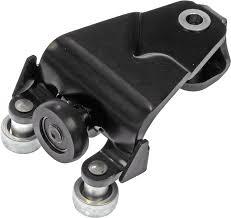
Automotive door hinges market plays an essential role in the global automotive supply chain as vehicles continue to evolve in design, safety, and performance. Door hinges are critical for structural integrity, smooth operation, and passenger safety. Market research highlights how growing vehicle production, electric mobility, and material innovation are driving demand, while cost pressures and supply chain risks create challenges. At the same time, new opportunities are emerging across regions and vehicle segments, shaping the future direction of this market.
Key Growth Drivers in the Market
One of the primary growth drivers is the steady increase in global vehicle production. Rising urbanization, population growth, and improved access to personal transportation are fueling demand for passenger and commercial vehicles. Each vehicle requires multiple door hinges, making production volume a direct contributor to market expansion. In addition, increasing focus on vehicle safety standards has elevated the importance of high quality hinge systems, supporting consistent demand across automotive manufacturers.
Influence of Electric Vehicle Expansion
Electric vehicles are becoming a major driver of change within the door hinges market. Electric platforms require lightweight components to improve driving range and efficiency. Door hinges must support reduced vehicle weight while maintaining strength and durability. This shift encourages manufacturers to adopt advanced materials and redesign hinge structures. As electric vehicle adoption grows worldwide, hinge suppliers aligned with this trend gain access to long term growth opportunities.
Technological Advancements Supporting Market Growth
Technology is transforming hinge design and manufacturing. Improved materials, precision engineering, and advanced surface treatments enhance durability and performance. Automated manufacturing processes improve consistency and reduce defects. These advancements allow suppliers to meet higher performance expectations while controlling costs. Technological progress also supports the development of hinges compatible with modern vehicle architectures and evolving design requirements.
Safety Regulations and Compliance Requirements
Safety regulations significantly influence hinge design and demand. Door hinges must meet strict requirements related to crash performance, load bearing capacity, and durability. Compliance with regional safety standards is mandatory for market participation. While regulations increase development complexity, they also drive innovation and quality improvement. Manufacturers that meet or exceed safety requirements strengthen customer trust and competitive positioning.
Challenges Related to Cost Pressures
Cost management remains a major challenge for hinge manufacturers. Raw material price fluctuations affect production expenses and pricing strategies. Balancing affordability with performance and safety is critical, especially in high volume vehicle segments. Manufacturers must optimize material usage, streamline designs, and improve production efficiency to remain competitive. Cost pressures are particularly intense in emerging markets where price sensitivity is high.
Supply Chain and Logistics Challenges
Global supply chains face disruptions related to material availability, transportation delays, and geopolitical factors. Door hinge production relies on consistent access to metals, coatings, and manufacturing equipment. Supply interruptions can affect delivery schedules and customer relationships. Companies are addressing these challenges by diversifying suppliers, strengthening regional production, and improving inventory management. Supply chain resilience is becoming a key competitive factor.
Regional Market Opportunities
Different regions present distinct growth opportunities. Asia Pacific dominates vehicle production and offers strong demand for cost effective hinge solutions. Europe focuses on advanced engineering, safety compliance, and lightweight vehicle components. North America emphasizes durability and regulatory alignment across diverse vehicle categories. Emerging regions show potential as automotive manufacturing capacity expands. Understanding regional dynamics helps companies target investments and product strategies effectively.
Role of Aftermarket Demand
The aftermarket segment contributes to long term market stability. As vehicles age, hinges require replacement due to wear or damage. Reliable aftermarket components help maintain vehicle safety and functionality. Demand for durable and compatible replacement hinges creates additional revenue opportunities for manufacturers. Serving both original equipment and aftermarket channels supports balanced growth and reduces reliance on new vehicle production cycles.
Sustainability and Environmental Considerations
Sustainability is gaining importance in the automotive components industry. Lightweight hinges reduce fuel consumption and emissions during vehicle operation. Efficient manufacturing processes lower energy use and waste. Durable hinge designs extend component lifespan, reducing replacement frequency. These factors align with broader environmental goals and influence purchasing decisions among vehicle manufacturers focused on sustainability.
Innovation as a Competitive Advantage
Innovation helps manufacturers overcome challenges and capture opportunities. Developing lightweight, durable, and cost effective hinge solutions strengthens market position. Continuous improvement in materials, coatings, and production methods supports long term competitiveness. Companies that invest in research and development can adapt more quickly to changing vehicle designs and regulatory requirements.
Investment and Expansion Strategies
Market research indicates growing investment in production capacity, automation, and technology upgrades. Expansion into emerging automotive regions improves market reach and reduces logistics costs. Investment supports scalability and responsiveness to customer needs. Strategic planning helps manufacturers balance risk and opportunity in a competitive global environment.
Future Market Opportunities
Future opportunities in the automotive door hinges market will be driven by electric vehicle growth, safety innovation, and regional expansion. Demand for lightweight and durable components will continue to rise. Emerging vehicle designs and new mobility trends may require flexible hinge solutions. Manufacturers that anticipate these changes and adapt early will benefit from sustained market growth.
Long Term Market Outlook
The automotive door hinges market is expected to grow steadily over the coming years. Growth drivers such as vehicle production, safety requirements, and electric mobility will outweigh challenges related to cost and supply chains. Companies that focus on quality, efficiency, and innovation will remain competitive. Market research highlights a future defined by balanced growth, technological advancement, and evolving global opportunities.

 English
 Arabic
 French
 Spanish
 Portuguese
 Deutsch
 Turkish
 Dutch
Dutch
 Italiano
 Russian
 Romaian
 Greek
Greek