


What Is a Vein Finder Device? How Vein Detection Technology Works
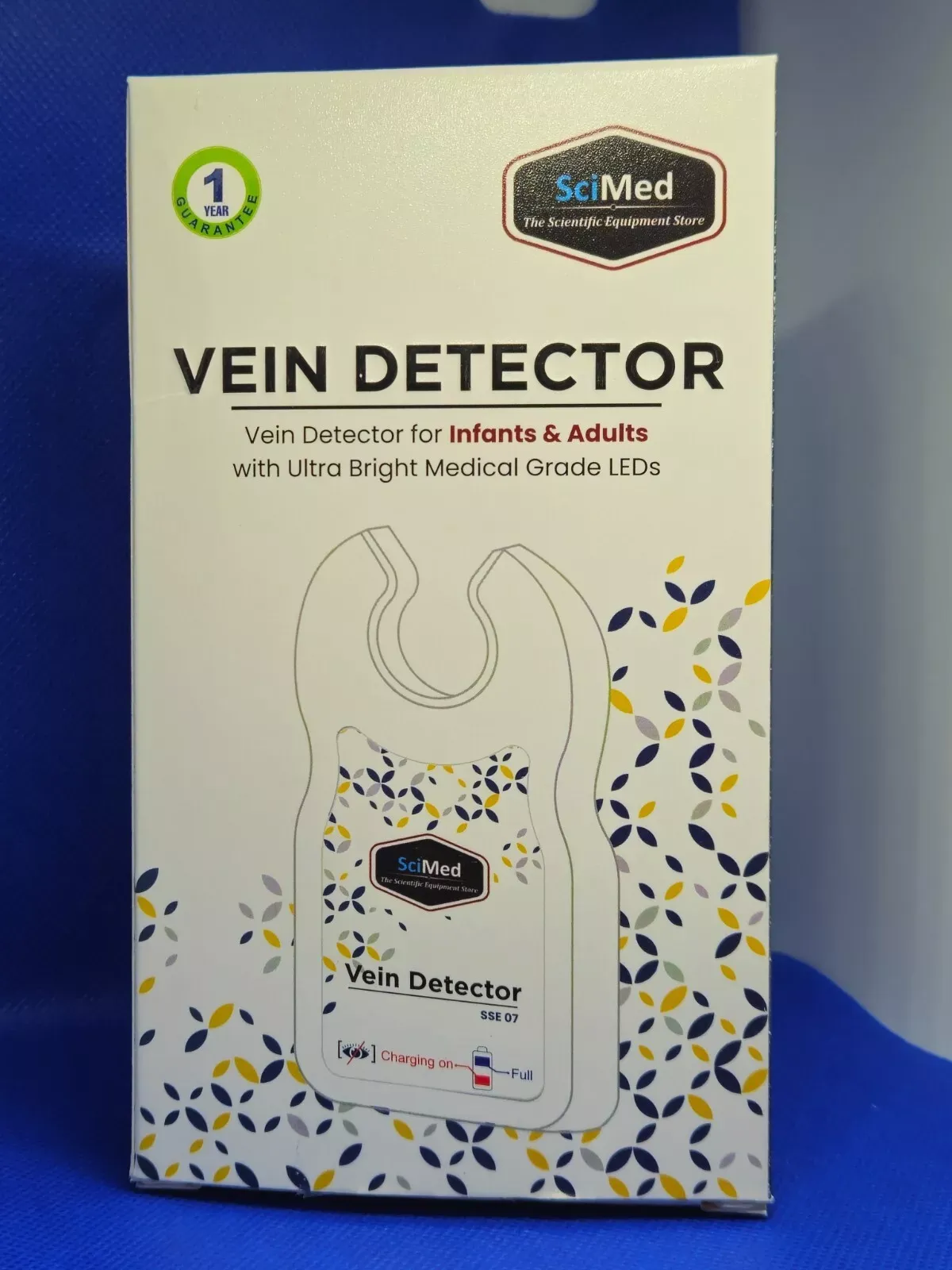
Finding veins sounds simple. In real clinical settings, it often is not. Factors like age, skin tone, hydration, obesity, and fragile veins slow down venous access. This is where a vein finder device becomes useful. It gives healthcare staff a clearer view of superficial veins before needle insertion, which reduces guesswork and repeat attempts.
This guide explains how vein detection technology works, who uses it, and what to look for before choosing one.
What Is a Vein Finder Device?
A vein finder device is a handheld medical tool used to locate superficial veins under the skin. It projects vein patterns onto the skin surface in real time. Nurses, doctors, and phlebotomists rely on it during injections, blood draws, IV placement, and cannulation.
Unlike manual palpation, this method shows vein paths visually. This helps during difficult access cases, including pediatric, geriatric, and dehydrated patients.
Common terms used for this technology include vein detector, vein finder device, and peripheral vein finder. Each refers to tools designed for safer venous access.
How Vein Detection Technology Works
Vein detection relies on near infrared light. Hemoglobin in blood absorbs this light, while surrounding tissue reflects it. The device captures this contrast and displays vein patterns on the skin.
Here is the process in simple steps:
-
Infrared light shines onto the skin
-
Blood absorbs more light than tissue
-
A sensor reads the contrast
-
Software converts data into a visible vein map
This projection updates instantly when the device moves. The result is a clear outline of veins without skin contact.
Types of Vein Finder Devices
Different care settings use different designs. Understanding the options helps during selection.
Handheld Projection Devices
These project veins directly onto the skin. They work well for bedside care and emergency use.
Tabletop or Stand-Based Units
Often found in hospitals and labs. These suit high volume blood collection areas.
Peripheral Vein Finder Models
Built for IV insertion and cannulation. These focus on arm and hand veins.
Each format supports specific workflows. Portability and battery life matter in fast paced environments.
Who Uses Vein Finder Devices?
Vein visualization tools serve a wide clinical audience.
-
Nurses handling IV access
-
Phlebotomists performing blood draws
-
Pediatric specialists working with infants
-
Emergency teams handling trauma cases
-
Dialysis staff managing repeated access
Infants and elderly patients benefit the most. Thin or fragile veins increase complication risk, so visual guidance improves success rates.
Benefits of Using a Vein Finder
Using a vein finder improves both clinical outcomes and patient comfort.
-
Fewer needle attempts
-
Reduced bruising and infiltration
-
Faster procedure time
-
Lower patient anxiety
-
Better workflow efficiency
Many hospitals adopt these tools as standard equipment due to measurable improvements in first stick success.
How to Choose the Best Vein Finder Device
Not all models perform equally. Focus on practical features rather than marketing claims.
Key factors to review:
-
Multiple color display modes
-
Adjustable brightness for different skin tones
-
Rechargeable battery support
-
Lightweight build for one hand use
-
Clear projection depth for peripheral veins
The best vein finder device balances clarity, portability, and ease of use. Devices supporting infants and adults offer better long term value.
Vein Finder vs Traditional Methods
Traditional vein location relies on sight and touch. This approach works for many patients, yet fails during complex cases.
A vein finder adds visual confirmation. It does not replace clinical skill. It supports it. Used correctly, it shortens procedures and improves patient trust.
Why Buy the Vein Finder Device from SciMed
SciMed offers a rechargeable vein detector designed for both infants and adults. The device supports all skin tones and provides real time vein projection with adjustable light settings. Its compact design suits hospitals, clinics, and emergency teams. SciMed also focuses on medical grade sourcing, product testing, and reliable after sales support. Clear product specifications and transparent pricing help buyers make informed decisions without confusion.
This makes SciMed a practical choice for healthcare professionals seeking dependable vein visualization equipment.
Frequently Asked Questions
1. What is a vein finder used for in hospitals?
A vein finder helps staff locate veins during injections, IV insertion, and blood collection. It improves accuracy during difficult venous access cases.
2. Does a vein detector work on all skin tones?
Most modern devices support a wide range of skin tones using adjustable infrared settings. Performance depends on device quality and calibration.
3. Is a vein finder safe for infants?
Yes. Medical grade devices use non invasive infrared light. Pediatric units use them daily for safer access.
4. How accurate is a peripheral vein finder?
Accuracy remains high for superficial veins used in IV therapy. Deeper veins require ultrasound based systems.
5. How long does a rechargeable vein finder last per charge?
Battery life varies by model. Most clinical units support several hours of continuous use on a single charge.

 English
 French
 Spanish
 Portuguese
 Deutsch
 Turkish
 Dutch
Dutch
 Italiano
 Russian
 Romaian
 Portuguese (Brazil)
 Greek
Greek