


Healthy Soil Compost Benefits Every Home Garden Needs
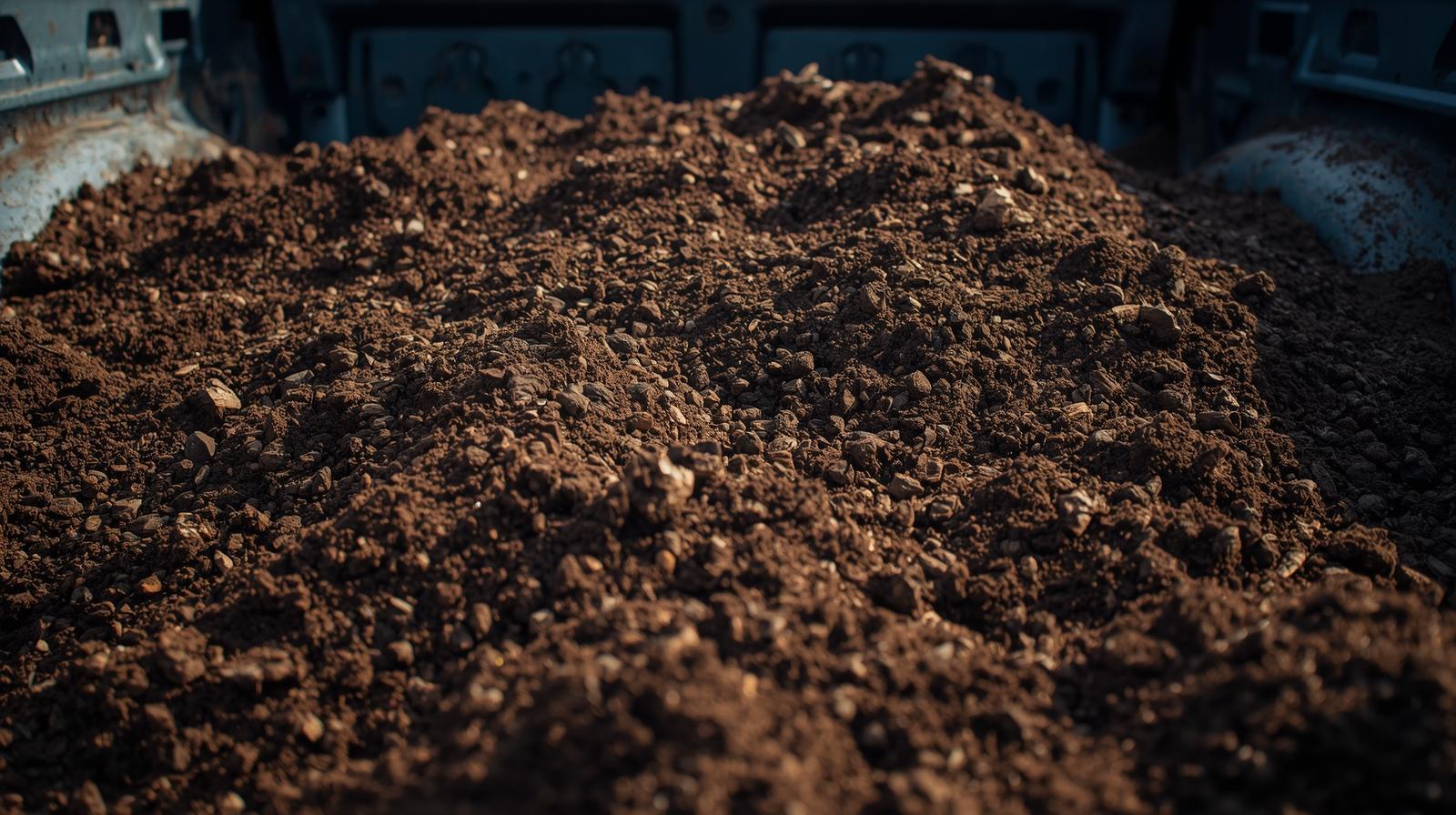
Strong gardens start below the surface, not with plants alone. The fastest way to improve growth, color, and soil strength is adding compost the right way.
Healthy soil compost improves structure, feeds plants naturally, and helps gardens handle heat and water stress. For Los Angeles homeowners, this matters even more due to dry soil and water limits. Compost builds soil that holds moisture, drains well, and supports roots year-round.
This guide explains why compost matters, how it works, and how it benefits lawns, gardens, and landscapes. Each section uses simple steps and expert-backed insights, so homeowners understand exactly how compost creates healthier outdoor spaces with lasting results.
Why Compost Is the Foundation of a Healthy Garden
Compost works because it improves soil from the inside out. It adds organic matter that feeds soil life and plants together.
Los Angeles soil is often compacted and low in nutrients. Compost loosens soil and improves airflow. This allows roots to spread and absorb water better. According to the University of California Agriculture and Natural Resources, organic matter improves soil structure and plant health.
Compost also helps soil hold moisture longer. This reduces watering needs during warm months. It creates balance by improving both drainage and water retention.
Another benefit is natural nutrition. Compost releases nutrients slowly, unlike chemical products. This steady feed supports steady growth. Gardens become stronger, greener, and easier to manage with consistent compost use.
How Compost Improves Soil Structure and Drainage
Soil structure affects everything plants do. Poor structure causes puddles or hard ground. Compost helps fix both.
When added to soil, compost creates spaces for air and water. Roots grow deeper and stronger. According to soil studies by the USDA, compost improves soil porosity and reduces erosion.
Heavy clay soil drains better with compost mixed in. Sandy soil holds water longer with added organic matter. This balance is key for lawns and garden beds.
Better structure also prevents runoff. Water stays where plants need it. Over time, soil becomes easier to work and less compacted. This supports long-term plant health and reduces maintenance issues.
Healthy Soil Compost and Nutrient Balance
Healthy soil compost feeds plants without stressing them. It delivers nutrients slowly and safely.
Unlike synthetic fertilizers, compost does not burn roots. It improves nutrient availability over time. Research from the Rodale Institute shows compost improves nutrient density and soil biology.
Compost provides key nutrients like nitrogen, phosphorus, and potassium. It also adds micronutrients plants need in small amounts. These nutrients support leaf color, root strength, and steady growth.
Another benefit is improved nutrient retention. Compost helps soil hold nutrients instead of washing away. This reduces waste and improves plant response. Gardens fed with compost often need fewer added products over time.
Compost Benefits for Lawns, Trees, and Garden Beds
Compost works across the entire landscape, not just flower beds. Lawns, trees, and shrubs all benefit.
For lawns, compost improves root depth and turf thickness. Topdressing lawns with compost improves soil health without disturbing grass. Studies from turf research programs show compost improves turf resilience.
Trees and shrubs benefit from compost mulch around the base. This protects roots, reduces weeds, and improves moisture retention. Compost also supports soil microbes that help roots absorb nutrients.
Garden beds respond quickly to compost. Plants show stronger growth and better yields. Compost supports both ornamental and edible plants, making it a versatile soil solution.
Using Compost the Right Way in Home Landscapes
Correct use matters as much as compost quality. Too much compost can cause issues.
Best Compost Application Tips
-
Mix compost into soil before planting
-
Use compost as topdressing for lawns
-
Apply 1–2 inches around plants
Avoid piling compost against plant stems. This can cause rot. Water compost lightly after application to help nutrients settle.
Timing also matters. Spring and fall are ideal for most landscapes. According to UC ANR, applying compost before planting improves soil readiness and plant success.
Proper use ensures compost improves soil without waste or mess.
When Professional Help Makes Compost Work Better
Compost works best when applied as part of a full soil plan. Professionals assess soil type, drainage, and plant needs.
Licensed landscapers test soil and apply compost evenly. They also combine compost with grading and irrigation improvements. According to landscape industry studies, integrated soil care improves plant survival rates.
Professionals prevent common mistakes. These include over-application and poor mixing. They also ensure compost supports sprinkler efficiency and lawn installation.
For homeowners who want fast, lasting results, expert application saves time and avoids repeat issues. Compost becomes a long-term investment, not a short-term fix.
Frequently Asked Questions
Q1: What is healthy soil compost made from?
Healthy compost includes decomposed plant material, food scraps, and organic waste. It should be dark, crumbly, and smell earthy. Quality compost contains nutrients and beneficial microbes that improve soil health.
Q2: How often should compost be added to gardens?
Most gardens benefit from compost once or twice a year. Spring and fall applications work best. Regular use improves soil structure and reduces the need for chemical products.
Q3: Can compost replace fertilizer completely?
In many cases, yes. Compost provides slow-release nutrients. Some lawns or plants may still need added nitrogen, but compost reduces overall fertilizer needs significantly.
Q4: Is compost safe for lawns and sprinklers?
Yes, when applied correctly. Compost improves soil without clogging sprinklers. Light topdressing supports turf growth and improves water absorption.
Q5: Does compost help save water?
Yes. Compost improves moisture retention. Studies from water conservation programs show compost-amended soil requires less frequent watering.
Conclusion
Healthy landscapes begin with strong soil, not surface fixes. Compost improves structure, feeds plants, and helps soil handle water and heat stress. When used correctly, it supports lawns, trees, and garden beds for years.
Homeowners who want dependable results often turn to professional care. With over 25 years of experience, 500+ local reviews, and deep expertise in lawn installation, landscaping, and sprinkler services, RototillerGuy delivers reliable, high-quality outdoor transformations.
For lasting results and stronger landscapes, healthy soil compost works best when paired with expert planning and skilled application.

 Arabic
 French
 Spanish
 Portuguese
 Deutsch
 Turkish
 Dutch
Dutch
 Italiano
 Russian
 Romaian
 Portuguese (Brazil)
 Greek
Greek