


Asbestos Cement Pipe Market Trends Shaped by Aging Pipeline Replacement
Introduction: Understanding the Asbestos Cement Pipe Market
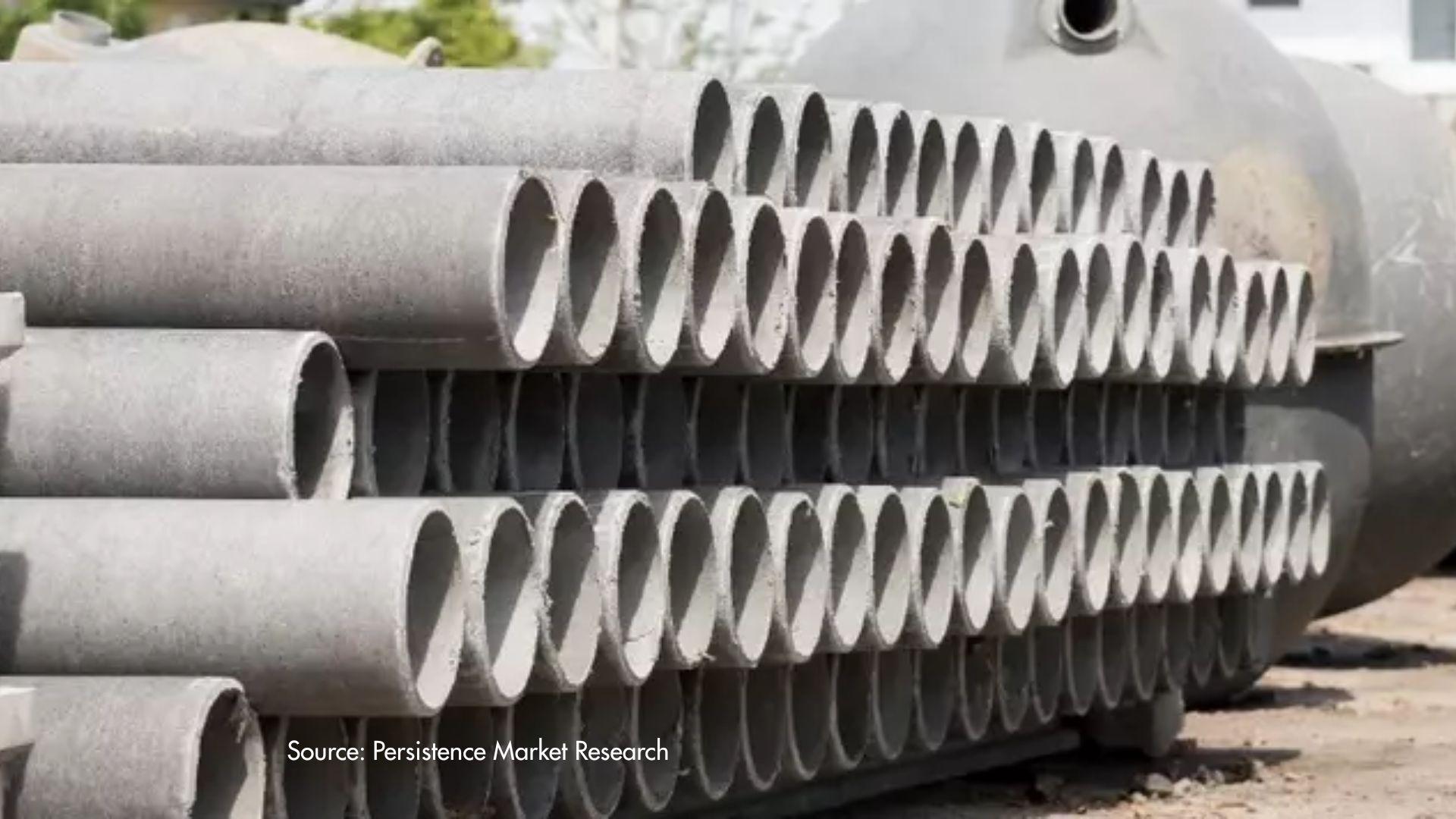
The asbestos cement pipe market has played a significant role in the development of water supply, sewage, and irrigation infrastructure across many regions of the world. Known for their durability, corrosion resistance, and cost-effectiveness, asbestos cement pipes have historically been widely used in municipal and industrial applications. Although regulatory scrutiny and health concerns have influenced material preferences in some regions, the market continues to witness steady demand in developing economies where infrastructure expansion remains a priority. As governments invest in water management and sanitation projects, the asbestos cement pipe market maintains its relevance within the broader construction and utilities landscape.
Market Size and Forecast: Steady Growth Ahead
The global asbestos cement pipe market is expected to demonstrate consistent growth over the forecast period, supported by infrastructure modernization and expanding urban populations. According to the Persistence Market Research report, the global asbestos cement pipe market is projected to be valued at approximately US$ 3.5 billion in 2026. Over the coming years, the market is anticipated to grow steadily and reach around US$ 4.7 billion by 2033. This expansion reflects a compound annual growth rate (CAGR) of 4.3% during the forecast period from 2026 to 2033, indicating sustained demand despite evolving regulatory and material trends.
Are Asbestos Cement Pipes Still Used Today?
A commonly searched question related to this industry is whether asbestos cement pipes are still in use today. Asbestos cement pipes continue to be used in several developing and emerging economies due to their affordability, long service life, and resistance to corrosion. While many developed countries have restricted or replaced asbestos-based materials with safer alternatives, existing asbestos cement pipelines remain operational and are often maintained rather than replaced due to high replacement costs. In regions with limited regulatory restrictions, these pipes are still installed in water supply and irrigation systems, particularly for non-potable applications, making them relevant in the global infrastructure market.
Key Market Drivers: Infrastructure and Water Management Needs
One of the primary drivers of the asbestos cement pipe market is the increasing need for reliable water supply and wastewater management systems. Rapid urbanization and population growth are placing pressure on existing infrastructure, prompting governments to invest in pipeline networks for drinking water distribution, sewage disposal, and stormwater management. Asbestos cement pipes, known for their strength and longevity, continue to be selected for these applications in cost-sensitive markets.
Additionally, agricultural expansion in developing regions is contributing to market growth. As irrigation networks expand to support food security initiatives, asbestos cement pipes are used for their ability to withstand varying soil conditions and water pressures. Their low maintenance requirements further enhance their appeal in rural and semi-urban infrastructure projects.
Material Advantages: Durability and Cost Efficiency
Asbestos cement pipes have long been valued for their technical properties. They offer excellent resistance to corrosion, chemical reactions, and biological growth, making them suitable for underground installations. Unlike metal pipes, they do not rust, and compared to some plastic alternatives, they exhibit higher resistance to heat and pressure fluctuations.
Cost efficiency is another critical advantage supporting market demand. Asbestos cement pipes are generally less expensive than many modern alternatives, particularly in large-scale infrastructure projects. Their long operational lifespan reduces the need for frequent replacements, helping municipalities and utility providers manage long-term capital and maintenance expenditures more effectively.
Applications and End-Use Sectors
The asbestos cement pipe market serves a wide range of applications, primarily in water supply and sewage systems. Municipal water distribution networks remain the largest end-use segment, as these pipes are well-suited for transporting potable and non-potable water over long distances. Sewage and drainage systems also account for a substantial share, given the pipes’ resistance to wastewater-related corrosion.
Industrial applications represent another important segment, where asbestos cement pipes are used for transporting process water and effluents. In agriculture, these pipes are widely used for irrigation canals and underground water conveyance systems, particularly in regions with arid climates and limited access to advanced materials.
Regional Insights: Demand Concentrated in Developing Economies
Geographically, the asbestos cement pipe market shows varied performance across regions. Demand has declined in many developed countries due to strict regulations and the adoption of alternative materials such as ductile iron, PVC, and HDPE pipes. However, developing regions in Asia Pacific, Latin America, the Middle East, and parts of Africa continue to represent strong demand centers.
Asia Pacific holds a prominent share of the global market, driven by large-scale infrastructure projects, expanding urban centers, and agricultural development. Countries with growing populations and ongoing investments in water and sanitation infrastructure continue to rely on asbestos cement pipes due to their affordability and availability. Similarly, regions in Africa and Latin America benefit from these pipes in rural water supply and irrigation projects.
Regulatory Environment and Health Considerations
The regulatory landscape surrounding asbestos cement pipes remains complex and region-specific. In many developed economies, the use of asbestos has been heavily restricted or banned due to health risks associated with asbestos fiber exposure. These regulations have significantly reduced new installations and shifted demand toward safer alternatives.
In contrast, some developing regions permit controlled use of asbestos cement products, particularly where fibers are encapsulated within cement matrices, reducing the risk of airborne exposure during normal use. Nevertheless, regulatory pressure is gradually increasing worldwide, encouraging manufacturers and end users to explore safer materials while managing existing asbestos cement infrastructure responsibly.
Challenges and Market Constraints
Despite steady growth prospects, the asbestos cement pipe market faces several challenges. Increasing awareness of health risks and environmental concerns is influencing public perception and policy decisions. This has led to declining acceptance in certain regions and limited new project approvals involving asbestos-based materials.
Additionally, competition from alternative piping materials poses a significant challenge. Plastic pipes, ductile iron pipes, and composite materials offer improved safety profiles and ease of installation, attracting investment and innovation. These alternatives are increasingly favored in urban and high-regulation markets, which may limit the long-term expansion of asbestos cement pipes globally.
Future Outlook: Balancing Demand and Transition
The future of the asbestos cement pipe market will largely depend on how effectively it balances ongoing infrastructure needs with regulatory and health considerations. While demand is expected to remain stable in developing regions over the forecast period, gradual transitions toward alternative materials are likely to shape long-term market dynamics.
Manufacturers may focus on maintaining existing infrastructure, offering repair and maintenance solutions, and supporting safe handling practices. At the same time, governments and utility providers are expected to adopt phased replacement strategies where feasible. With the market projected to grow from US$ 3.5 billion in 2026 to US$ 4.7 billion by 2033 at a CAGR of 4.3%, asbestos cement pipes will continue to hold a defined, though evolving, position within the global infrastructure materials market.
Explore the Latest Trending Research Reports:

 English
 French
 Spanish
 Portuguese
 Deutsch
 Turkish
 Dutch
Dutch
 Italiano
 Russian
 Romaian
 Portuguese (Brazil)
 Greek
Greek