


How Do Sewage Treatment Contractors Philippines Remove Sewage Contaminants
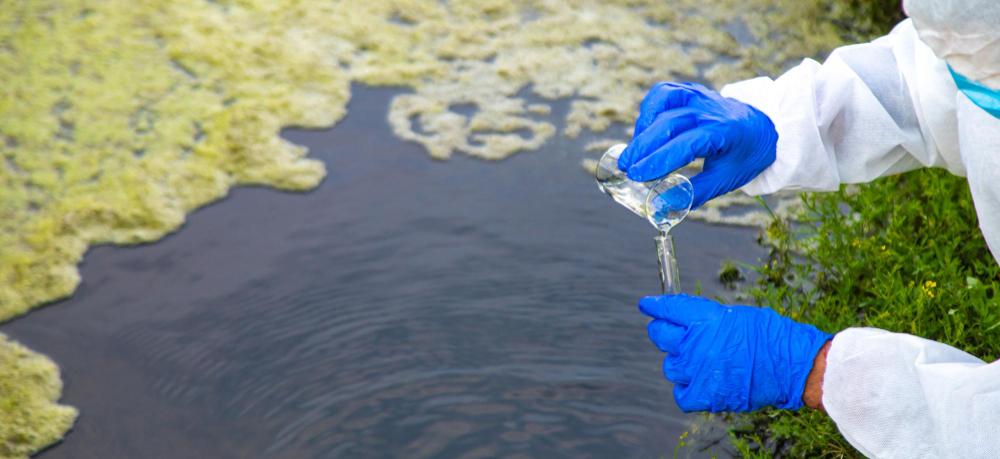
Sewage treatment contractors Philippines operations focus on removing harmful materials from wastewater before release. Sewage carries solids, chemicals, and organisms that affect water safety. Proper treatment supports healthier communities and cleaner surroundings. Contractors manage this process through clear and controlled stages.
What Sewage Contaminants Are
Sewage contaminants include solid waste, organic matter, and harmful microorganisms. These materials come from toilets, kitchens, and industrial drains. Without treatment, they affect soil and water quality. Contaminant removal reduces these risks.
Chemical substances also enter sewage systems. Cleaning agents, oils, and waste products mix with wastewater. High concentrations affect treatment efficiency. Contractors address these materials during processing.
Why Removing Sewage Contaminants Matters
Public health depends on proper sewage treatment. Untreated wastewater spreads bacteria and viruses. These organisms cause illness in nearby communities. Treatment lowers exposure risks.
Environmental protection also depends on proper removal. Rivers and coastal waters receive treated discharge. In the Philippines, many areas rely on local water sources. Clean discharge supports long term water use.
Collection and Screening Processes in Sewage Treatment
Treatment begins with wastewater collection. Contractors guide sewage into treatment facilities through pipes and channels. Screening removes large debris like plastics and rags. This protects system equipment.
Screening also improves water flow. Removing solids early prevents blockages. This step supports smoother operation. It prepares wastewater for further treatment.
Sedimentation Methods for Solid Removal
After screening, wastewater enters settling tanks. Heavy solids sink and form sludge layers. Lighter materials float and are skimmed away. This step reduces solid content.
Sedimentation lowers the load on later processes. Less solid waste improves treatment efficiency. Contractors monitor tank conditions regularly. Proper settling supports consistent results.
Biological Treatment Processes for Waste Breakdown
Biological treatment uses bacteria to reduce organic waste. Contractors manage oxygen levels to support these organisms. Bacteria consume waste materials naturally. This lowers organic pollution.
Aeration tanks support this process. Air keeps bacteria active and balanced. Contractors track oxygen and temperature levels. Controlled conditions support stable treatment.
Chemical Treatment Methods for Water Quality Improvement
Chemical treatment targets fine particles left in water. Contractors add agents that bind small materials together. These particles become heavier and settle easily. This step improves water clarity.
Chemical use follows measured guidelines. Proper dosing avoids system stress. Contractors adjust amounts based on water quality tests. This supports safe treatment.
Disinfection Stages for Reducing Harmful Organisms
Disinfection removes remaining bacteria and viruses. Contractors use chlorine or similar substances. This step prepares water for discharge. Controlled application protects downstream areas.
Disinfection occurs near the final stage. Contractors monitor contact time and levels. Proper control reduces harmful organisms. This supports safer water release.
Sludge Management and Disposal Practices
Sludge forms during sedimentation and treatment. Contractors thicken and dry this material. Reduced volume makes handling easier. Treated sludge moves to approved facilities.
Some sludge undergoes additional processing. This reduces odor and harmful content. Proper handling follows disposal rules. This limits environmental impact.
Monitoring Practices for Treatment Performance
Monitoring tracks treatment effectiveness. Contractors test water at different stages. These tests measure bacteria and chemical levels. Results guide system adjustments.
Record keeping supports inspections and reporting. Contractors document system performance. Monitoring supports consistent operation. This adds reliability to treatment systems.
Odor Control Practices During Sewage Treatment
Odor control is part of daily sewage treatment operations. Contractors use covered tanks, proper ventilation, and odor neutralizing systems. These methods limit the spread of unpleasant smells around facilities. Controlled airflow also supports safer working conditions for staff and nearby areas.
Advanced Filtration Methods for Final Water Quality
Advanced filtration removes fine particles that remain after earlier treatment stages. Contractors use sand filters or membrane systems to polish treated water. This step improves clarity and reduces remaining impurities. Filtration supports higher discharge quality standards.
Automation Systems Used in Sewage Treatment
Automation helps control flow rates, chemical dosing, and aeration levels. Contractors use sensors and control panels to track system performance. Automated systems reduce human error and support steady operation. This improves treatment consistency over time.
Emergency Response Planning for System Disruptions
Unexpected system issues require quick response. Contractors prepare emergency procedures for power loss or equipment failure. Backup systems and clear protocols limit service disruption. Prepared responses support continued treatment during unexpected events.
Staff Training and Its Impact on Treatment Quality
Ongoing staff training supports effective system operation. Contractors update skills related to equipment use and safety practices. Trained teams respond better to changes in system conditions. This supports consistent contaminant removal and stable performance.
Energy Efficiency Practices in Treatment Systems
Energy use affects daily sewage treatment operations. Contractors select equipment that supports balanced power consumption. Timers and control systems help regulate energy demand. Efficient energy use supports stable operations and lower operational strain.
Flow Equalization Methods for Treatment Stability
Flow equalization balances wastewater volume entering treatment systems. Contractors use holding tanks to manage sudden surges. Steady flow improves performance across treatment stages. This stability supports consistent contaminant removal.
Final Discharge Evaluation Before Water Release
Final discharge evaluation checks treated water quality. Contractors test samples for clarity and bacteria levels. Results confirm compliance with discharge limits. This final review supports safe release into approved waterways.
Key Takeaway
Effective contaminant removal depends on clear treatment stages and trained management. Sewage treatment contractors Philippines facilities rely on screening, biological action, chemicals, and monitoring. These steps reduce health risks and protect water sources. Proper treatment supports cleaner communities and safer environments.

 English
 Arabic
 French
 Spanish
 Portuguese
 Deutsch
 Turkish
 Dutch
Dutch
 Italiano
 Romaian
 Portuguese (Brazil)
 Greek
Greek