


Narcolepsy: Causes, Symptoms, and Effective Treatment Options
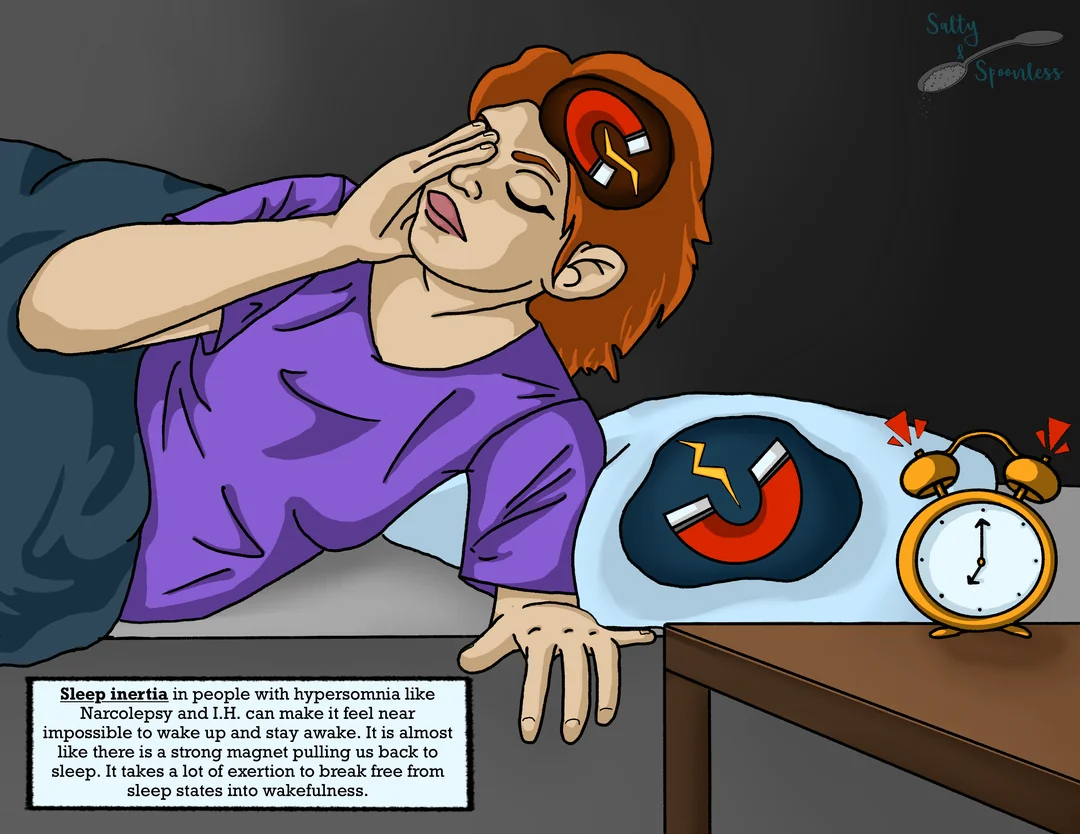
Narcolepsy is a chronic neurological sleep condition that interferes with the brain’s ability to manage normal sleep–wake rhythms. People affected by narcolepsy often struggle with intense daytime drowsiness, sudden sleep episodes, and difficulty staying mentally sharp during everyday tasks. While the condition has no permanent cure, modern therapies—particularly medications such as modafinil 200, Modalert 200mg, and Modalert 100mg—have helped many individuals regain structure, focus, and confidence in daily life.
This guide explains narcolepsy in clear, easy-to-understand language. It explores the causes, key symptoms, diagnosis process, and effective treatment options, with a strong emphasis on Modafinil-based therapy. The information is especially relevant for readers in Australia, where awareness and proactive management of sleep disorders continue to improve.
What Is Narcolepsy?
Narcolepsy is a long-term sleep disorder defined by excessive daytime sleepiness (EDS). People with this condition may fall asleep suddenly and without warning—during meetings, conversations, or even while driving. These episodes can pose safety risks and disrupt work, study, and social life.
Symptoms often begin during adolescence or early adulthood. However, many individuals remain undiagnosed for years because narcolepsy can easily be mistaken for stress, insomnia, burnout, or depression.
Causes of Narcolepsy
Narcolepsy develops due to a combination of neurological and biological factors. The most common contributors include:
1. Hypocretin (Orexin) Deficiency
Hypocretin is a brain chemical responsible for maintaining wakefulness. In many cases of narcolepsy, the immune system mistakenly damages the cells that produce hypocretin, leading to unstable sleep–wake regulation.
2. Genetic Influence
Narcolepsy is not directly inherited, but certain genetic markers increase susceptibility, especially when combined with environmental triggers.
3. Brain Injury or Infection
Trauma, tumors, or infections affecting the hypothalamus can disrupt sleep regulation and trigger narcolepsy-like symptoms.
4. Autoimmune Activity
Research suggests that narcolepsy may involve an autoimmune response, particularly following infections or periods of immune stress.
Common Symptoms of Narcolepsy
Symptoms vary from person to person. Some experience only a few, while others deal with multiple overlapping issues. Common signs include:
-
Excessive daytime sleepiness: Constant fatigue, even after adequate nighttime rest
-
Sleep attacks: Sudden, uncontrollable urges to fall asleep
-
Cataplexy: Brief muscle weakness triggered by strong emotions (in some individuals)
-
Sleep paralysis: Temporary inability to move or speak when falling asleep or waking
-
Fragmented nighttime sleep: Frequent awakenings and restless sleep
Because not everyone experiences every symptom, diagnosis can be delayed.
How Narcolepsy Is Diagnosed
Doctors rely on a combination of clinical assessment and specialized testing to confirm narcolepsy. Common diagnostic tools include:
-
Polysomnography (overnight sleep study)
-
Multiple Sleep Latency Test (MSLT)
-
Neurological and sleep history evaluations
Early diagnosis helps reduce risks such as accidents, reduced performance, and emotional strain.
Treatment Options for Narcolepsy
Although narcolepsy cannot be cured, symptoms can be managed effectively. The best outcomes usually come from combining medication with supportive lifestyle habits.
Lifestyle and Behavioural Strategies
-
Planned daytime naps
-
Consistent sleep–wake schedules
-
Avoiding alcohol and heavy meals before bedtime
-
Regular physical activity
These strategies help, but for most people, medication remains essential.
Modafinil-Based Treatment for Narcolepsy
One of the most commonly prescribed treatments for narcolepsy is modafinil, a wakefulness-promoting medication. Unlike traditional stimulants, modafinil supports alertness without excessive stimulation.
Active Ingredient: Modafinil
Modafinil works by influencing neurotransmitters linked to alertness, attention, and mental clarity. It promotes sustained wakefulness while allowing clear thinking, making it suitable for long-term use under medical supervision.
Modalert 100mg: Support for Mild to Moderate Sleepiness
Modalert 100mg contains a lower dose of modafinil and is often recommended for individuals with milder symptoms or those starting treatment.
Key advantages include:
-
Improved alertness and concentration
-
Lower risk of side effects
-
Ideal for gradual dose adjustment
Modalert 200: Stronger Control for Severe Symptoms
Modalert 200 is typically prescribed for moderate to severe narcolepsy. It delivers a higher dose of modafinil, offering longer-lasting daytime alertness.
Why many patients choose Modalert 200:
-
Better control of excessive sleepiness
-
Enhanced work and study performance
-
Fewer unexpected sleep attacks
For many patients, modafinil 200 becomes the standard option when lower strengths are not sufficient.
Benefits of Modafinil 200 for Narcolepsy
Compared to older stimulant medications, modafinil-based treatments are known for their balanced profile. Users frequently report:
-
Sharper focus and mental clarity
-
Fewer energy crashes
-
Lower dependency risk
-
Better tolerance for daily use
This makes Modalert formulations especially useful for people managing demanding work or study schedules.
Narcolepsy Treatment in Australia
In Australia, recognition of sleep disorders has improved significantly. Sleep clinics, neurologists, and general practitioners increasingly identify narcolepsy early and recommend modern treatment plans. Modafinil-based options, including Modalert 100mg and Modalert 200, are commonly discussed as part of supervised care for excessive daytime sleepiness.
Australian patients often achieve the best results by combining medication with structured routines and regular follow-ups.
Frequently Asked Questions (FAQs)
Q1: Is modafinil 200 effective for narcolepsy?
Yes. Modafinil 200 is widely used to manage excessive daytime sleepiness and improve daily alertness.
Q2: What’s the difference between Modalert 100mg and Modalert 200?
The difference lies in strength. Modalert 100mg suits mild symptoms or new users, while Modalert 200 offers stronger, longer-lasting wakefulness.
Q3: Does Modalert cure narcolepsy?
No. It does not cure narcolepsy, but it effectively controls symptoms and improves quality of life.
Q4: Can narcolepsy be managed long-term?
Yes. With proper diagnosis, medication, and lifestyle adjustments, many people manage narcolepsy successfully for years.
Q5: Is modafinil safe for daily use?
Modafinil is commonly prescribed for regular use under medical supervision, with dosage tailored to individual needs.
Conclusion
Narcolepsy can be disruptive, but it doesn’t have to dictate the future. Understanding the condition and choosing the right treatment can restore balance and productivity. Medications such as Modalert 100mg, Modalert 200, and modafinil 200 play a central role in managing excessive daytime sleepiness and maintaining daily performance.
For individuals in Australia, improved access to sleep medicine and growing awareness of narcolepsy open the door to earlier diagnosis and more effective care. With the right support, people living with narcolepsy can stay alert, engaged, and in control—one well-managed day at a time.

 Arabic
 French
 Spanish
 Portuguese
 Deutsch
 Turkish
 Dutch
Dutch
 Italiano
 Russian
 Romaian
 Portuguese (Brazil)
 Greek
Greek