


Build Reliable Eating Habits Using Weekly Meal Planning
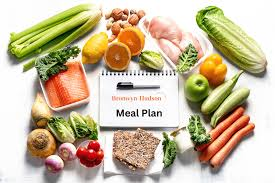
The way we eat each day is often shaped by convenience rather than intention, which is why Meal Planning Is Important For Healthy Eating when the goal is to create consistency, balance, and long-term nourishment. Without a plan, it becomes easy to rely on processed foods, skip meals, or overeat later in the day. Weekly meal planning offers a practical framework that supports smarter food choices while reducing daily stress around what to eat.
Reliable eating habits are not built overnight. They develop through small, repeatable actions that make healthy choices easier than unhealthy ones. Meal planning acts as a guide, helping individuals align their food intake with personal goals, schedules, and preferences. Over time, this structure builds confidence, discipline, and awareness around food decisions.
When done correctly, meal planning also supports Health and wellness, as it encourages balanced nutrition, mindful eating, and better portion control. Instead of reacting to hunger with quick fixes, you respond with prepared, nourishing meals that support both physical and mental well-being.
Understanding the Purpose of Weekly Meal Planning
Weekly meal planning is more than writing down a list of meals. It is a system that connects your nutritional needs with your lifestyle. By planning ahead, you reduce uncertainty and create a clear path for consistent eating habits.
Why Planning Ahead Matters
Planning meals in advance saves time, reduces last-minute food decisions, and limits unhealthy impulse eating. When meals are planned, grocery shopping becomes more focused, food waste decreases, and budgets are easier to manage. This proactive approach also minimizes reliance on takeout or packaged foods.
How Weekly Planning Builds Consistency
Consistency is key to forming reliable eating habits. A weekly plan sets expectations for what and when you eat, making it easier to stick to regular meal times. This rhythm helps regulate hunger cues, energy levels, and digestion throughout the week.
The Connection Between Meal Planning and Eating Habits
Eating habits are shaped by routines. Meal planning strengthens routines by creating predictability and structure around food.
Reducing Decision Fatigue
One of the biggest barriers to healthy eating is decision fatigue. Constantly deciding what to eat can be mentally exhausting, leading to poor choices. Meal planning eliminates this burden by making decisions once for the entire week.
Encouraging Balanced Meals
When meals are planned ahead, there is more opportunity to include a variety of food groups. Balanced meals with proteins, carbohydrates, healthy fats, and vegetables become the norm rather than the exception.
Steps to Create a Weekly Meal Plan That Works
A successful meal plan should be realistic, flexible, and tailored to your lifestyle.
Assess Your Weekly Schedule
Start by reviewing your week. Identify busy days, social events, or times when cooking may be limited. This helps determine which meals need to be quick, make-ahead, or flexible.
Choose Simple, Repeatable Meals
Complex recipes can be discouraging. Select meals that are easy to prepare and can be reused in different ways. Simple meals are more likely to be followed consistently.
Plan for All Meals and Snacks
Reliable eating habits include not just main meals but snacks as well. Planning snacks prevents long gaps between meals and reduces the likelihood of overeating later.
Grocery Shopping With Intention
Meal planning and grocery shopping go hand in hand. A thoughtful shopping approach supports your plan and keeps you on track.
Build a Focused Shopping List
A clear list based on your meal plan prevents impulse purchases. It also ensures you have all the ingredients needed, reducing midweek disruptions.
Shop the Perimeter First
Focusing on fresh produce, lean proteins, and whole foods helps reinforce healthier choices. This habit aligns your shopping behavior with your eating goals.
Meal Preparation Strategies for the Week
Preparation is where planning turns into action. Even minimal prep can make a significant difference.
Batch Cooking for Efficiency
Preparing larger portions of staple foods like grains, proteins, or vegetables saves time during the week. These components can be mixed and matched to create different meals.
Portioning Meals in Advance
Dividing meals into individual portions supports portion control and makes meals convenient. This approach is especially helpful for workdays or busy evenings.
Building Flexibility Into Your Meal Plan
Rigid plans can lead to frustration. Flexibility ensures your meal plan remains sustainable.
Allow Room for Changes
Unexpected events happen. Planning one or two flexible meals allows you to adapt without feeling like you have failed.
Include Enjoyment Foods
Reliable eating habits do not mean restriction. Including favorite foods in moderation makes the plan enjoyable and easier to maintain long term.
How Meal Planning Supports Long-Term Eating Habits
Meal planning is not a short-term solution. It is a foundation for lifelong eating patterns.
Reinforcing Mindful Eating
Knowing what you will eat encourages mindful choices and reduces emotional eating. Meals become intentional rather than reactive.
Creating a Positive Relationship With Food
When food is planned and prepared thoughtfully, it becomes a source of nourishment rather than stress. This positive relationship supports consistency and confidence around eating.
Overcoming Common Meal Planning Challenges
Like any habit, meal planning comes with obstacles. Recognizing them helps you stay consistent.
Lack of Time
Time constraints are common, but even a simple plan with three to four planned dinners can make a difference. Start small and build gradually.
Loss of Motivation
Motivation fluctuates. Keeping meals simple, rotating favorites, and reminding yourself of the benefits helps maintain momentum.
Adapting Meal Planning to Different Lifestyles
Meal planning is versatile and can be adjusted to suit individual needs.
For Busy Professionals
Quick recipes, slow cooker meals, and pre-prepped ingredients work well for tight schedules.
For Families
Planning meals that can be customized allows everyone to feel included while maintaining structure.
For Individuals
Solo meal planning can focus on batch cooking and freezing portions to avoid repetition fatigue.
The Role of Weekly Review and Adjustment
Reviewing your plan at the end of each week strengthens the habit.
Reflect on What Worked
Identify meals that were easy, enjoyable, and satisfying. These can become staples in future plans.
Improve What Didn’t Work
Adjust portions, recipes, or prep methods based on your experience. Continuous improvement keeps meal planning effective and realistic.
Long Term Benefits of Reliable Eating Habits
Consistent meal planning leads to benefits beyond nutrition.
Improved Energy and Focus
Regular, balanced meals stabilize energy levels and support mental clarity throughout the day.
Reduced Stress Around Food
Knowing what you will eat removes daily uncertainty, creating a sense of control and calm.
Over time, meal planning becomes second nature. What once required effort turns into a lifestyle that supports overall well-being.
Conclusion
Building reliable eating habits does not require perfection, but it does require intention. Weekly meal planning offers a clear, practical pathway to consistency, balance, and confidence around food. By planning ahead, preparing thoughtfully, and allowing flexibility, individuals can create eating routines that support their goals and fit their lives. With time and repetition, weekly meal planning becomes a powerful tool for sustaining healthier choices and a more organized approach to daily nourishment.

 English
 French
 Spanish
 Portuguese
 Deutsch
 Turkish
 Dutch
Dutch
 Italiano
 Russian
 Romaian
 Portuguese (Brazil)
 Greek
Greek