


Why Do Some Snow Removal Methods Fail
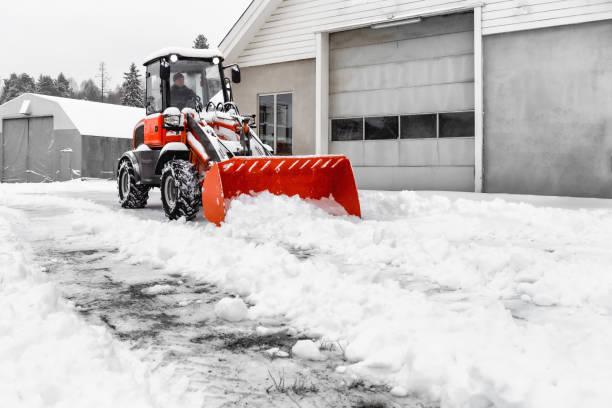
Snow removal is a critical part of winter home and business maintenance. From residential driveways to commercial parking lots, ineffective snow removal can lead to accidents, property damage, and significant inconvenience. According to the National Oceanic and Atmospheric Administration (NOAA), winter storms cost the U.S. economy over $3 billion annually in damages and lost productivity. Despite the wide availability of snow removal tools and techniques, many homeowners and businesses still struggle to keep surfaces safe. This blog explores why some snow removal methods fail and offers strategies to improve efficiency. Many property owners also combine winter maintenance with other snow removal services to ensure safety and accessibility.
How Snow Removal Works
Snow removal involves the use of tools, chemicals, and equipment to clear snow and ice from driveways, sidewalks, streets, and parking lots. Its primary goals are safety, accessibility, and protection of property.
Common methods include:
-
Shoveling: Manual removal of snow from small areas.
-
Snow blowing: Mechanized removal for larger surfaces.
-
Plowing: Efficient for driveways, streets, and parking lots.
-
De-icing: Chemicals like salt or calcium chloride to prevent ice formation.
The effectiveness of these methods depends on factors like snow type (wet, dry, or icy), temperature, surface texture, and timing of removal. Without understanding these variables, even well-intentioned snow clearing can fail.
Common Reasons Snow Removal Methods Fail
Even experienced homeowners and contractors encounter failures. The most frequent causes include:
Improper Timing
-
Clearing snow too early may cause it to refreeze into ice.
-
Waiting too long allows heavy accumulation, making removal more difficult.
Wrong Equipment or Tools
-
Using a shovel for a large driveway or commercial lot is inefficient.
-
Small snow blowers or underpowered plows struggle in heavy, wet snow.
Ineffective De-icing Materials
-
Table salt is ineffective below 15°F, leaving surfaces icy.
-
Incorrect chemical application can damage concrete, plants, and pets.
Human Error
-
Inconsistent effort, poor technique, or incomplete coverage reduces effectiveness.
-
Lack of experience or planning can result in patches of ice or leftover snow.
Extreme Weather Conditions
-
Heavy snowfalls or freezing rain can overwhelm equipment and human capacity.
-
Rapid temperature drops turn cleared surfaces into hazardous ice sheets.
Equipment and Tool Limitations
Selecting the right tools is crucial. Homeowners often rely on manual shoveling, while larger properties may require snow blowers or plows.
Key limitations include:
-
Shovels are physically demanding and slow for large areas.
-
Residential snow blowers may struggle with heavy or wet snow.
-
Plows require trained operators and proper vehicle attachment.
Surveys show that only 65% of homeowners are satisfied with DIY snow removal during major storms, emphasizing the need for proper equipment and planning.
Chemical De-icers and Their Challenges
De-icing chemicals can be highly effective if used properly but have limitations.
Common de-icing chemicals:
-
Rock salt (sodium chloride)
-
Calcium chloride
-
Magnesium chloride
-
Potassium chloride
Challenges include:
-
Temperature sensitivity: Salt fails below 15°F, calcium chloride works better in extreme cold.
-
Surface damage: Overuse can deteriorate concrete and asphalt.
-
Environmental impact: Chemicals can harm plants and waterways.
Eco-friendly alternatives, like sand or potassium acetate, are gaining popularity for residential and commercial use.
Human Factors in Snow Removal
The success of snow removal also depends on human factors:
-
Physical limitations: Shoveling heavy snow can cause injuries.
-
Planning errors: Misjudging snowfall severity leads to delays and inefficiency.
-
Consistency issues: Uneven coverage leaves dangerous patches.
For commercial properties, trained crews following schedules are essential, while residential areas may rely on reliable house cleaning services or professional winter maintenance teams to maintain both indoor and outdoor safety.
Case Studies of Snow Removal Failures
Residential Example
-
A homeowner shoveled lightly during a storm, but the remaining thin layer of snow refroze overnight, creating a slippery driveway.
Commercial Example
-
A parking lot plowed partially with insufficient salt coverage left icy patches, leading to minor accidents and liability claims.
Municipal Example
-
City streets clogged due to delayed plowing after heavy snowfall, causing traffic disruptions and accidents.
Key takeaway: Proper planning, equipment, and timing are critical for effective snow removal.
Best Practices to Prevent Snow Removal Failures
To improve outcomes, consider the following strategies:
-
Plan ahead: Monitor weather forecasts and pre-treat surfaces.
-
Choose the right equipment: Use shovels, snow blowers, or plows appropriate for the area size.
-
Select effective de-icers: Match chemical type with expected temperature and snow type.
-
Remove snow promptly: Clear light snow regularly rather than waiting for heavy accumulation.
-
Train personnel: For commercial properties, ensure staff understand safety and application techniques.
-
Incorporate technology: Use GPS-guided plows, heated driveways, and smart salt spreaders for efficiency.
Commercial Snow Removal Considerations
Commercial properties face larger areas and higher liability risks than residential homes. According to the U.S. Small Business Administration, slip-and-fall accidents in winter can cost businesses $70,000+ per incident.
Benefits of professional snow removal services include:
-
Faster, safer removal of snow from large areas
-
Proper application of de-icing materials
-
Reduced liability and property damage
-
Consistent monitoring during storms
Hiring experienced snow removal services ensures that commercial and residential properties remain safe, accessible, and compliant with local regulations.
Future Trends in Snow Removal
Snow removal technology continues to evolve, improving efficiency and environmental impact.
Emerging trends include:
-
Smart plows: GPS-guided systems optimize coverage.
-
Heated surfaces: Driveways and walkways that melt snow automatically.
-
Eco-friendly de-icers: Chemicals that are effective yet environmentally safe.
-
Predictive scheduling: Using weather data to plan preemptive snow removal.
-
Professional service growth: Increasing demand for companies specializing in large-scale or commercial snow management.
These trends are making snow removal safer, faster, and more sustainable.
Conclusion
Snow removal methods often fail due to timing errors, improper equipment, ineffective chemicals, human mistakes, and extreme weather. Effective snow management requires planning, proper tools, skilled personnel, and sometimes professional assistance. Whether for residential driveways or large commercial lots, combining best practices with modern technology ensures safety, efficiency, and reduced liability. Investing in professional snow removal services or integrating seasonal maintenance with house cleaning services can create a seamless winter management strategy for homes and businesses alike.

 English
 Arabic
 French
 Spanish
 Portuguese
 Deutsch
 Turkish
 Dutch
Dutch
 Italiano
 Romaian
 Portuguese (Brazil)
 Greek
Greek