


School Furniture: Key Factors Every School Should Consider Before Buying
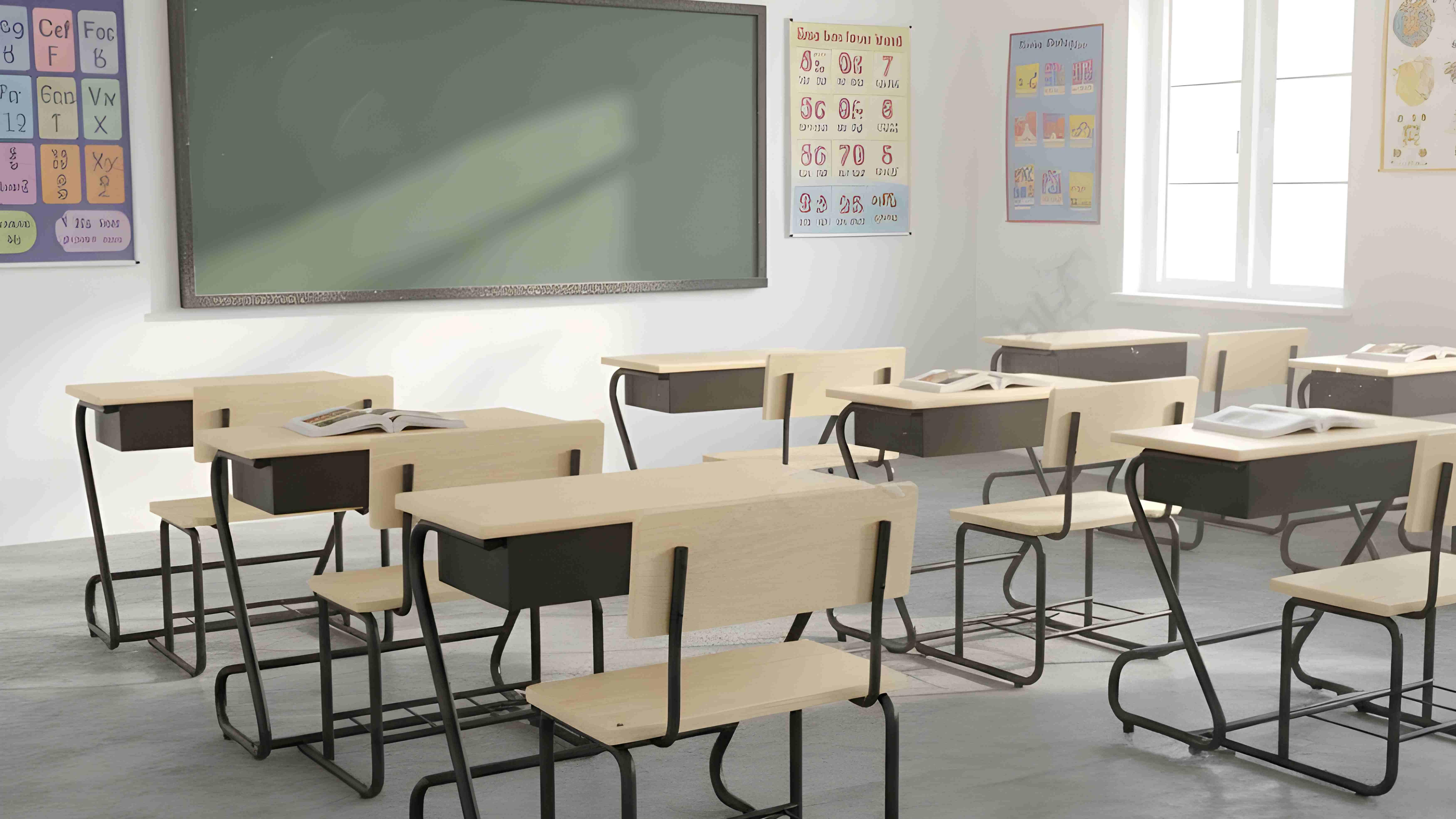
A few years ago, a news story made headlines when a group of students in a primary school suffered minor injuries due to a classroom bench collapsing mid-session. While no major harm occurred, the incident highlighted a critical reality poor-quality school furniture is not just uncomfortable—it can be dangerous.
Such mishaps often happen due to the use of worn-out desks, unstable chairs, non-ergonomic designs or furniture purchased without proper evaluation. Yet, school furniture is one of the most overlooked elements in the learning environment—even though students spend over 1,000 hours every year sitting in classrooms.
Choosing the right School Furniture isn’t merely about aesthetics. It impacts:
- Student posture and long-term health
- Classroom engagement and focus
- Safety and durability
- School branding and parent perception
- Teacher efficiency and classroom management
That’s why academic institutions—whether preschools, K–12 schools, or colleges—must assess multiple factors before purchasing anything. And working with an experienced School Furniture Manufacturer becomes essential to ensure quality, compliance and value.
This detailed guide covers everything schools must evaluate before making the right investment.
Why School Furniture Matters More Than Most People Realize
In education, even small factors influence learning outcomes—and furniture is one of the biggest. Research published in learning-environment studies indicates that ergonomic seating can improve student focus by up to 15–20%, while poorly designed desks can lead to posture issues, back pain and frequent restlessness.
Moreover, modern pedagogy emphasizes flexible learning, collaboration, activity-based sessions, and safe student movement. Outdated classroom furniture limits all of this.
High-quality school furniture affects:
1. Student Health & Comfort
Proper lumbar support, correct height ratios and smooth edges prevent strain and injuries.
2. Concentration & Academic Performance
Comfort directly impacts cognitive endurance. Uncomfortable students get distracted more easily.
3. Classroom Flexibility
Lightweight, movable and modular furniture allows teachers to reorganize classrooms faster.
4. Long-Term Cost Savings
Durable materials reduce maintenance and replacement costs.
5. School Reputation
Parents often judge school quality by its infrastructure—furniture plays a visible role.
Clearly, making the right choice is not optional—it’s a responsibility.
Key Factors Every School Should Consider Before Buying School Furniture
1. Safety First: Compliance, Build Strength & Child-Friendly Design
Safety should always be the number one priority. Schools must ensure the selected furniture meets:
- Child safety standards
- Non-toxic finishes
- Rounded corners
- Sturdy construction with no wobbling
- Anti-tip designs
- Certified materials
Good school furniture manufacturers test load capacity, impact strength and surface resistance. Ask for:
- Safety certifications
- Material test reports
- Warranty details
Cheap or poorly made furniture often seems like a “budget-friendly” choice but costs more due to accidents, repairs and replacements.
2. Ergonomics: Furniture That Supports Growing Bodies
Children grow rapidly—so furniture must support healthy posture and natural movement.
Ergonomic Features to Prioritize
- Correct desk-to-seat height ratio
- Backrests that follow natural spine curves
- Adjustable height options for mixed-age groups
- Foot support for younger children
- Lightweight yet stable construction
- Adequate leg space
Non-ergonomic furniture leads to long-term physical issues including:
- Back pain
- Poor posture
- Reduced focus
- Fatigue
Teachers also benefit from ergonomic chairs and adjustable tables, reducing strain during long working hours.
3. Age-Appropriate Design
Furniture must be designed for the specific age group using it.
For Preschool
- Soft edges
- Low height
- Vibrant colours
- Lightweight designs
- Interactive shapes (round tables, activity stations)
For Primary School
- Medium height
- Durable materials
- Easy-to-clean surfaces
- Storage-friendly options
For High School
- Larger seating capacity
- Ergonomic back support
- Spacious desks
- Minimalistic, modern designs
For Labs & Libraries
- Chemical-resistant surfaces (lab)
- Noise-absorbing materials (library)
- Heavy-duty chairs for long hours
Buying “one-size-fits-all” furniture is one of the most common—and costly—mistakes schools make.
4. Material Selection: Durability, Maintenance & Budget
Different materials offer different benefits. Schools should choose based on:
- Durability
- Cost
- Aesthetic preference
- Usage intensity
- Maintenance levels
Common Materials Used in School Furniture
|
Material |
Pros |
Cons |
|
Metal + Wood Hybrid |
Strong, durable, long-lasting |
Slightly heavier |
|
Engineered Wood (Particleboard, MDF) |
Aesthetic, budget-friendly |
Less durable than hardwood |
|
Plastic (HDPE, PP) |
Lightweight, colourful, safe |
Lower weight-bearing capacity |
|
Solid Wood |
Premium, elegant |
Expensive, heavier |
|
Plywood |
Stronger than MDF, versatile |
Requires high-quality finish |
For heavy usage areas like high schools, metal + wood combinations are ideal.
For pre-primary classrooms, plastic and engineered wood work best.
5. Design Versatility & Modern Classroom Needs
Schools are shifting from traditional rows to dynamic learning spaces.
Furniture should support:
- Group activities
- Individual learning
- Digital learning setups
- Maker spaces
- STEM labs
- Movement-friendly layouts
Look for designs like:
- Foldable desks
- Nesting chairs
- Mobile storage cabinets
- Modular seating
- Flexible tables that can reconfigure into clusters
A modern school furniture manufacturer should offer customized solutions for different teaching styles.
6. Space Optimization & Classroom Layout Planning
Before purchasing furniture, measure classroom dimensions and plan layouts.
Consider:
- Student capacity
- Movement flow
- Teacher accessibility
- Ventilation and lighting points
- Digital equipment placement
- Emergency pathways
Schools often benefit from consulting manufacturers who offer 3D layout planning to visualize furniture before buying.
7. Durability, Warranty & After-Sales Service
School furniture undergoes intense daily use—so longevity matters.
What to Ask Manufacturers:
- Warranty period
- Replacement policy
- Service availability
- Spare parts support
- Maintenance guidelines
A trustworthy school furniture manufacturer will offer at least 3–5 years of warranty on structural components.
8. Eco-Friendly & Sustainable Choices
With environmental awareness rising, schools are adopting sustainable options.
Look for:
- FSC-certified wood
- Recyclable plastic
- Low-VOC paints
- Eco-friendly laminates
- Energy-efficient manufacturing practices
Choosing green furniture not only protects the environment but also improves indoor air quality.
9. Cost vs. Value: Making the Right Investment
The cheapest option often ends up being the most expensive in the long run.
Consider the total value:
- Lifespan
- Maintenance cost
- Repair frequency
- Safety features
- Comfort level
- Warranty coverage
A reputable school furniture manufacturer will help schools balance quality with budget—without compromising safety.
10. Customization Options
Every school has unique requirements. Customization helps schools create:
- Theme-based classrooms
- Brand-aligned interiors
- Space-saving designs
- Special-needs-friendly furniture
- Lab or library-specific setups
Look for manufacturers offering:
- Custom colour options
- Size variations
- Branding integration
- Layout planning
- Special furniture for differently-abled students
Expert Tips for Schools Before Purchasing Furniture
1. Always request actual product samples
Photos can be misleading—test the physical sample.
2. Visit the manufacturer’s unit
This helps verify the quality of materials and processes.
3. Ask for references from other schools
See how the furniture performs after years of use.
4. Conduct a pilot setup in one classroom
Test student comfort, teacher convenience, and layout adaptability.
5. Plan long-term scalability
Choose furniture that can be added, expanded, or reconfigured.
FAQs About School Furniture
1. Why is high-quality school furniture important?
It ensures student comfort, promotes good posture, improves concentration, and minimizes injury risks. It also helps schools create a safer, more effective learning environment.
2. How do I choose the right school furniture manufacturer?
Look for experience, certifications, warranty, customization options, manufacturing quality, and after-sales service.
3. What materials are best for school furniture?
Metal-wood hybrids and high-grade plywood are ideal for durability, while engineered wood and plastic suit early childhood classrooms.
4. Should schools invest in ergonomic furniture?
Yes. Ergonomic designs reduce fatigue, prevent posture issues, and help students focus longer.
5. How often should school furniture be replaced?
High-quality furniture lasts 8–12 years, depending on usage and maintenance.
Conclusion
School furniture plays a critical role in shaping the learning environment. From safety and ergonomics to durability and design flexibility, the right furniture directly impacts student well-being, engagement, and school reputation.
Working with a professional School Furniture Manufacturer ensures quality, customization and long-term value. Instead of seeing furniture as an expense, schools should treat it as an investment in educational excellence.

 English
 Arabic
 French
 Spanish
 Portuguese
 Deutsch
 Turkish
 Dutch
Dutch
 Italiano
 Russian
 Portuguese (Brazil)
 Greek
Greek