


Virtual Power Plant Market Opportunities Growing in North America and Europe
Introduction: Transforming the Energy Ecosystem Through Digitization
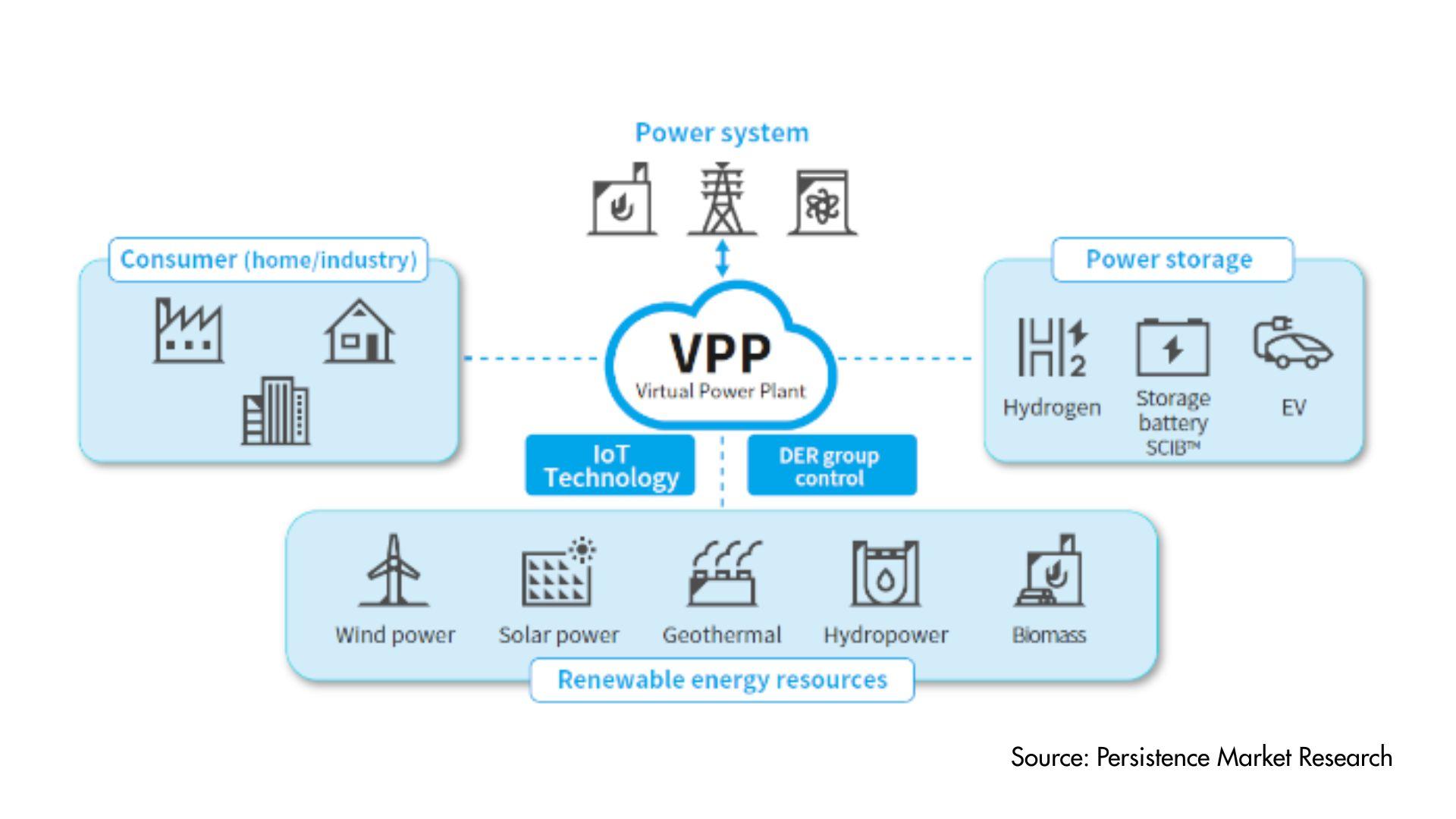
As the world shifts toward cleaner, smarter, and more decentralized energy systems, the concept of Virtual Power Plants (VPPs) is rapidly gaining traction. VPPs represent a modern approach to energy management, enabling the aggregation of distributed energy resources (DERs) such as solar panels, wind turbines, battery storage, electric vehicles, and demand response systems into a unified, digitally controlled network. By doing so, VPPs optimize power generation, enhance grid stability, and ensure cost-efficient energy distribution. As energy demands evolve and renewable sources continue to expand, the virtual power plant market is witnessing significant global growth backed by technological advancements and regulatory support.
Market Overview: A High-Growth Industry with Massive Potential
The virtual power plant market is experiencing remarkable expansion, fueled by the rising adoption of renewable energy, digital grid technologies, and distributed energy assets. According to the Persistence Market Research report, the global virtual power plant market is expected to increase from US$ 1.8 billion in 2024 to US$ 6.4 billion by the end of 2031. The market is poised to secure a strong compound annual growth rate (CAGR) of 20% during the forecast period from 2024 to 2031. This robust growth reflects the increasing need for flexible energy systems, growing grid modernization initiatives, and the acceleration of clean energy commitments worldwide.
What Is Driving the Rapid Growth of the Virtual Power Plant Market?
The rapid growth of the virtual power plant market is driven by a combination of technological innovation, rising renewable energy adoption, and the widespread deployment of distributed energy resources. VPPs enable utilities to better manage fluctuating renewable generation, reduce operational costs, and prevent grid instability. Additionally, growing investments in grid digitization, supportive government policies, and the demand for flexible energy solutions are propelling market expansion. With global electrification trends on the rise and industries prioritizing sustainability, VPPs have emerged as a key enabler for balancing supply and demand, optimizing energy storage, and ensuring more resilient power networks.
Understanding the Role of VPPs in the Modern Energy Landscape
Virtual power plants are redefining how electricity networks operate. Traditionally, power generation relied on centralized plants; however, with the arrival of renewable energy and DERs, power systems have become more complex and decentralized. VPPs bring order to this complexity by coordinating diverse energy resources through advanced software platforms. These platforms use real-time data, artificial intelligence, and predictive analytics to manage energy flows efficiently. As a result, VPPs help utilities maintain grid balance, minimize energy waste, and reduce dependence on fossil-fuel-based power plants. Their ability to integrate variable renewable energy seamlessly makes them essential for the transition toward a low-carbon future.
Key Growth Drivers: The Factors Fueling Market Expansion
Multiple factors are contributing to the accelerating growth of the virtual power plant market. One of the most significant is the sharp rise in renewable energy installations worldwide. As solar and wind power continue to expand, the need for flexible smart grid systems to accommodate variability becomes increasingly important. VPPs provide real-time balancing capabilities that help manage the intermittent nature of renewable energy.
Another major growth driver is the proliferation of advanced energy storage technologies. Batteries, particularly lithium-ion storage systems, have become more affordable and widely adopted across homes, industries, and utility networks. Energy storage plays a crucial role in VPP operations, enabling surplus energy to be stored and discharged during peak demand periods.
Moreover, regulatory support and clean energy mandates are encouraging utilities and enterprises to adopt efficient, digital energy management solutions. Government incentives for DER integration, carbon reduction targets, and investments in smart grid infrastructure also contribute to the increasing adoption of VPPs.
Applications Across Industries: Diverse Use Cases Fueling Market Adoption
Virtual power plants offer a wide range of applications across residential, commercial, and industrial sectors. In residential areas, smart homes equipped with rooftop solar, battery storage, and smart appliances can participate in VPP programs, earning incentives for contributing to grid stability. In commercial spaces such as malls, offices, and data centers, VPPs help optimize energy usage, reduce electricity costs, and support demand response initiatives during grid stress events.
Industrial users benefit significantly from VPPs through peak load management and energy cost savings. Large-scale facilities with backup generators, renewable installations, or storage systems can integrate these assets into virtual networks to balance energy supply and improve operational efficiency. Utilities also leverage VPPs to defer costly grid upgrades and manage distributed resources more effectively, making the model essential for future energy planning.
Technological Advancements: Driving Efficiency and Smart Operations
Technological innovation forms the backbone of virtual power plant development. Advances in artificial intelligence, machine learning, and Internet of Things (IoT) devices have enhanced the performance of VPPs by enabling real-time monitoring and predictive forecasting. These technologies allow VPPs to precisely predict energy demand, renewable output, and potential grid fluctuations.
Cloud-based platforms further simplify VPP operations by offering scalable solutions that can aggregate thousands of energy assets. Meanwhile, blockchain technology is emerging as a tool to secure energy transactions and improve the transparency of decentralized energy trading. These innovations collectively strengthen the value proposition of VPPs by increasing their reliability, efficiency, and accessibility.
Regional Insights: A Global Transformational Shift
Regionally, Europe remains a leading market for virtual power plants due to early adoption of clean energy technologies, stringent carbon reduction policies, and extensive smart grid deployments. Germany, the Netherlands, and the UK have pioneered major VPP projects that integrate residential solar, commercial DERs, and energy storage at scale.
North America follows closely, with the United States driving growth through rising renewable installations, grid modernization programs, and supportive energy regulations. States such as California and New York are leading in VPP innovation due to their aggressive sustainability targets.
The Asia Pacific region is emerging as a high-growth market, particularly in China, Japan, South Korea, and Australia. Rapid industrialization, increasing electricity demand, and rising investments in clean energy are fueling the adoption of VPP solutions. As energy markets in these countries transition toward decentralization, VPPs are expected to play a crucial role in supporting future grid infrastructure.
Challenges: Barriers Slowing Down Wider Adoption
Despite strong growth prospects, the VPP market faces several challenges. One major barrier is the complexity of integrating diverse DERs into a unified digital platform. Interoperability issues between devices, communication systems, and grid standards can hinder seamless integration. Additionally, cybersecurity remains a concern, as highly connected energy networks require robust digital protection.
Financial constraints can also affect VPP deployment, particularly in emerging markets where DER adoption is still growing. Regulatory inconsistencies across regions may further slow market expansion. Overcoming these challenges will require collaborative efforts between policymakers, energy providers, and technology developers.
Future Outlook: A Central Pillar of Tomorrow’s Energy Systems
Looking ahead, virtual power plants are set to become a cornerstone of future energy infrastructure. As electrification expands across transportation, heating, and industrial sectors, the demand for flexible and intelligent grid solutions will grow. VPPs offer unparalleled scalability and efficiency, making them ideal for managing future energy networks powered by decentralized, clean energy sources.
With advancements in AI-driven optimization, increased DER penetration, and continued government support, the global VPP market is poised for robust expansion. By 2031, VPPs will play a pivotal role in maintaining grid reliability, lowering energy costs, and enabling greener, smarter communities.
Conclusion: Virtual Power Plants Shaping the Future of Clean Energy
The virtual power plant market is transforming the global energy landscape by enabling efficient, flexible, and digitally optimized power systems. As renewable energy adoption grows and distributed energy assets surge, VPPs will be essential in ensuring long-term grid stability and sustainability. With the market projected to rise from US$1.8 billion in 2024 to US$6.4 billion by 2031 at a strong CAGR of 20%, the future holds tremendous opportunities for innovation, investment, and global expansion.
Explore the Latest Trending Research Reports:

 English
 Arabic
 French
 Spanish
 Portuguese
 Deutsch
 Turkish
 Dutch
Dutch
 Russian
 Romaian
 Portuguese (Brazil)
 Greek
Greek