


Shift Toward High-Speed Tunnel Car Wash Models Accelerating US Market Growth
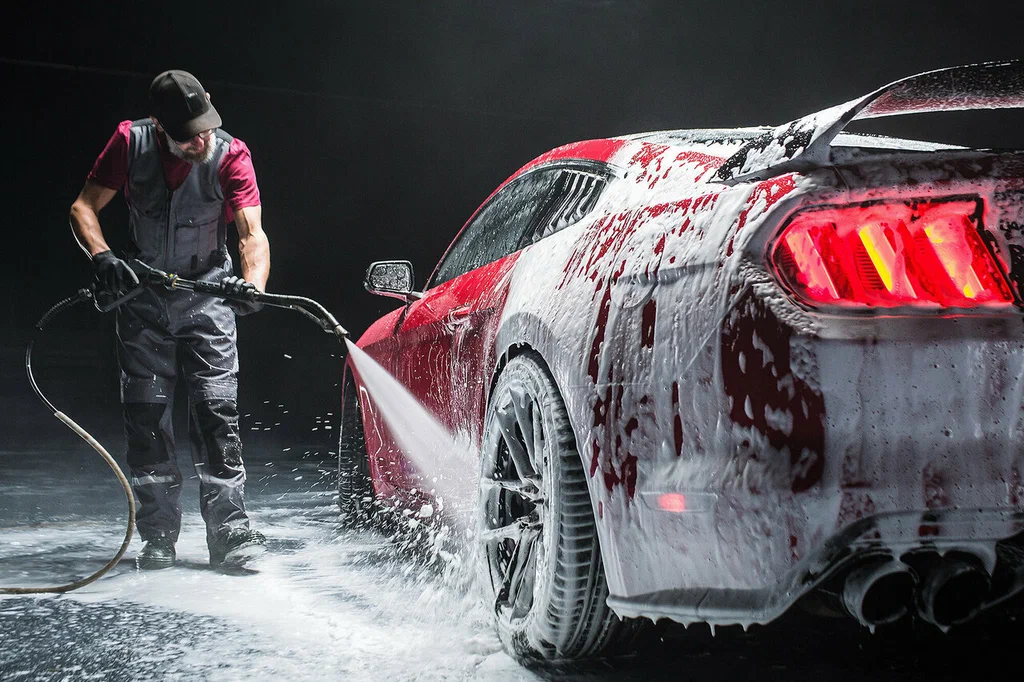
The US car wash market continues to gain momentum as consumer preferences increasingly shift toward professional, fast, and convenient automotive cleaning services. Valued at approximately US$14.9 billion in 2024, the industry is primed for sustained growth over the coming years. According to current projections, the market is expected to expand at a CAGR of about 5.8% from 2024 to 2031, ultimately reaching an estimated US$19.8 billion by the end of the forecast period. This growth trajectory reflects the transformative shift in consumer behavior, marked by heightened demand for value-added services, technology-enabled washing solutions, environmentally responsible processes, and subscription-based service models.
A combination of consumer trends and structural market developments is driving this steady rise. Convenience-oriented lifestyles, higher vehicle ownership, and growing awareness of vehicle maintenance benefits are accelerating the shift away from at-home washing in favor of professional services. Additionally, the increasing penetration of automatic and express car wash formats has streamlined the service delivery model, making car washing faster, more efficient, and more cost-effective for both operators and consumers. The rising importance of sustainability is another catalyst transforming the industry, as car wash facilities emphasize water conservation, biodegradable chemicals, and smart recycling systems to address regulatory requirements and consumer expectations.
Segmentation Analysis
By Type
In the US car wash industry, service type segmentation plays a crucial role in capturing the diverse needs of customers. The primary segments include automatic or in-bay car wash, conveyor or tunnel wash, and self-service car wash facilities. Among these, the conveyor/tunnel wash segment holds a prominent position and continues to dominate the market. Its robust growth stems from its ability to serve a high volume of cars in significantly less time, making it particularly attractive for urban and suburban regions where traffic density and time constraints are high. Tunnel washes also offer more extensive cleaning services, including waxing, polishing, and underbody cleaning, which further enhances their appeal.
The automatic or in-bay car wash segment, while slightly behind tunnel washes in terms of market share, remains a critical part of the ecosystem. This segment is particularly favored in fuel stations and standalone facilities due to its lower space requirements and rapid service delivery model. Meanwhile, the self-service car wash segment, although smaller, is witnessing renewed interest driven by cost-sensitive customers and those who prefer more control over the washing process. With technological upgrades and mobile-app-based payment systems, self-service stations are evolving from their traditional format to more interactive, user-friendly hubs.
By Vehicle/Product/Service Type
The market also segments itself based on vehicle type and the specific services offered. Passenger vehicles continue to represent the largest demand pool due to their widespread ownership across the country. The rise of premium passenger cars is further boosting the need for high-quality wash services that include detailing, polishing, ceramic coating, and multi-stage cleaning processes. The increasing adoption of services such as interior vacuuming, UV protection treatments, and advanced surface care solutions is also contributing to the market’s expansion.
Commercial vehicle washing is gaining traction as fleet operators, delivery services, ride-hailing companies, and logistics providers emphasize routine vehicle maintenance to extend asset life and uphold brand appearance. Fleet subscription plans, mobile washing units, and enterprise-level wash management tools are helping expand this segment. Growing demand for specialized cleaning of electric vehicles (EVs), which require careful handling due to sensitive electronic components, is also emerging as a niche opportunity that service providers are beginning to address.
By Propulsion, Technology, and Channel
As electric and hybrid vehicles move toward mainstream adoption in the US, the market is witnessing increased demand for EV-friendly wash systems. These vehicles require meticulous yet gentle cleaning technologies to avoid interference with battery casings, sensors, and charging ports. Automated washing technologies that rely on touchless systems, precision water jets, and sensor-guided spray arms are becoming more prevalent across EV-dominant regions. Subscription-based wash programs offered through mobile apps or digital kiosks have also become a vital channel for customer retention. These digital solutions enable seamless transactions, personalized service recommendations, and loyalty program integrations, enhancing the overall customer experience.
Technology plays an essential role in market segmentation as operators deploy advanced systems such as water recycling units, chemical dispensers, automated drying technologies, and eco-friendly wash materials. As digitalization increases, service providers are integrating cloud-based monitoring solutions, AI-driven equipment diagnostics, and real-time operational dashboards to boost efficiency and uptime.
Get Your FREE Sample Report Instantly Click Now: https://www.persistencemarketresearch.com/samples/34495
Regional Insights
The US car wash market exhibits strong performance across all major regions, with variations in adoption rates and market maturity. The South and West regions continue to hold the largest share of the market due to dense vehicle populations, favorable weather conditions for car wash operations, and high urbanization. States such as California, Texas, Florida, and Arizona dominate in terms of facility count and customer traffic.
Meanwhile, the Midwest region remains a steady performer owing to its combination of residential density and growing investments in automatic wash stations. The Northeast region, traditionally constrained by colder climates, is witnessing increasing installations of all-weather wash tunnels, which is helping sustain year-round operations.
However, the fastest-growing region is the Western United States, which is experiencing rapid expansion driven by strong consumer demand for sustainability-oriented services and the widespread adoption of digital-first wash models. The presence of numerous EV owners in states such as California and Washington is fueling the need for advanced wash facilities equipped with precision cleaning systems. Additionally, rising environmental regulations in the West are accelerating adoption of water-saving technologies, helping operators gain a competitive edge.
Unique Features and Innovations in the Market
Modern car wash facilities are integrating groundbreaking technologies that significantly elevate service efficiency, sustainability, and user experience. Innovations such as AI-enabled wash controllers, IoT-powered monitoring systems, and predictive maintenance technologies are enabling operators to anticipate equipment issues, reduce downtime, and optimize water and chemical usage. Smart sensors, auto-chemical mixing units, and high-pressure, touchless wash technologies also enhance service quality while minimizing operational complexity.
The use of 5G connectivity is streamlining the integration of cloud-based operational management systems, real-time analytics, and advanced customer engagement platforms. With high-speed data transfer, washing facilities can process large amounts of operational data instantly, helping them adjust service speed, manage peak-hour traffic, and personalize services with greater accuracy. Furthermore, automated systems that incorporate license plate recognition (LPR) technology are becoming increasingly popular, especially for subscription-based models that allow unlimited or discounted monthly wash plans.
Environmentally sustainable innovations are also shaping the landscape, with many facilities now outfitted with water recycling technologies, biodegradable detergents, and energy-efficient machinery. Solar-powered washing platforms are gaining interest as businesses shift toward cleaner energy solutions.
Market Highlights
The surge in adoption of professional car wash services is driven by multiple factors. The most prominent among them is the need for time-efficiency, as consumers prefer quick, reliable, and standardized wash services delivered through automated systems. Businesses are adopting these solutions to maintain aesthetic standards, improve vehicle longevity, and reduce the labor intensity associated with manual washing. Regulatory pressures, especially concerning wastewater disposal, chemical usage, and water consumption, have encouraged companies to invest in eco-efficient machinery.
Cost reduction remains a key priority, prompting operators to embrace technologies that reduce water usage, chemical waste, and electricity requirements. Sustainability initiatives, combined with rising consumer preference for environmentally conscious services, have reshaped the market’s operational framework.
Key Players and Competitive Landscape
The US car wash market is characterized by a competitive environment featuring numerous established operators and emerging regional players. Prominent companies include Mister Car Wash, Zips Car Wash, Quick Quack Car Wash, Go Car Wash, and Tommy’s Express. Each of these organizations employs its own strategic frameworks to maintain leadership and expand market reach.
Mister Car Wash continues to strengthen its nationwide presence through acquisitions and investments in express tunnel formats. Its focus on subscription-based membership programs has enabled strong customer loyalty and predictable revenue streams.
Zips Car Wash emphasizes multi-state expansion, with a focus on technologically advanced facilities and sustainability-led washing systems. Quick Quack Car Wash stands out for its competitive pricing strategies and rapid-service offerings, supported by energy-efficient, quick-dry technologies.
Tommy’s Express and Go Car Wash are both investing in high-growth markets, enhanced customer engagement tools, and large-scale tunnel systems designed to serve heavy traffic volumes. These companies continue to innovate through mobile platforms, loyalty programs, and operational automation.
Future Opportunities and Growth Prospects
The future of the US car wash market is shaped by evolving technology, regulatory developments, and shifting consumer expectations. Growing adoption of electric vehicles is creating a new segment that requires specialized service designs, while the rise of AI-powered diagnostics and automation presents opportunities for cost optimization and enhanced service delivery.
Sustainability regulations are likely to become more stringent, prompting operators to adopt water-efficient systems, eco-friendly chemicals, and renewable energy sources. Meanwhile, digitalization—from mobile payments to subscription models—will continue to redefine customer engagement and retention strategies. Operators that invest in advanced wash technologies, optimize operational processes, and expand through strategic acquisitions will be well-positioned to leverage the industry’s growth potential.
As consumer preferences evolve and environmental concerns take center stage, the US car wash market is set to remain on a strong upward trajectory through 2031, offering substantial opportunities for both existing players and new entrants.

 English
 Arabic
 French
 Spanish
 Portuguese
 Deutsch
 Turkish
 Dutch
Dutch
 Italiano
 Russian
 Romaian
 Greek
Greek