


Can All Tattoo Colors Be Removed with Lasers?
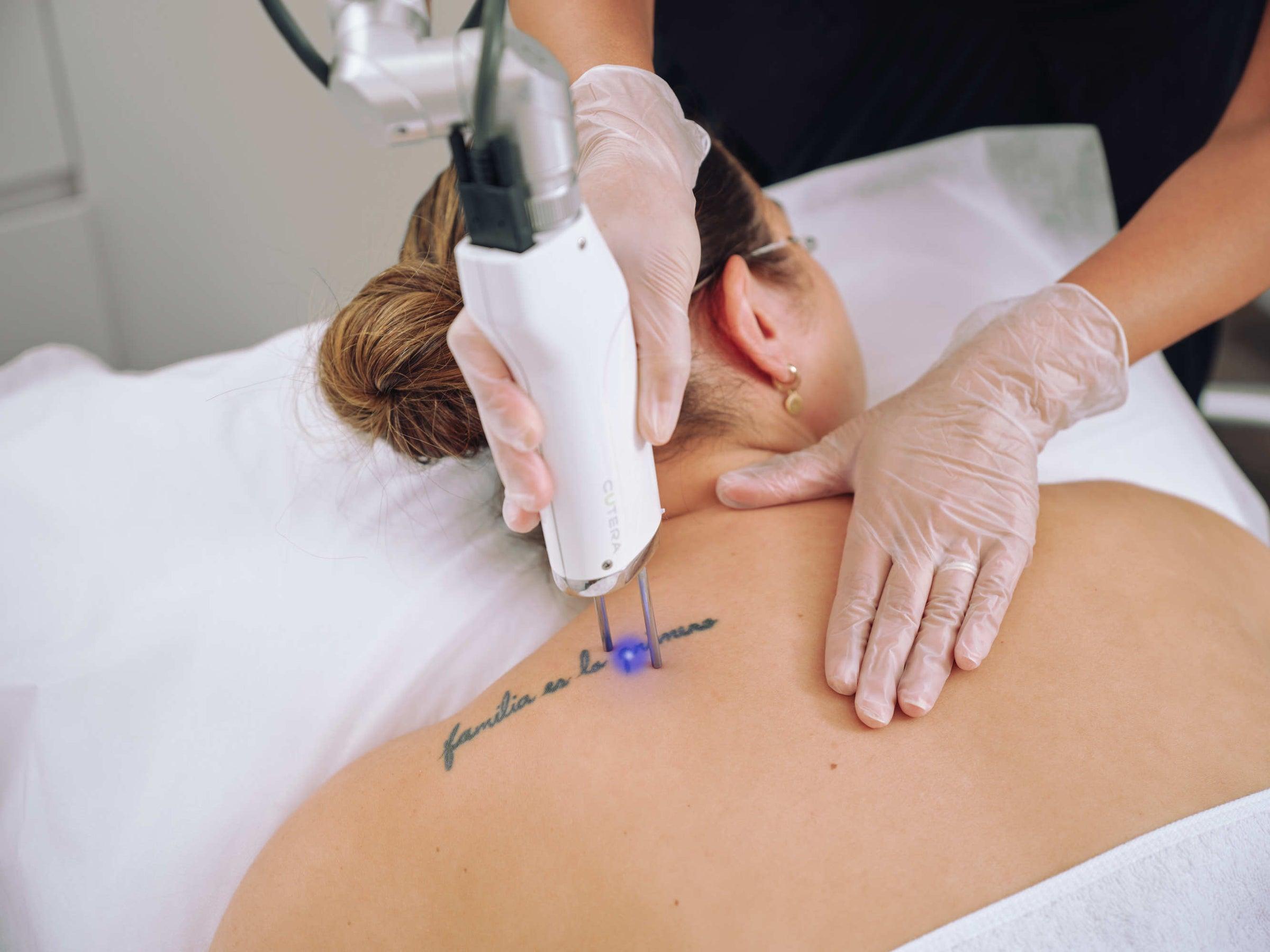
A common concern for anyone considering tattoo removal is whether all colors can be effectively treated. Modern Laser Tattoo Removal in Riyadh can remove most tattoo colors, but some shades respond better than others. Understanding how lasers target different pigments can help set realistic expectations and guide your treatment plan.
How Lasers Work on Tattoo Colors
Laser tattoo removal works by delivering specific wavelengths of light that are absorbed by ink particles. The energy breaks the pigment into smaller fragments, which the body naturally clears. Different colors absorb light differently, which determines how easily each pigment fades.
Tattoo Colors That Are Easiest to Remove
-
Black Ink: Absorbs nearly all wavelengths, making it the most responsive to laser removal.
-
Dark Blue Ink: Usually responds well to lasers, though it may require more sessions than black.
-
Red Ink: Can be removed effectively using specialized wavelengths, though it may require more sessions than darker shades.
These colors typically fade more quickly and require fewer treatments compared to lighter or pastel shades.
Tattoo Colors That Are More Challenging
-
Green Ink: Often resistant to standard lasers and may require advanced technology or multiple sessions.
-
Yellow Ink: One of the most stubborn pigments, often needing specialized lasers for effective removal.
-
Light Blue and Pastels: Require picosecond lasers or higher precision to achieve significant fading.
While challenging, these colors can still be faded or removed with patience, proper laser selection, and expert care.
Factors Influencing Color Removal
Several elements affect how effectively a tattoo color can be removed:
1. Tattoo Age
Older tattoos often fade faster, regardless of color, because ink particles have partially broken down over time.
2. Ink Density
Heavily saturated tattoos, even in easier-to-remove colors, require more sessions for complete fading.
3. Skin Type
Laser settings must be adjusted for different skin tones to prevent pigmentation changes, which can impact how colors respond.
4. Laser Technology
Advanced lasers, especially picosecond devices, improve results for stubborn colors by delivering ultra-short pulses that break ink particles more efficiently.
Multiple Sessions Are Necessary
Even for colors that respond well, multiple sessions spaced 6–8 weeks apart are essential. Gradual fading allows the body to safely clear ink fragments while reducing the risk of skin damage.
Aftercare for Colorful Tattoos
Proper care after each session improves results for all colors:
-
Keep the treated area clean and moisturized
-
Avoid sun exposure or tanning beds
-
Refrain from scratching, picking, or rubbing the area
-
Follow any specific instructions provided by your specialist
Good aftercare supports the body’s natural healing and removal processes.
Realistic Expectations
While lasers can remove most tattoo colors, some very light or pastel shades may never disappear entirely. Fading may be significant, but faint traces can sometimes remain. Consulting a professional helps you understand the likely outcome based on your tattoo’s colors and design.
Conclusion
Most tattoo colors can be effectively treated with laser removal, but results vary by shade. Black and dark pigments fade more easily, while pastel and light colors may require advanced lasers and multiple sessions. With modern technology and professional guidance, significant fading or removal is achievable. For residents in Riyadh seeking safe and effective tattoo removal for all colors, Enfield Royal Clinic provides expert care using advanced laser systems tailored to each patient’s needs.

 English
 Arabic
 French
 Spanish
 Portuguese
 Deutsch
 Turkish
 Dutch
Dutch
 Italiano
 Russian
 Portuguese (Brazil)
 Greek
Greek