


How to Retrofit Your Home for Maximum Energy Efficiency in Any Climate
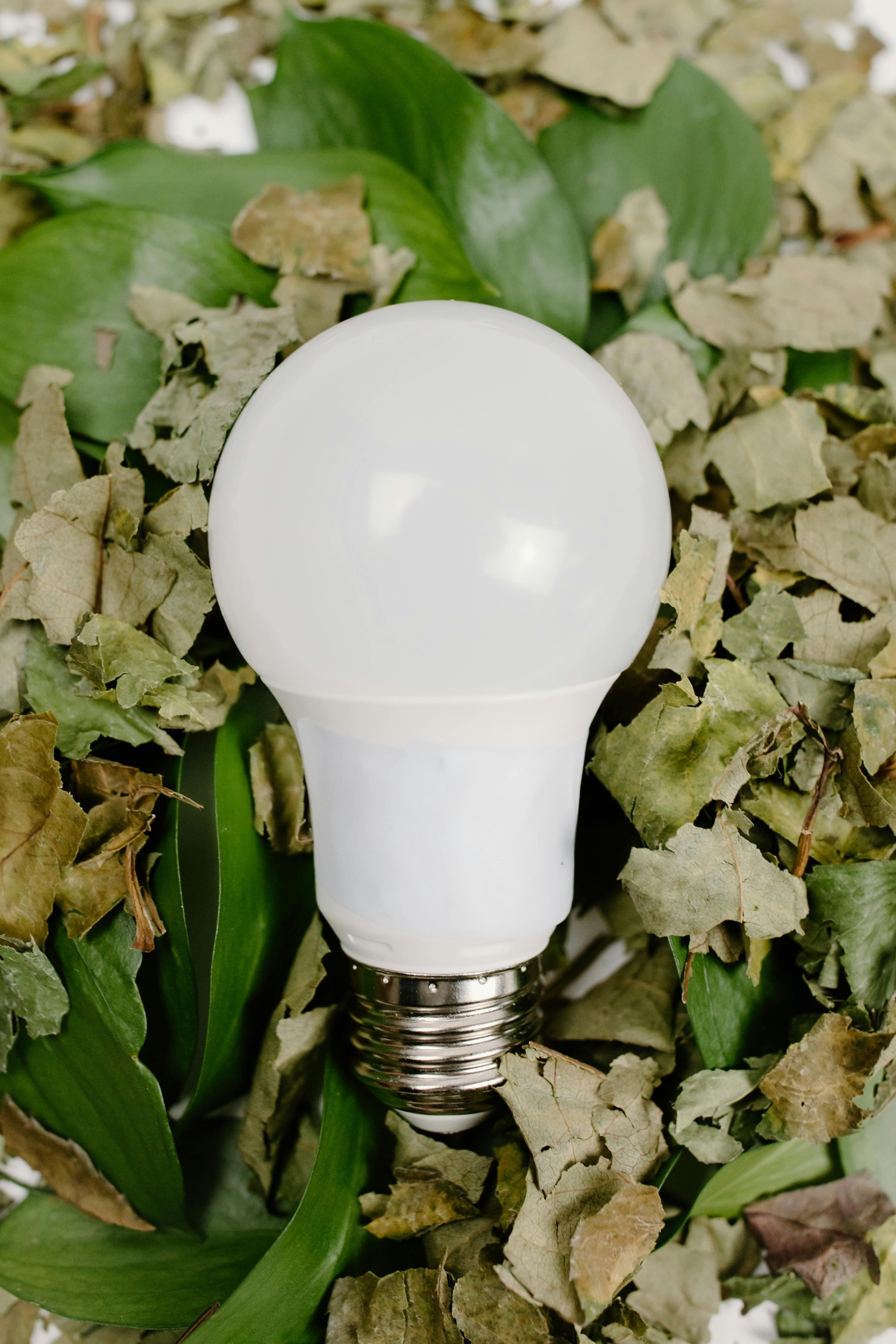
Retrofitting your home for energy efficiency is no longer just an eco-friendly choice—it’s a smart investment in comfort, savings, and sustainability. With rising energy costs and increased environmental awareness, homeowners are exploring Energy-efficient upgrades to reduce utility bills while creating a more comfortable living space. Whether you live in a cold northern climate, a humid southern region, or somewhere in between, strategic retrofits can make a significant difference.
Understanding Home Energy Retrofits
Home retrofitting involves making modifications to existing structures to improve energy performance. Unlike new construction, retrofitting requires careful assessment of your home’s current energy use, insulation, and mechanical systems. The goal is to reduce energy waste while maintaining comfort year-round. Incorporating Energy-efficient upgrades such as improved insulation, modern windows, and efficient heating and cooling systems can help your home perform optimally in any climate.
Conducting an Energy Audit
Before starting any retrofitting project, it’s crucial to conduct a thorough energy audit. A professional energy audit identifies areas of energy loss, such as poorly sealed windows, air leaks, outdated HVAC systems, and inadequate insulation. By pinpointing inefficiencies, homeowners can prioritize the most impactful Energy-efficient upgrades. Even small improvements, like sealing gaps or adding weatherstripping, can yield significant energy savings over time.
Enhancing Insulation for Year-Round Comfort
Proper insulation is one of the most effective ways to reduce energy consumption. In colder climates, insulating attics, walls, and floors prevents heat from escaping, reducing the load on heating systems. In warmer climates, insulation helps keep interiors cool by minimizing heat gain. When planning Energy-efficient upgrades, consider modern insulation materials that offer high R-values, air sealing properties, and long-term durability to maximize energy savings.
Upgrading Windows and Doors
Windows and doors are often significant sources of energy loss. Single-pane windows or poorly sealed doors allow heat to escape in the winter and enter in the summer. Replacing them with double or triple-pane windows featuring low-emissivity (Low-E) coatings is a crucial Energy-efficient upgrade. Additionally, ensuring doors are properly weatherstripped and insulated helps maintain indoor temperatures and reduces reliance on heating and cooling systems.
Improving Heating and Cooling Systems
Efficient HVAC systems are at the heart of energy-conscious retrofits. Older furnaces, air conditioners, or heat pumps may operate inefficiently, consuming excessive energy. Upgrading to modern, high-efficiency models or incorporating programmable thermostats can drastically reduce energy usage. Such Energy-efficient upgrades not only lower monthly utility bills but also enhance comfort by providing consistent temperatures throughout the home.
Incorporating Renewable Energy Solutions
For homeowners looking to take energy efficiency to the next level, integrating renewable energy systems is an excellent option. Solar panels, solar water heaters, and geothermal systems can complement traditional heating and cooling methods, significantly reducing dependence on fossil fuels. Combining these technologies with other Energy-efficient upgrades allows homeowners to achieve a more sustainable and self-sufficient household.
Optimizing Lighting and Appliances
Lighting and appliances account for a substantial portion of household energy consumption. Retrofitting homes with LED lighting, energy-efficient refrigerators, washers, dryers, and dishwashers can significantly reduce electricity usage. Upgrading to ENERGY STAR-rated appliances ensures optimal performance with minimal energy waste. These simple but effective Energy-efficient upgrades provide long-term savings and contribute to a greener lifestyle.
Managing Water Heating and Usage
Water heating is another key area where energy retrofits make a difference. Older water heaters often lose heat quickly or operate inefficiently. Installing high-efficiency water heaters, tankless systems, or incorporating solar water heating are effective Energy-efficient upgrades. Additionally, using low-flow faucets and showerheads reduces water and energy consumption simultaneously, helping homeowners save on utility bills while preserving natural resources.
Sealing Air Leaks and Improving Ventilation
Even the best insulation and HVAC systems cannot perform optimally if air leaks compromise your home’s envelope. Gaps around windows, doors, vents, and attic hatches allow conditioned air to escape and unconditioned air to enter. Properly sealing these leaks and improving ventilation systems is a critical Energy-efficient upgrade. Enhanced ventilation also improves indoor air quality, creating a healthier living environment.
Tailoring Retrofits to Your Climate
Effective retrofitting requires climate-specific strategies. In cold regions, focus on maximizing insulation, upgrading heating systems, and reducing heat loss through windows and doors. In hot or humid climates, prioritize reflective roofing materials, shaded windows, and high-efficiency cooling systems. Regardless of location, a combination of smart Energy-efficient upgrades can be adapted to meet the unique needs of your climate, ensuring optimal energy savings.
Monitoring and Maintaining Upgrades
Once retrofits are complete, ongoing monitoring and maintenance are crucial for long-term efficiency. Regularly checking HVAC systems, inspecting insulation, and maintaining appliances ensures that your Energy-efficient upgrades continue to deliver savings year after year. Smart home devices and energy monitoring systems can provide valuable insights into usage patterns, helping homeowners adjust habits and maximize the benefits of their retrofits.
The Benefits of Energy-Efficient Retrofits
Retrofitting your home for energy efficiency offers multiple benefits. Reduced utility bills, increased comfort, improved indoor air quality, and a lower carbon footprint are among the most significant advantages. Additionally, many retrofits, such as solar panels or high-efficiency HVAC systems, can increase the overall value of your home. By investing in Energy-efficient upgrades, homeowners create a sustainable living environment that pays off financially and environmentally.
Trusty USA: Your Partner in Energy-Efficient Upgrades
For homeowners seeking professional guidance and quality implementation of Energy-efficient upgrades, Trusty USA offers comprehensive solutions tailored to every climate and budget. Their team of experts ensures each retrofit maximizes energy savings, comfort, and long-term sustainability. By combining innovative technology with proven strategies, Trusty USA helps homeowners transform their properties into models of efficiency.
Conclusion
Retrofitting your home for maximum energy efficiency is a strategic way to save money, reduce environmental impact, and enjoy year-round comfort. By focusing on insulation, windows, HVAC systems, lighting, water heating, and smart home integration, homeowners can achieve significant improvements regardless of their climate. Incorporating Energy-efficient upgrades with the guidance of experts like Trusty USA ensures your home is prepared for the future—comfortable, cost-effective, and environmentally responsible.

 Arabic
 French
 Spanish
 Portuguese
 Deutsch
 Turkish
 Dutch
Dutch
 Italiano
 Russian
 Romaian
 Portuguese (Brazil)
 Greek
Greek