


Commercial Roof Maintenance Checklist for Facility Managers
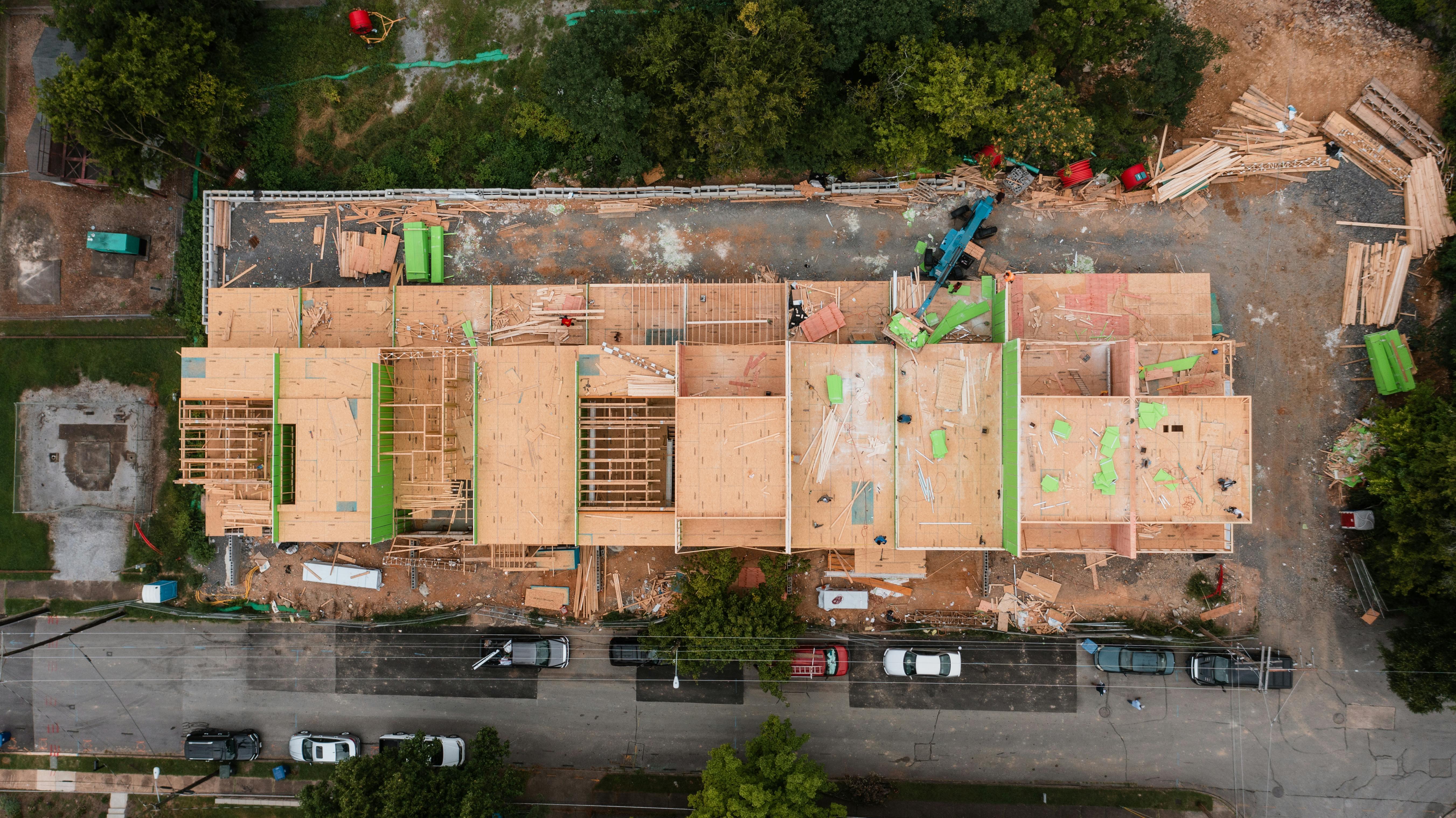
Maintaining a commercial roof is essential for any facility manager who wants to protect their investment, extend the lifespan of the building, and prevent costly repairs. Commercial roofing systems are designed to withstand harsh weather and heavy use, but even the best materials need regular inspections and maintenance to perform at their peak. Without proper attention, small issues can quickly escalate into major problems that disrupt operations and inflate repair costs.
A proactive approach to commercial roof maintenance allows facility managers to identify potential issues early. From leaks to structural weaknesses, routine inspections help ensure that a roof remains reliable year after year. A well-maintained commercial roof not only safeguards the building but also contributes to energy efficiency, reduces insurance claims, and enhances the overall value of the property.
Understanding Commercial Roofing Systems
Before diving into a maintenance checklist, it’s crucial to understand the type of commercial roofing systems your facility uses. Commercial roofs come in several varieties, including flat, low-slope, and metal systems, each with unique characteristics and maintenance needs. Flat roofs, often made of TPO, EPDM, or PVC materials, require vigilant monitoring for ponding water and membrane damage. Metal roofing systems, while durable, must be inspected for corrosion, loose panels, and sealant wear. Understanding the construction and material type of your roof is the first step toward creating an effective maintenance plan.
Knowing your commercial roofing system’s specifications will also help you determine the correct repair procedures and maintenance schedule. Facility managers should maintain documentation of installation details, warranties, and previous repair records to guide inspections and anticipate future maintenance needs.
Routine Inspections and Visual Assessments
Regular inspections are the cornerstone of a robust commercial roof maintenance strategy. Facility managers should conduct visual assessments at least twice a year, ideally in the spring and fall, as well as after any major weather events such as storms, hail, or heavy snowfall. During inspections, it is important to examine the roof surface for cracks, punctures, or blisters in the membrane. Pay close attention to seams, flashing, and roof edges, as these are common areas for leaks to develop.
Checking drainage systems, including gutters and downspouts, is another critical component of routine inspections. Blockages can lead to standing water, which may damage roofing materials over time. Additionally, look for signs of rust, loose fasteners, or deteriorated sealants in metal roofing systems. Documenting all findings allows facility managers to track changes over time and address minor issues before they escalate.
Cleaning and Debris Removal
Maintaining a clean roof surface is essential for prolonging the lifespan of commercial roofing systems. Accumulated debris, such as leaves, branches, or dirt, can obstruct drainage pathways, causing water to pool and weaken roofing materials. Facility managers should schedule regular cleaning sessions to remove debris, ensuring that drains and scuppers remain clear. Even small amounts of debris can trap moisture against the roofing membrane, promoting mold growth and premature deterioration.
Cleaning should be done carefully to avoid damaging sensitive surfaces. Use soft-bristle brooms, low-pressure water, or specialized cleaning agents approved for your specific roofing material. Avoid sharp tools or high-pressure washers that can compromise the integrity of the roof membrane. Maintaining cleanliness not only protects the roof but also reduces the risk of slip hazards for maintenance personnel.
Inspecting Flashing, Seals, and Roof Penetrations
Flashing and seals around roof penetrations are common failure points in commercial roofing systems. Facility managers should routinely inspect areas around HVAC units, vents, skylights, and rooftop equipment for signs of wear, cracks, or gaps. Properly functioning flashing and seals prevent water from seeping into the building, reducing the likelihood of interior damage, mold growth, and structural issues.
Any deterioration should be addressed promptly. In some cases, resealing or replacing damaged flashing can prevent more costly repairs down the line. Maintaining a detailed log of all flashing inspections and repairs ensures a proactive approach and keeps the roof in optimal condition.
Addressing Roof Membrane Issues
Roof membranes are critical components of many commercial roofing systems, providing a waterproof barrier and protecting the building from environmental exposure. Facility managers should inspect the membrane for blisters, punctures, or seams that have separated. Even minor damage can compromise the roof’s effectiveness, leading to leaks and structural issues.
In addition to visual inspections, consider performing periodic moisture tests to detect hidden water accumulation beneath the membrane. Addressing these issues early with professional repair or patching can extend the roof’s service life and prevent more extensive damage.
Managing Vegetation and Roof Growth
Commercial roofs, especially flat ones, can accumulate moss, algae, or weeds over time. These growths not only damage roofing materials but can also obstruct drainage systems and increase maintenance costs. Facility managers should monitor rooftop vegetation and remove it promptly using methods safe for the roofing material. Preventive treatments or coatings can also inhibit future growth and reduce maintenance frequency.
Keeping vegetation under control is especially important in regions with high rainfall or humidity, where growth can be rapid. Regular monitoring ensures that minor infestations do not become major problems requiring expensive repairs.
Maintaining Roof Drainage Systems
Proper drainage is essential for the longevity of commercial roofing systems. Water accumulation can accelerate wear and lead to leaks or structural stress. Facility managers should inspect gutters, downspouts, and internal drains to ensure they are free of blockages and functioning correctly.
Periodic cleaning and maintenance of drainage systems prevent water from pooling on the roof surface. In addition, check for sagging gutters, misaligned drains, or corrosion that may impede water flow. A well-maintained drainage system protects both the roof and the building’s interior from water damage.
Scheduling Professional Inspections and Repairs
While routine maintenance can be handled internally, professional inspections provide an added layer of security. Certified roofing contractors have the expertise and equipment to identify hidden issues that may go unnoticed during visual inspections. Facility managers should schedule professional evaluations at least once a year, or more frequently for older roofs or those exposed to extreme weather conditions.
Professional contractors can also perform necessary repairs, apply protective coatings, and ensure compliance with manufacturer warranties. By integrating professional services into a maintenance plan, facility managers can maximize the lifespan and performance of commercial roofing systems.
Creating a Maintenance Log and Plan
An organized maintenance log is essential for effective commercial roof management. Documenting inspection dates, identified issues, repairs performed, and contractor information helps facility managers track the roof’s condition over time. A well-maintained log allows for informed decision-making, better budgeting for repairs, and easier warranty claims if needed.
Establishing a formal maintenance plan that includes routine inspections, cleaning, repairs, and professional evaluations ensures that all aspects of the roof are systematically monitored. Facility managers can use this plan to allocate resources efficiently, reduce emergency repairs, and extend the life of their commercial roofing systems.
Energy Efficiency and Roof Upgrades
Maintaining a commercial roof is not only about preventing leaks and damage but also about optimizing energy efficiency. Reflective coatings, insulation improvements, and roof upgrades can reduce heat absorption, lower cooling costs, and improve overall building performance. Facility managers should evaluate opportunities to enhance energy efficiency during routine inspections or when performing major maintenance.
Investing in energy-efficient solutions not only reduces operational costs but also contributes to sustainability goals, a growing priority for many commercial properties.
Conclusion
Commercial roof maintenance is a critical responsibility for facility managers who want to protect their buildings and investments. By understanding the specific needs of commercial roofing systems, performing regular inspections, addressing minor issues early, and maintaining thorough documentation, facility managers can prevent costly repairs and extend the life of their roofs.
Partnering with professional roofing contractors ensures that maintenance is performed correctly and efficiently. At Action Roofing and Restoration, we specialize in comprehensive commercial roof maintenance services that keep buildings safe, energy-efficient, and structurally sound. Our expertise with commercial roofing systems allows facility managers to focus on operations while we handle the roof with care and precision.

 English
 Arabic
 French
 Spanish
 Portuguese
 Deutsch
 Turkish
 Dutch
Dutch
 Italiano
 Romaian
 Portuguese (Brazil)
 Greek
Greek